
Stallholder looking to make flavour and presentation stand out
Wants to offer Dutch breakfast cake as an extra treat and has time to slice an uncut option, for example one with ginger or pearl sugar crystals.


Choose an uncut Dutch breakfast cake with a distinctive flavour when presentation alongside oliebollen is the priority and you have time to slice it yourself. For busy serving periods, a sliced or individually wrapped option is more practical. Wholemeal, organic and no added sugar are separate reasons to choose a product, not proof of a more luxurious flavour. Check the current ingredients and allergen information for each variant, especially if you sell individual slices.
Wants to offer Dutch breakfast cake as an extra treat and has time to slice an uncut option, for example one with ginger or pearl sugar crystals.
Wants to prepare portions in advance and spend as little time as possible slicing during service. Sliced cake or individually wrapped portions suit this way of working.
Wants to consider wholemeal or organic Dutch breakfast cake, or an option with no added sugar, alongside a flavoured variety. Ingredients and allergens still need to be checked for each product.
First decide whether the Dutch breakfast cake should stand out in your display, be quick to serve or offer a distinct product choice. Then check the packaging and product information for the variant you plan to sell.
| What to consider | What to check when buying | Who it matters to |
|---|---|---|
| Flavour and presentation | Check the flavouring and whether you can cut an uncut cake into even slices yourself. | If Dutch breakfast cake is to be a treat on display alongside oliebollen, I want the flavour choice to be clear and the slicing to fit my way of working. For around 42% of consumers, this difference in flavour and presentation matters most. |
| Serving and portions | Check whether the cake is sliced or individually wrapped, and how much preparation the format you choose requires. | During a busy spell, I want to serve portions without having to slice each one. Around 33% of consumers prioritise quick service above all else. |
| A distinct product choice | Compare wholemeal, organic and no added sugar as separate features; check the ingredients and allergens for each variant. | I want to be able to offer customers who ask for a specific feature a clearly described alternative, without making assumptions about its nutritional value or allergens. For around 25% of consumers, this distinct choice comes first. |
Ginger, pearl sugar crystals or honey caramel describe a flavour variant, but in themselves say nothing about sugars, fibre or allergens.
Choose a flavour to suit the presentation you want, and check the label of the exact variant for nutritional and allergen information.
An uncut cake needs slicing; sliced cake and individually wrapped portions affect how you prepare for service.
Compare the formats based on the portions you want to sell, the preparation required and how you plan to serve them.
When selling unpackaged food, customers must be able to get information about any allergens present before they buy. The Netherlands Food and Consumer Product Safety Authority says that, for cereals containing gluten and nuts, you must also name the specific cereal or nut.
Keep information for the exact product variant available at the point of sale, and make sure staff can direct customers to it before they buy.
Keeping this information up to date and briefing staff takes extra work.
The Netherlands Nutrition Centre discusses bread as a source of iodine; that does not mean a particular Dutch breakfast cake contains iodine.
Do not make claims about iodine in Dutch breakfast cake without product-specific evidence.
The Dutch breakfast cake range includes different formats and flavours, making it easy to compare presentation and serving options.
A range that lets you compare uncut Dutch breakfast cake with a distinctive flavour against sliced wholemeal Dutch breakfast cake.
An organic plain Dutch breakfast cake for anyone looking to offer an organic option, rather than necessarily a distinctive flavour.
These products are worth considering if you want to offer Dutch breakfast cake as an additional option and plan how you will serve it. The sliced variant needs no preparation to divide it into slices; for the other option, check whether it is individually wrapped before assuming the portions are ready to serve.
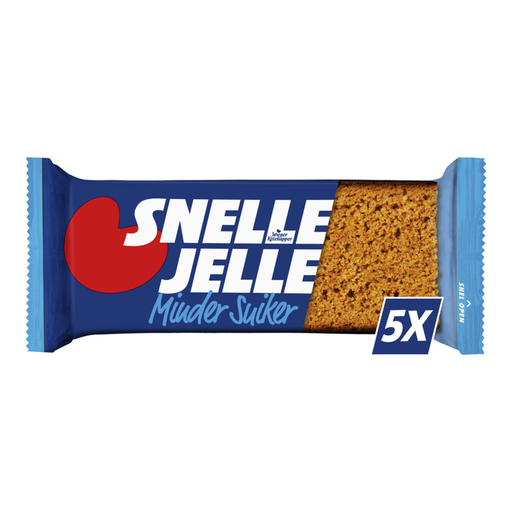 Image unavailable
An option to consider if you are looking for a flavoured treat to take away. Check how it is packaged before planning your service around it. The words Less Sugar-Free in the product name do not prove that the cake is sugar-free; check the current nutritional information, including sugars per 100 g, and check the allergens.
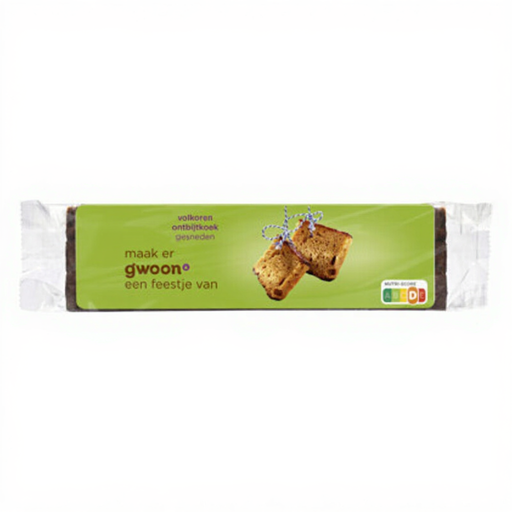 Image unavailable
The sliced format is useful if you want to serve slices without cutting the cake yourself. Wholemeal is a distinct product feature, not proof of a more luxurious flavour. Carefully check the current label and allergen information before selling the slices unpackaged.
Choose uncut Dutch breakfast cake if you want to control the thickness of the slices and the presentation, and slicing fits the way your stall operates. Sliced cake is more practical when you want to serve slices during busy periods without that extra preparation.
When selling unpackaged food, information about any allergens present must be available before purchase. The Netherlands Food and Consumer Product Safety Authority says you must tell customers about the relevant allergens and, for cereals containing gluten and nuts, name the specific cereal or nut. Use the current information for the exact Dutch breakfast cake you are selling.
No. Wholemeal and organic describe product features other than flavour or presentation. Also consider the variant, portion format, ingredients and allergens when deciding how it fits your stall; an organic product is not automatically allergen-free.
No. Information about baker’s salt in bread does not support an iodine claim for a specific Dutch breakfast cake. Check the product information or ask the supplier for product-specific evidence before making a claim.