
Runners who are mindful of their stomach before setting off
You’re looking for a mealtime and portion size you can tolerate while running. The Netherlands Nutrition Centre advises against large portions and high-fibre foods just before exercise.


Sourdough is not a proven requirement when choosing Dutch breakfast cake for marathon training. Focus on when you eat it, the carbohydrates and fibre per serving, the ingredients and what you can tolerate during training. According to the Netherlands Nutrition Centre, an average slice of Dutch breakfast cake contains 20,8 g of carbohydrates per 30 g; the figures for a specific product may differ.
You’re looking for a mealtime and portion size you can tolerate while running. The Netherlands Nutrition Centre advises against large portions and high-fibre foods just before exercise.
You want to use the nutritional information for a slice to plan when you eat. The Netherlands Nutrition Centre notes that carbohydrates are an important consideration for people who do a lot of endurance sport.
You check the ingredients and allergen information for the product you’re actually buying. Rye contains gluten; making Dutch breakfast cake with sourdough does not automatically make it gluten-free, according to the Netherlands Nutrition Centre’s allergen information.
First decide when you want to eat the Dutch breakfast cake, then compare the nutritional values per serving. The Netherlands Nutrition Centre recommends having a meal around 2 to 3 hours before exercise and advises against large or high-fibre portions just before you work out.
| What to consider | What to check when buying | Who it matters to |
|---|---|---|
| Mealtime and tolerance | Check the serving size and fibre per serving; try eating it at your chosen time during a training session. | If I eat shortly before running, I want to choose a portion I can tolerate. For around 40% of consumers, mealtime and tolerance come first. |
| Carbohydrates and portions | Compare the carbohydrates per slice or bar and check how much that portion weighs. | To plan what I eat around training, I want to know how many carbohydrates are in my usual portion; for around 40% of consumers, portion planning is the top priority. |
| Ingredients and allergens | Read the current ingredients list and allergen information, especially if you need to limit gluten. | If I need to avoid certain ingredients, I don’t want to rely on the product name alone. Checking ingredients comes first for around 20% of consumers. |
The way a product is made doesn’t, by itself, tell you how many carbohydrates or how much fibre you’ll get per serving, nor does it prove that it offers a benefit for marathon training.
If sourdough matters to you for its flavour or how it’s made, check that it appears on the ingredients list. Also use the label and your planned mealtime to compare products.
The Netherlands Nutrition Centre warns that large portions and high-fibre foods just before exercise can cause gastrointestinal discomfort. For example, Peijnenburg lists 4,7 g of fibre per 28 g slice for its plain variety with no added sugars.
Compare the fibre per serving and try your chosen product, portion size and mealtime during training first.
According to the Netherlands Nutrition Centre, rye is a gluten-containing grain. The way a product is made does not turn its name into reliable allergen information.
If you need to limit gluten, check the packaging and only choose a product explicitly labelled gluten-free if that’s what you need.
Albert Heijn and PLUS point out that ingredients, nutritional values and allergen information can change. The packaging on your current purchase may therefore differ from information you looked at earlier.
When buying again, check the ingredients, allergens and nutritional information on the packaging.
The range includes wholemeal, individually wrapped and no-added-sugar varieties of Dutch breakfast cake, among others.
The range includes regular Dutch breakfast cake and a breakfast cake bar explicitly labelled gluten-free.
The Dutch breakfast cake category includes wholemeal, lower-sugar and gluten-free product types, among others.
Lidl lists a Zero variety of Dutch breakfast cake, among other products.
The Dutch breakfast cake range includes both own-brand products and products from Peijnenburg.
This sliced wholemeal Dutch breakfast cake is worth considering when comparing portions for a planned mealtime around training. Check the packaging to see how much a slice weighs and when you might find that portion comfortable to eat; the product name does not confirm that it’s made with sourdough.
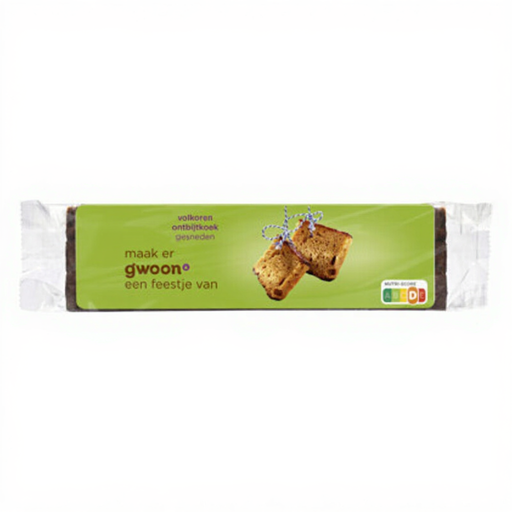 Image unavailable
For anyone who wants to factor sliced Dutch breakfast cake into their plans for mealtimes around training.
Pack size: 485 g. Before choosing a portion, check the packaging for the weight per slice and the carbohydrates and fibre per serving.
Rye is listed in the ingredients, which conflicts with a general allergen statement. If you need to limit gluten, check the current ingredients and allergen information on the packaging. If you’re specifically looking for sourdough, don’t rely on the product name alone.
No, sourdough is not a proven requirement when making this choice. Assess Dutch breakfast cake based on when you eat it, the nutritional information per serving, the ingredients and what you can tolerate during training, rather than assuming the name of a preparation method means it offers a sporting benefit.
Whether you’ll find that comfortable depends on the portion, when you eat it and how well you tolerate it. The Netherlands Nutrition Centre recommends having a meal around 2 to 3 hours before exercise and advises against large or high-fibre portions just before you work out. Try your chosen Dutch breakfast cake during training first.
No, according to the Netherlands Nutrition Centre, rye is a gluten-containing grain. If you need to limit gluten, read the current ingredients and allergen information and, if you need a gluten-free product, choose one that is explicitly labelled as such.
Compare the same information both per 100 g and per serving, especially carbohydrates and fibre, and check how much a slice actually weighs. This makes it easier to see the difference between a larger slice and a different product composition; also check the current ingredients and allergens on the packaging.
No, the rule described by the Netherlands Food and Consumer Product Safety Authority does not impose a general requirement on every Dutch breakfast cake. It sets out the conditions under which iodine compounds may be present in bread, bread substitutes and other bakery products: through baker’s salt containing no more than 65 mg of iodine per kg of salt. Check the ingredients list if the composition matters to your choice.