
Organisers who need to verify Fairtrade cocoa
You want to use chocolate or cocoa for the school fair and be able to say exactly which product the Fairtrade claim applies to, without attributing it to the Dutch breakfast cake as well.


Choose your Dutch breakfast cake and any Fairtrade chocolate as two separate products: a Fairtrade claim for the chocolate does not automatically apply to the cake. Before buying, decide whether you’ll sell the cake packaged or loose, so you can check the allergen information and school policy accordingly. Individually wrapped slices can make serving easier, but they say nothing about the cake’s Fairtrade status.
You want to use chocolate or cocoa for the school fair and be able to say exactly which product the Fairtrade claim applies to, without attributing it to the Dutch breakfast cake as well.
You’re selling packaged or loose portions to children and parents. You need to be able to share the information for your chosen cake and any chocolate, including relevant warnings on the packaging.
You’re looking for a Dutch breakfast cake that requires little cutting or wrapping. For example, Peijnenburg describes its Naturel 10-pack as containing ten individually wrapped 28 g slices; the packaging alone does not prove Fairtrade status.
First, decide whether Fairtrade certification is a requirement for the cake itself or just for the chocolate you add. Then check the allergen information and choose a portion format that suits the way you’ll sell it.
| What to consider | What to check when buying | Who it matters to |
|---|---|---|
| Fairtrade claim | Check exactly which product and ingredients the claim applies to. A claim for chocolate or cocoa does not automatically apply to the Dutch breakfast cake. | If I add chocolate, I want to be able to explain which ingredient carries the Fairtrade claim. Around 40% of consumers prioritise being able to verify this. |
| Allergen information | Read the ingredients and warnings for both products, and make sure your selling arrangements comply with school policy. According to the Netherlands Food and Consumer Product Safety Authority, allergen information must be available when selling unpackaged food. | When selling loose portions, I want to be able to tell parents which allergens may be present before they buy. For around 40% of consumers, this is their main concern. |
| Portions and serving | Check the number of portions, the weight per portion and whether they’re individually wrapped. If you’re wrapping them yourself, find out how you’ll keep the product information available. | When serving at a busy stall, I want to minimise cutting and extra wrapping. Around 20% of consumers prioritise ease of serving. |
A claim for a chocolate bar doesn’t confirm that the Dutch breakfast cake you’re using is Fairtrade-certified. A retailer’s general statement about cocoa in its own-brand products doesn’t certify every individual cake either.
Describe the product as Dutch breakfast cake with Fairtrade chocolate only if the chocolate you’re using carries that claim. Check the cake separately if Fairtrade certification for the main product is a requirement.
Allergen information must be available to customers when selling unpackaged food. If you throw away the outer packaging, customers can no longer check the information directly alongside the portions.
Keep the original packaging at your stall and prepare a clear ingredients and allergen card for each product on offer.
Preparing cards and keeping products separate takes extra planning.
Peijnenburg’s Naturel 10-pack may contain, among other things, milk and nuts. The extra-dark chocolate bar described by Albert Heijn also carries warnings about possible allergens.
Read the warnings on the packaging of the products you’ll actually be using, and check before buying which products are suitable under the school’s allergen policy.
An example to consider if you’re looking for individually wrapped slices of Dutch breakfast cake.
One option for buying chocolate as a separate ingredient to use with Dutch breakfast cake.
A retailer to browse for Fairtrade cocoa or chocolate sprinkles as a separate ingredient.
These products are suitable for two separate purchases for the school fair: Dutch breakfast cake and chocolate to add if you wish. Check the Fairtrade claim and allergen information for each product separately; chocolate carrying a Fairtrade claim does not automatically make the cake Fairtrade.
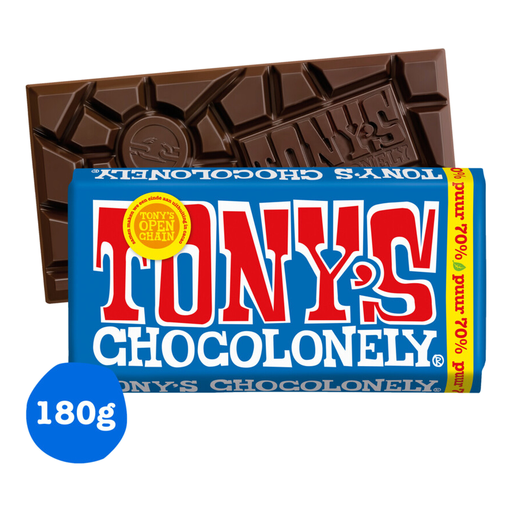 Image unavailable
For anyone looking to use chocolate as a separate ingredient with Dutch breakfast cake. Before using it, check the Fairtrade claim and allergen information on the specific packaging; don’t attribute that claim to the cake.
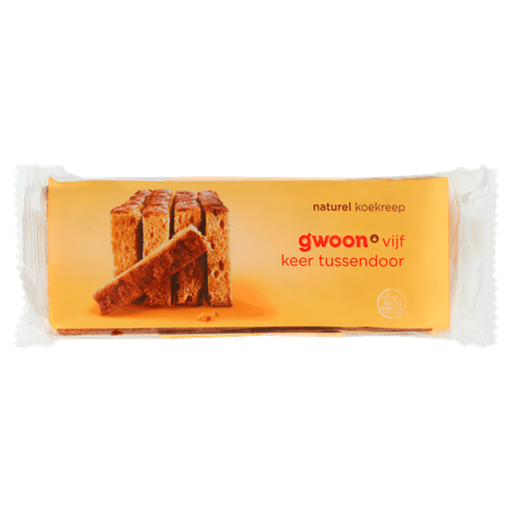 Image unavailable
For anyone needing Dutch breakfast cake for the school fair; the pack contains 6 pieces. Check whether they’re individually wrapped, read the latest allergen information and only describe the cake as Fairtrade if the cake itself carries that claim.
Yes. According to the Netherlands Food and Consumer Product Safety Authority, allergen information must be available to consumers for unpackaged food. For prepacked products, the information is on the label; also check the school’s rules for the fair.
No. Rye is a gluten-containing cereal. The Peijnenburg Naturel 10-pack contains rye flour; for every Dutch breakfast cake you choose, check the ingredients and allergen information on the current packaging.
No. A Fairtrade claim for chocolate or cocoa applies under the terms of that product and doesn’t confirm the status of the cake. Check the cake separately if you want to sell the whole main product as Fairtrade.
No. Don’t assume this based on the product category. If the type of salt used matters to you, check the information on the exact packaging or ask the manufacturer.