If you’d like to share soft slices with your coffee, choose sliced Dutch breakfast cake and check the ingredients if seeds are important to you. Peijnenburg Tussendoor+ offers a breakfast cake bar with grains and seeds. For a crunchy seeded alternative, look at multiseed crackers, but bear in mind that they aren’t breakfast cake. If you’re serving guests, compare the nutritional information and allergen details on the packaging too.
Which option is right for you?
If you’re looking for seeds and extra texture
If you want to serve something with clearly visible seeds with your coffee, look for a breakfast cake bar with grains and seeds or a multiseed cracker. A cracker offers a different, crunchier eating experience from soft Dutch breakfast cake.
If you want to share soft Dutch breakfast cake
Sliced cake is easy to arrange on a plate. A plain version may not contain seeds; check the ingredients if that matters to you.
If you’re comparing labels for guests
Compare the sugar, fibre and serving size in the nutritional information. For products containing seeds, check the allergen information too, especially if you’re unsure what all your guests can eat.
What should you look for when choosing?
First decide whether you’d prefer to share soft slices, serve individual bars or offer a crunchy alternative. The format affects both how you serve it and what your guests get with their coffee.
Sliced Dutch breakfast cake
Choose this if: you want to serve soft slices on a plate. Albert Heijn lists a 550 g loaf of plain Peijnenburg, sliced into 18 pieces.
Bear in mind: the ingredients list for this plain version doesn’t mention seeds.
Breakfast cake bar with seeds
Choose this if: individual portions are convenient and you’re looking for grains and seeds within the breakfast cake category. Albert Heijn lists Peijnenburg Tussendoor+ in fruit or chocolate varieties.
Bear in mind: bars won’t give you the same plate of soft slices as a sliced loaf.
Multiseed cracker
Choose this if: seeds and a crunchy texture matter more to you than the character of Dutch breakfast cake. PLUS lists linseed, sesame seeds and pumpkin seeds among the ingredients in Bolletje Multiseed Breakfast Crackers.
Bear in mind: this is a cracker, not soft Dutch breakfast cake. Check the listed allergens for this variety too.
| What to consider | What to check when buying | Who it matters to |
|---|
| Seeds and texture |
Check which seeds are listed in the ingredients and decide whether you’d prefer a soft bar or a crunchy cracker. |
I want guests to really notice the seeds with their coffee, even if that means choosing a different format from sliced cake. This is the top priority for around 37% of consumers. |
| Sharing and serving |
Check whether the product is sliced and how many slices or individual pieces are in the pack. |
A plate of slices suits my coffee break better than handing out individual bars. Easy sharing is the top priority for around 27% of consumers. |
| Nutritional information and allergens |
Compare the sugar and fibre per 100 g and per serving, and read the full allergen information. |
If my guests have different dietary preferences or allergies, I want to check the label before serving anything. This is the most important consideration for around 36% of consumers. |
Common mistakes
-
Assuming all Dutch breakfast cake contains seeds
The ingredients list for plain Peijnenburg Dutch breakfast cake at Albert Heijn doesn’t mention seeds. A bar or cracker with seeds is also not the same as a large, sliced loaf of Dutch breakfast cake.
If seeds are essential, look for them in the ingredients list and check which product format you’re buying at the same time.
-
Using a variety name to compare nutritional value
Terms such as wholemeal don’t tell you how much sugar and fibre are in your serving. The Netherlands Nutrition Centre lists 11.2 g of sugar and 1.1 g of fibre per 30 g slice of ordinary Dutch breakfast cake; a specific variety may differ.
Compare the nutritional information on the packaging per 100 g and per serving.
-
Overlooking allergens in seeded products
The Bolletje Multiseed Breakfast Crackers described by PLUS contain wheat, barley, oats and sesame, and may contain egg, milk and nuts.
Ask guests about any relevant allergies and keep the packaging to hand so you can check the information for the product you’ve chosen.
Brands to consider
Peijnenburg
For plain sliced Dutch breakfast cake or a breakfast cake bar with grains and seeds.
- Albert Heijn lists a 550 g plain loaf, sliced into 18 pieces, and Tussendoor+ bars with grains and seeds.
- The ingredients list for the plain loaf doesn’t mention seeds. Check the ingredients and allergens of the bars separately.
PLUS
A supermarket own brand with plain, wholemeal and zero Dutch breakfast cake to compare.
- PLUS lists these three types of sliced Dutch breakfast cake in its range.
- Check the packaging to see whether your chosen loaf contains seeds; the product names alone don’t make this clear.
Koek & Bakker
A pre-sliced wholemeal Dutch breakfast cake for serving by the slice.
- ALDI lists a 485 g pack with pre-sliced pieces.
- Check the packaging for seeds, nutritional values and allergens if these affect your choice.
Bolletje
A cracker alternative if seeds matter more to you than soft Dutch breakfast cake.
- According to PLUS product information, Bolletje Multiseed Breakfast Crackers contain linseed, sesame seeds, sunflower seeds and pumpkin seeds, among other ingredients.
- This is a cracker; the listed allergens include wheat, barley, oats and sesame.
Products for different ways of serving
These products let you choose between sliced Dutch breakfast cake, individual breakfast cake portions and crunchy crackers or crispbread. Choose based on the product type and how you want to serve it. A cracker won’t necessarily replace the soft cake you may be looking for with your coffee.
 No image available
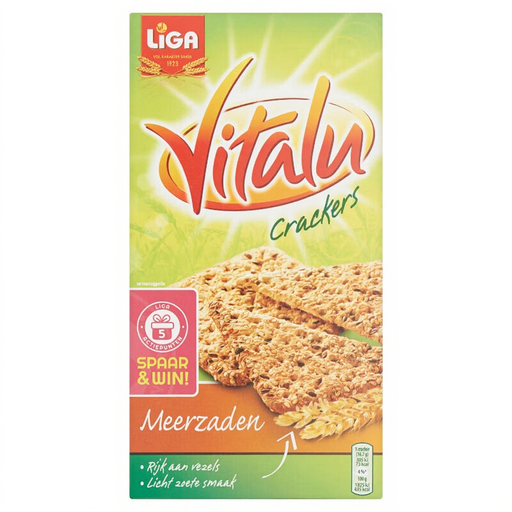
Lu Vitalu Multiseed Crackers, 200 g
A crunchy alternative if you’d rather serve crackers than soft Dutch breakfast cake. Check the packaging if you’re catering for guests with allergies.
 No image available
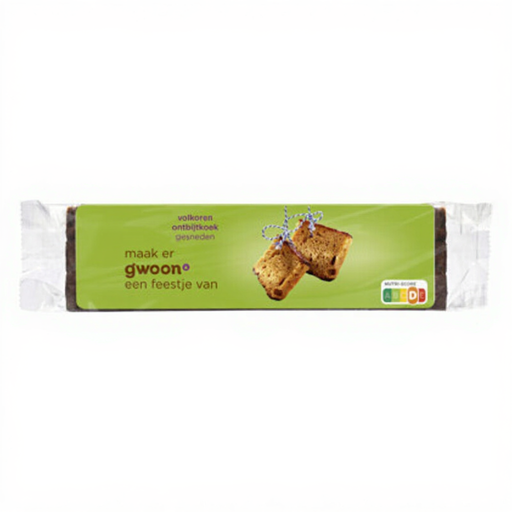
g'woon sliced wholemeal Dutch breakfast cake, 485 g
For serving sliced pieces with your coffee. Check the ingredients if seeds are essential to your choice.
 No image available
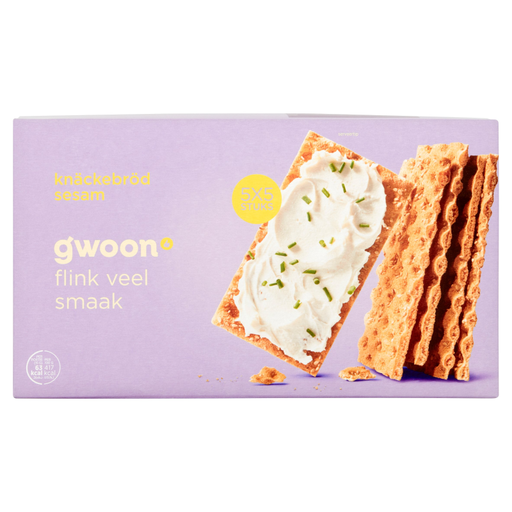
g'woon sesame crispbread, 5 pieces
A crunchy sesame option instead of Dutch breakfast cake. This is crispbread, not multiseed breakfast cake; check the packaging if you’re catering for people with allergies.
 No image available
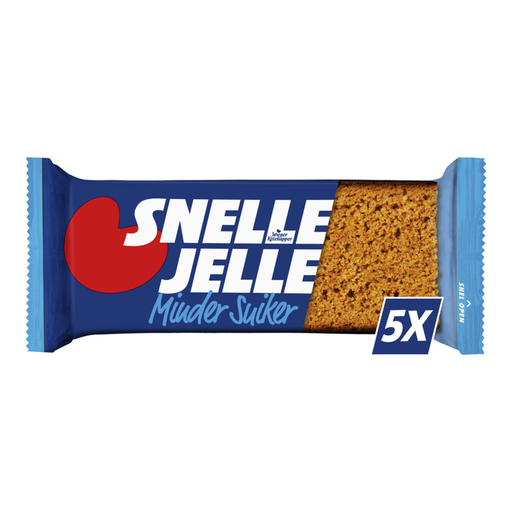
Snelle Jelle Less breakfast cake bars, 250 g
Individual bars are a handy option if you’d rather serve separate portions than slices from a large loaf. Don’t assume the bars are sugar-free based on the variety name; check the nutritional information on the packaging.
 No image available
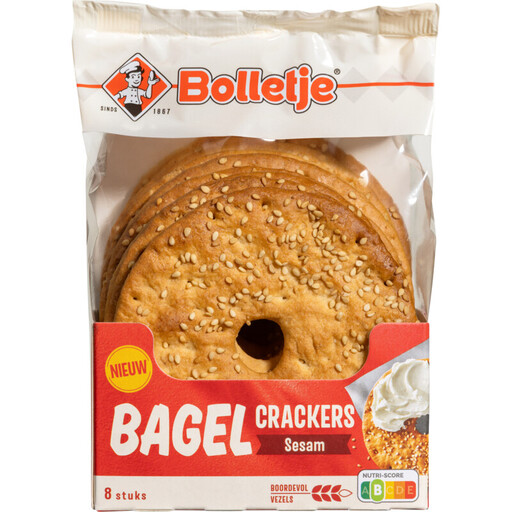
Bolletje sesame bagel crackers, 225 g
A crunchy cracker option if sesame suits what you want to serve. These aren’t slices of Dutch breakfast cake; check the allergen information before offering them to guests.
Frequently asked questions
Does ordinary Dutch breakfast cake automatically contain seeds?
No, not necessarily. The ingredients list for the plain Peijnenburg Dutch breakfast cake listed by Albert Heijn doesn’t include seeds; check the ingredients for the variety you want to buy.
Which allergens should I check in a multiseed cracker?
Always check the packaging of the cracker you’ve chosen. PLUS product information for Bolletje Multiseed Breakfast Crackers lists wheat, barley, oats and sesame; the product may also contain egg, milk and nuts.
Does all Dutch breakfast cake contain iodised baker’s salt?
Don’t assume so. The Netherlands Food and Consumer Product Safety Authority describes the conditions under which bakery products may contain iodine from baker’s salt; this doesn’t tell you whether a particular Dutch breakfast cake was made with it. Check the product label or ask the manufacturer.
How should I store opened Dutch breakfast cake for another coffee break?
Follow the storage advice on the packaging. According to its product information, Peijnenburg recommends storing its plain sliced Dutch breakfast cake in a cool, dry place, preferably in an airtight tin or container.


