
Vandaag of morgen in huis

Kwaliteit gegarandeerd

Welkomstaanbiedingen ontgrendelen: GRATIS bezorging | Tot 80% korting | Gratis 30 dagen JoyPlus-proefperiode
Download de app
Durable plates can mean different things. Sometimes it refers to tableware designed to last for years, such as stainless steel plates. In other cases, a retailer may mean a single-use product made from sugarcane fibre or paper that can be thrown away after use. These options are not automatically suitable for the same situations.
A family with young children, a camper and a catering business will also have different requirements. So don’t rely on claims such as “eco-friendly”, “strong” or “safe” alone. Check the material, dimensions, care instructions and any limitations on use.
Reusable plates are designed to be used repeatedly. Stainless steel and other metal plates can be a practical choice if you want to buy new tableware less often. Compostable plates, on the other hand, are single-use products. Whether they can actually be composted depends on the material, local waste facilities and the conditions in which they are processed.
A sugarcane fibre plate is not the same as a reusable plate. For single-use tableware, always check the disposal instructions and don’t automatically put it in your household food and garden waste bin.
Metal tableware is less likely to break than ceramic, but it can still get hot, bend or scratch. For children in particular, the temperature of the plate matters more than whether it can withstand being dropped. Some metal plates are not suitable for microwave use. A product described as suitable for an oven or induction hob is not automatically suitable for every type of heating.
Always read the warnings and check whether the plate is intended for serving, cooking or both.
A 16 cm plate is handy for fruit, snacks or a child-sized portion, but less suitable for a full hot meal. A deep plate can be useful for soup, rice dishes or sauces. Compartment plates help keep different foods separate, but often take up more space in your cupboard or dishwasher.
For picnic and camping tableware, check your storage space too. A plate that works well at home may be awkwardly large for a rucksack or cool box.
304 stainless steel is widely used for metal plates and trays. According to the product information for the models mentioned, it resists rust and corrosion and is relatively easy to clean. Pay attention to the finish, though: a brushed surface can make fingerprints and small scratches less noticeable, while abrasive sponges can damage it.
Disposable aluminium plates are lightweight and suitable for single-use occasions, such as a barbecue or catering event. Aluminium foil is thinner than a sturdy metal plate and is not intended to be used as reusable tableware over a long period.
Sugarcane fibre or bagasse plates are intended for single use. The product name may include “biodegradable” or “compostable”, but always check local waste rules and the information on the packaging.
Use these guidelines as a practical starting point:
A portion-control plate can help you divide portions clearly, but the plate itself doesn’t determine how much someone should eat. Use the compartments as a practical way to organise food.
Check whether the plate is dishwasher-safe and whether handwashing is recommended to preserve the finish. For metal tableware, a soft sponge is usually a better choice than wire wool or an abrasive cleaner.
According to the product information for various Maxcook models, some 304 stainless steel dishes can be used in an oven, steam oven or on an induction hob. Specific instructions apply, such as heating at medium to low power, using enough liquid and wearing oven gloves. Other models, such as some divided serving plates, are intended for serving food only. So check the instructions for each product.
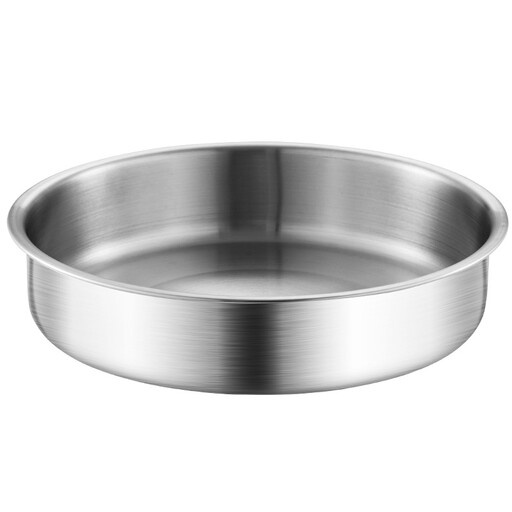
Why it suits this profile: Its compact size is handy for snacks, fruit, desserts and small portions at home or on the go.
The product description mentions 304 stainless steel, easy cleaning and everyday use. Do check whether 16 cm is large enough for your meals.
304 stainless steel, compact size and, according to the product information, dishwasher-safe.

Why it suits this profile: Its larger size is suitable for a standard evening meal and, according to the product information, it can also be used in an oven or steam oven.
The specifications list the material and compatible appliances. Follow the warning not to heat it at high power.
24 cm diameter, 304 stainless steel and, according to the product information, dishwasher-safe.
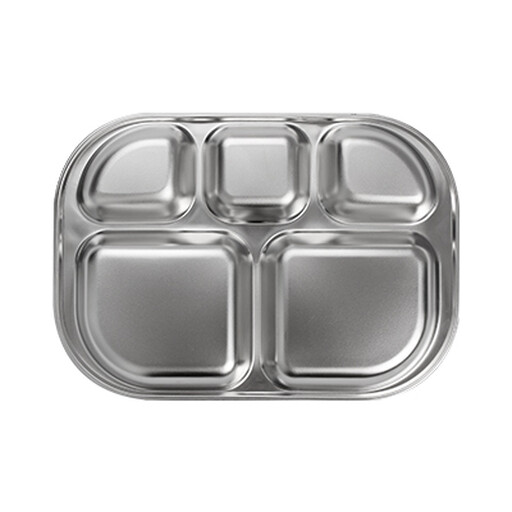
Why it suits this profile: The five compartments are suitable for families, workplace canteens, catering and meals where ingredients need to be kept separate.
The integrated compartments mean you don’t need to bring separate containers. Check in advance that five compartments suit your portions and storage space.
304 stainless steel, five separate compartments and, according to the product information, dishwasher-safe.
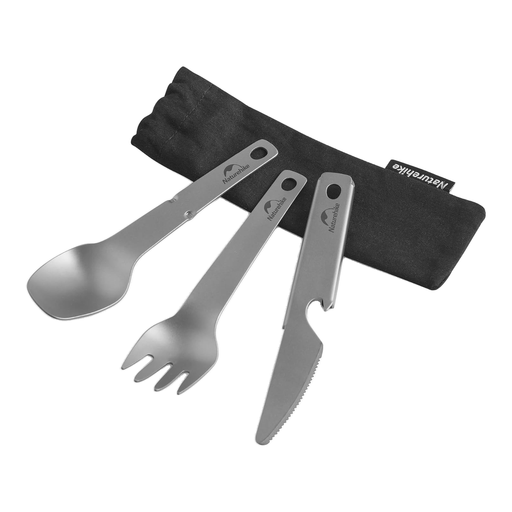
Why it suits this profile: Low weight matters when you’re walking, camping or picnicking. The set includes a knife, fork, spoon and bottle opener.
The set is designed for eating and carrying with you, not for cooking over an open fire. This helps prevent lightweight titanium cutlery from being used incorrectly.
According to the product information, the set weighs around 40 grams and comes with a storage bag.
We’ve put together a complete, up-to-date list of products that meet these strict selection criteria and the applicable European safety requirements.
Single-use tableware can be practical for a barbecue, street party or catering event. The Biodegradable Paper Plates 23 cm, 50 Count Sugar Cane Disposable Plates set is described in its product name as suitable for hot and cold dishes, picnics and parties. Check the full material and disposal information before buying.
Disposable aluminium plates are also available, such as the COOKER KING 6-Inch Square Aluminum Foil Plates and the 7-inch version. They’re lightweight and suitable for serving, but less suitable if you want to reuse your tableware over a long period. When buying in larger quantities, pay particular attention to the number of plates, the strength of the rim and whether they’re suitable for the type of food you’ll be serving.
They can be, particularly if they’re sturdy and easy to clean. Stainless steel conducts heat, so a plate holding hot food can become warm. Don’t let children eat very hot food unsupervised, and always check the product warnings.
That depends on the material and the processing method. A product description may say that a plate is compostable, but local waste rules determine where it should go. Check the packaging and your council’s guidelines.
Around 23 to 24 cm is often a practical size for a standard meal. For children, snacks or compact camping meals, 16 to 20 cm may be more convenient. If you want to keep different parts of a meal separate, choose a plate with three or five compartments.
