What should you consider when choosing?
Start with the images you want to capture and print. Only then decide between a fixed lens and a system with interchangeable lenses.
Interchangeable-lens system camera
A good fit if: you want to frame both wide dune landscapes and individual details, and choose a lens to suit.
The trade-off: you can choose the angle of view, but the lens adds to the weight and changing it calls for extra care in sandy winds.
Compact camera with a fixed lens
A good fit if: you want to take one camera without separate lenses on a long walk, and its fixed lens can frame the images you want.
The trade-off: you won’t need to change lenses on the way, but you can’t replace the lens later with one offering a different angle of view.
| Consideration |
What should you look for? |
Who is this important for? |
| Wind, sand and changing light |
Check the protection offered by both the body and lens, and consider how you can avoid changing lenses in sandy winds. |
If I want to keep taking photos in changeable coastal weather, I look at the protection offered by the whole kit and ways to minimise lens changes. Around 36% of consumers prioritise being able to keep using their equipment in these conditions. |
| Detail for prints |
Decide on the print size and crop; assess sample files from the camera and lens you’ve chosen. |
For my exhibition, I want to know whether fine textures will hold up after the crop I have in mind. Around 29% of consumers prioritise detail that works well in prints. |
| Weight of the complete kit |
Compare the body and chosen lens together, and check that the lens offers the angle of view you want. |
If I’m carrying the camera on a walk through the dunes, I want to weigh up the weight of the complete kit against the choice of angles. This is the main concern for around 21% of consumers. |
| Complete camera kit |
Check which lens and accessories are included, and whether the lens mount suits your plans. |
I want to avoid choosing a body without a lens that can capture the dune scenes I’m after. Around 14% of consumers prioritise getting a complete kit. |
Joybuy products for dune photography
These products range from compact and action cameras to system cameras with lenses. For each model, consider whether the kit suits your print plans and the way you like to walk.
 No image available
DJI Osmo Pocket 3, 1-inch CMOS, 4K/120fps
This compact camera is an option if you want to travel light. Its stated video specifications alone don’t indicate how much detail a photo will show at your chosen print size.
The product information lists a 1-inch CMOS sensor, a rotatable screen and 4K/120fps video.
View product on Joybuy
 No image available
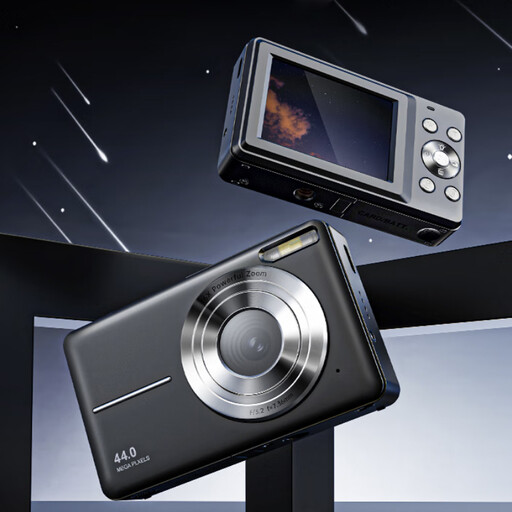
Songdian Pocket Camera 4K 44MP, black
Assess this compact camera using a sample file at the size you intend to print. The figures in the product title alone don’t tell you whether the results will meet your expectations for detail.
View product on Joybuy
 No image available
Sony ZV-E10 with 16–50mm zoom lens, black
This version comes with a lens that offers a choice of angles of view in one kit. Check with test shots whether the crop suits your exhibition plans.
The product information lists a 24.2 MP APS-C sensor and a 16–50mm zoom lens.
View product on Joybuy
 No image available
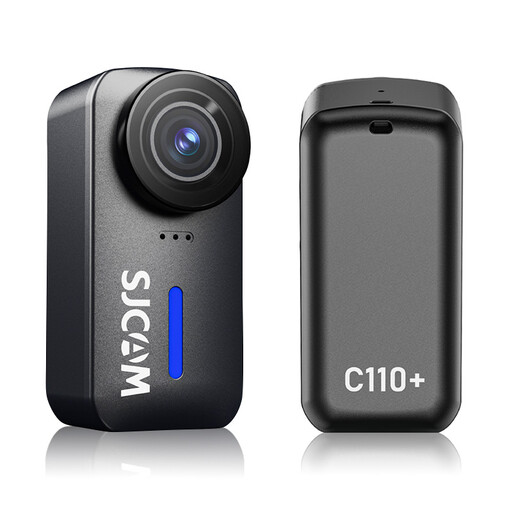
SJCAM C110+ 4K action camera, 170°
The stated 170° angle of view may be useful for wide landscape shots. Take a test shot to see whether it suits the crop you want to print.
The product title lists 20 MP photos. The stated waterproofing to 30 m applies when used with the housing.
View product on Joybuy
 No image available
Sony Alpha A6100 with 16–50mm f/3.5–5.6 OSS II
The included zoom lens gives you a choice of angles of view without needing to put together a separate lens kit for this version. Check whether the complete kit suits your print plans.
The product information lists a 24.2 MP APS-C sensor and an electronic viewfinder. It also advises against exposing the camera to rain or moisture.
View product on Joybuy
Frequently asked questions
Should megapixels be your main consideration for an exhibition print?
No. Start with your intended print size and crop, then assess a sample file. The lens, sensor and sharpness of the image all play a part. Without a chosen print size, there’s no general minimum megapixel count for this exhibition.
How can you reduce the risk of sand getting into a camera with interchangeable lenses?
Decide in advance which lens to take and avoid unnecessary changes in sandy winds. Canon Netherlands points out that dust and dirt can get into the camera when you change lenses and cause spots on images. Follow the cleaning instructions for your camera model.
What should you check in addition to the camera body?
Check which lens and accessories are included with the version you’re considering, and whether the lens suits the angle of view you want. Also think about a memory card and, if you plan to print your photos, a sample file at your intended print size.
Can you leave the path for a dune photo or enter a nature reserve before sunrise?
The rules vary by area and land manager. Staatsbosbeheer says most of its areas are open from sunrise to sunset, and signs at each area set out the access rules, including which paths you’re allowed to use. Check the rules for the location before taking photos.
Can you exhibit a dune photo showing recognisable visitors without any further checks?
Not without considering the circumstances. According to Dutch guidance on portrait rights, someone may be recognisable even if their face isn’t clearly visible. If a portrait wasn’t commissioned, that person may have a reasonable interest in objecting to its publication. If in doubt, choose an image without recognisable people or obtain permission to use the portrait in advance.


