If your bedroom stays below 15 °C for long periods while you dry laundry, a desiccant dehumidifier is a sensible option. Above 15 °C, the Consumentenbond recommends starting with a condensing model. Desiccant models generally use more electricity and can release heat into the room, so also compare the drying mode, water collection and space needed for the appliance. Keep ventilating your home: a dehumidifier does not remove stale indoor air.
Who is this relevant to?
Drying laundry in a cool bedroom
You regularly hang laundry to dry in a bedroom that stays cool for long periods and want to know whether a desiccant model is suitable for that temperature. The Consumentenbond identifies temperature as an important factor when choosing between dehumidifier technologies.
Light sleeper with an indoor airer
You also use the bedroom for sleeping, so the noise and heat produced during your chosen drying mode matter to you.
Regularly drying laundry indoors
You want to plan drying sessions practically and consider electricity use, automatic shut-off and how often you need to empty the water tank.
What should you consider when choosing?
| Consideration |
What should you check? |
Who should pay particular attention? |
| Temperature and suitability for drying |
Measure the temperature in the bedroom while drying laundry. Compare the technology and capacity under the stated conditions. |
If my bedroom stays cool for long periods during drying sessions, I want to know which technology is suitable and under what conditions the stated capacity applies. Around 33% of consumers prioritise suitability at low temperatures. |
| Noise and warmth around bedtime |
Check the noise ratings for each mode and see whether you can use a timer or another stop setting. |
If I sleep in the same room, the noise during the actual drying mode matters more to me than a single noise rating. Around 27% of consumers prioritise a comfortable sleeping environment. |
| Electricity use and controls |
Compare the power rating of the mode you use, the expected running time and the timer or humidistat. |
When drying laundry regularly, I want to estimate how long the appliance will run and how to make it stop. Around 20% of consumers focus mainly on electricity use and adjustability. |
| Water collection and ventilation |
Check the tank capacity, full-tank shut-off and whether a drain hose is included. Also take your home’s usual ventilation into account. |
When I dry laundry indoors, I want to manage the collected water without losing the ventilation my home needs. Around 20% of consumers prioritise moisture management and ventilation. |
Pitfalls when drying laundry in the bedroom
-
Comparing only the maximum litres per day
Maximum capacity alone does not predict how quickly your laundry will dry. Temperature and humidity also play a part.
Measure the bedroom temperature and compare capacity only under the conditions stated for that figure. The Consumentenbond identifies temperature as a key factor when choosing a dehumidifier.
-
Assuming a quiet mode means quiet drying
A model may have a different noise rating for each fan speed. The quiet mode may not be the one you use for drying. Meaco lists different noise levels for each mode on the DD8L Junior; these are not the results of a comparative test for sleeping.
Check the noise level and controls for each mode, and see whether you can finish drying before bedtime.
-
Keeping the bedroom sealed off permanently
A dehumidifier removes moisture from the air, but it does not replace the supply of fresh air or the removal of stale air. The Consumentenbond recommends closing off the drying area while using a dehumidifier; Milieu Centraal describes ventilation as bringing air into and removing air from your home.
Maintain the ventilation your home needs, and treat a closed-off drying area as a temporary choice while the appliance is in use.
-
Assuming a drying programme will stop at the right time
According to the Consumentenbond, many appliances continue running in laundry-drying mode. This can mean extra running time and electricity use.
Check how the timer, humidistat and full-tank shut-off work on the model you choose.
Brands and models to consider
Trotec
The TTR 57 E is a desiccant model with a laundry-drying function, including for bedrooms.
- Trotec lists a 5 l tank, a capacity of 9 l/24 hours and suitability for rooms up to 20 m².
- These are manufacturer’s figures, not independent test results. Actual performance also depends on temperature and moisture levels.
Meaco
The DD8L Junior is a desiccant model with a laundry-drying mode and a separately adjustable quiet fan speed.
- Meaco gives noise ratings of 39, 43 and 48 dB(A) for the different modes.
- These figures are not a comparative test for sleeping; check the noise level for the drying mode you use.
Wood’s
Wood’s describes the WDD80 as a desiccant model for cool rooms.
- Wood’s lists three fan speeds, a 2 l tank, a hose connection and additional heat output.
- For bedroom use, check the model version, noise setting and whether the water collection capacity suits the length of your drying session.
Joybuy products for drying laundry
These Joybuy products are dehumidifiers whose product information mentions a laundry-drying function. For each model, check which dehumidifying technology it uses and whether it suits the temperature in your bedroom.
 No image available
CONOPU 16L Dehumidifier, 2.5L Water Tank
The product information lists a separate laundry-drying mode for anyone who wants to dry laundry indoors.
2.5 l tank, continuous drainage, 24H timer and washable filter. The description mentions automatic shut-off when the tank is full.
View at Joybuy
 No image available
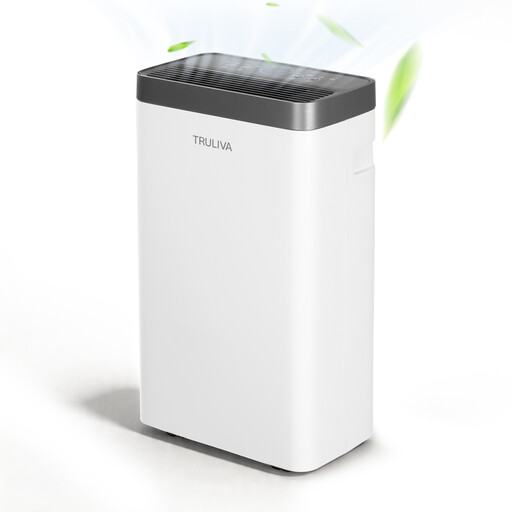
TRULIVA AP10-2012EE Dehumidifier, Approx 32m²
The product information lists a laundry-drying mode and a timer for scheduled indoor use.
The description mentions automatic humidity control and continuous drainage using a hose. Below 15 °C, frost may form and the compressor may stop temporarily to defrost.
View at Joybuy
 No image available
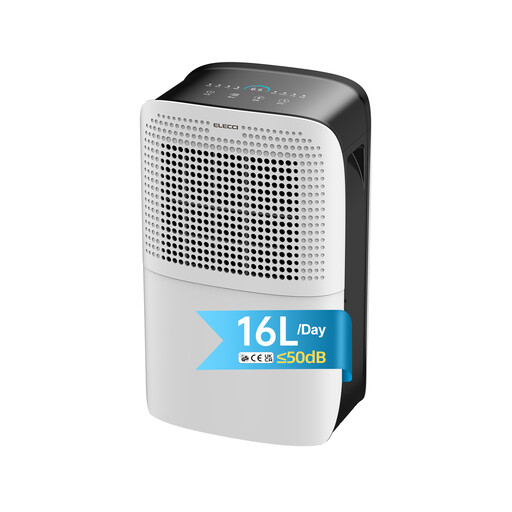
ELECCI 16L/D Dehumidifier, 3.1L Water Tank
The separate drying mode and timer may be useful if you want to schedule indoor laundry drying.
The product name lists four modes and a 3.1 l tank. The description mentions a full-tank indicator, automatic shut-off and continuous drainage using a hose. Place the appliance upright on the floor, leaving 25 cm of clearance around it.
View at Joybuy
 No image available
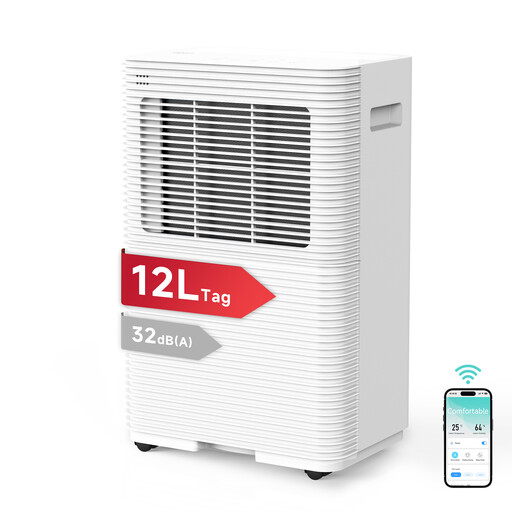
VINO 12L Smart Dehumidifier, WiFi Control
The product information lists a laundry-drying function and a sleep mode. Check the noise level of the mode you use for drying.
1.8 l tank and three modes: Auto, Dry and Sleep. The description mentions a timer and control via an app or control panel; leave at least 20 cm of clearance around the appliance.
View at Joybuy
 No image available
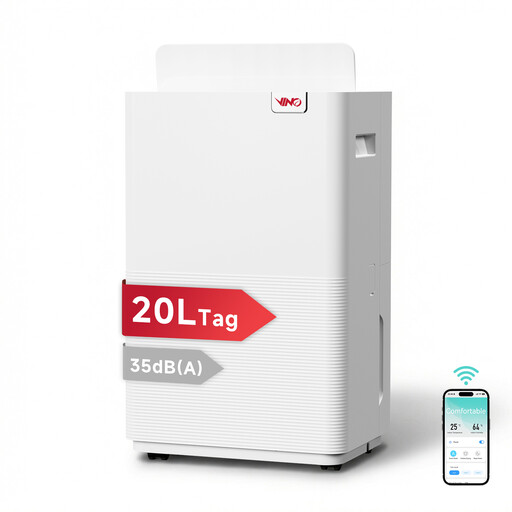
VINO 20L Smart Dehumidifier, WiFi Control
The product information lists a laundry-drying function and a sleep mode. Consider the space around the appliance in a bedroom.
2.5 l tank, three modes: Auto, Dry and Sleep, and a timer. The description mentions automatic shut-off when the tank is full and continuous drainage using a hose. Keep the air inlet and outlet clear.
View at Joybuy
Frequently asked questions
Do I definitely need a desiccant dehumidifier above 15 °C?
No. The Consumentenbond recommends starting with a condensing model above 15 °C and a desiccant model for cooler rooms. This is buying advice, not a legal temperature limit; measure the temperature where you dry your laundry.
How should I position the airer and dehumidifier?
Leave space between garments and direct the airflow towards or along the laundry. Keep the appliance’s air inlet and outlet clear, and follow the positioning instructions for the specific model.
Can I close all the ventilation grilles to dry laundry faster?
No. A dehumidifier does not remove stale air. Read the Consumentenbond’s advice to close off the drying area while the appliance is in use alongside Milieu Centraal’s advice to keep ventilating your home.
What should I know about maintenance and electricity use?
Clean the dust filter according to the maintenance instructions and keep the air vents clear. You can calculate electricity use from the power rating of the mode you use, the running time and your own electricity tariff; a figure in W is not, by itself, the cost of a drying session.
Which product safety rule applies to a new electric dehumidifier in the Netherlands?
CE marking is compulsory for electrical consumer products where the applicable rules require it. The Netherlands Food and Consumer Product Safety Authority explains this requirement; check the marking and product documentation for the exact model.


