
Livraison le jour même et le lendemain

Qualité garantie

Débloquez vos offres de bienvenue: Livraison GRATUITE | Jusqu'à -80 % | 30 jours d'essai gratuits à JoyPlus
Téléchargez l'application
Dry hands, rough feet, chapped lips or a tight-feeling face after shaving do not all require the same product. Yet many packages promise similar results. This can make choosing difficult and may lead you to buy a cream that is not suitable for your skin type or intended use.
When it comes to skincare for dry and sensitive skin, there are three main pitfalls to watch out for:
For sensitive skin, fragrance-free skincare is often a sensible first choice. Check the ingredients list for perfume and fragrance allergens such as limonene, linalool, geraniol and citronellol. Natural essential oils, such as lavender, rosemary or thyme, may also be less suitable for some users.
A product without perfume is not automatically suitable for everyone. Test a new cream on a small area of skin first, and stop using it if redness, itching or irritation persists.
Examples of products described as fragrance-free in the product information include Lucovitaal Cracked Mouth Corners Cream and certain NIVEA Sensitive variants. However, pay attention to the difference between “fragrance-free”, “odourless” and “neutral scent”.
A moisturising cream often contains moisture-binding ingredients such as glycerine. A balm may also contain oils and emollient ingredients. Vaseline petroleum jelly consists of petrolatum/paraffin and mainly works as an occlusive protective layer that helps to limit moisture loss.
A cream for cracked hands, winter hand cream or cream for fissures is intended for a specific use. Do not automatically use a product on another area of the body without checking the label.
Do not compare the price alone; also consider the quantity and expected usage. For example, a 15 ml tube for the corners of the mouth is not comparable with a 250 ml jar of petroleum jelly. Also check:
Extra care is needed with baby products. A baby nappy-area balm is developed for the skin beneath the nappy and is not intended as a general cream for the whole body. If skin problems persist or are severe, it is wiser to seek advice from your GP, pharmacist or child health clinic.
The following selection is based on checkable information such as product type, quantity, ingredients and stated use. Brand descriptions of performance are not presented here as established medical facts.
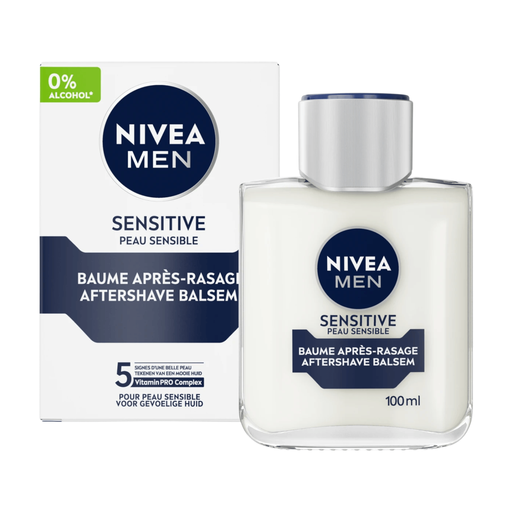
Why it fits this profile: The balm is intended for use after shaving and, according to the product information, has an alcohol-free formula containing chamomile, vitamin E and pro-vitamin B5. The quantity is 100 ml.
The product details clearly state the intended use, formula and warning to avoid contact with the eyes. However, check the current packaging, as the ingredients list includes perfume.
Alcohol-free according to the product specification; 100 ml for everyday use after shaving.
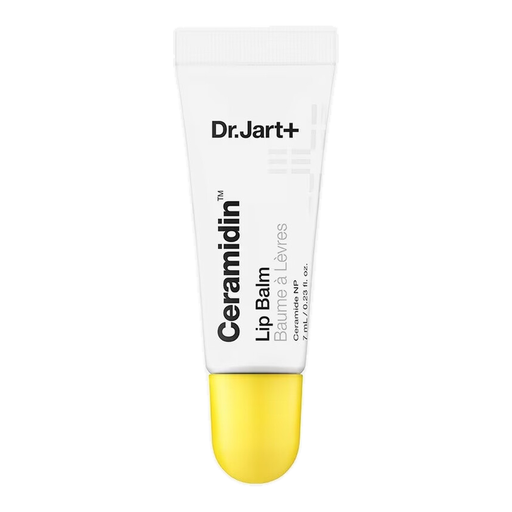
Why it fits this profile: According to the ingredients list, this lip balm contains Ceramide NP and has a gel-like texture with a glossy finish. The slanted applicator edge is practical for use on the go.
The product specification clearly states the intended use, quantity and texture. No SPF is mentioned, so use additional lip protection in strong sunlight.
Compact 7 ml format; formula with Ceramide NP; suitable for reapplying as needed.
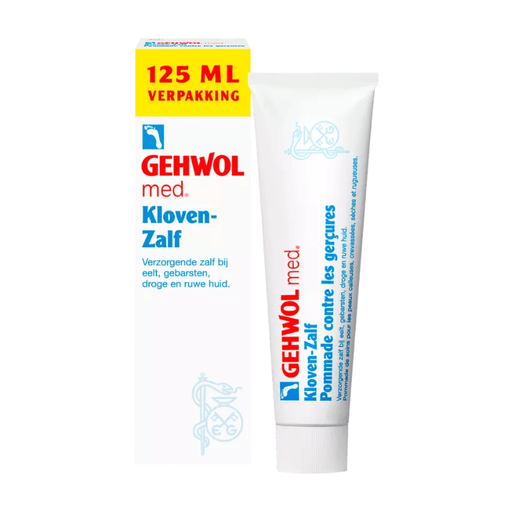
Why it fits this profile: According to the product information, this product is a Class I medical device for dry, rough skin and cracked skin on the hands and feet. The ointment contains petrolatum, lanolin, panthenol and bisabolol, among other ingredients.
The intended use for cracks and the warnings are clearly stated. However, the formula contains lanolin, perfume and essential oils, so check these carefully if you have sensitive skin.
125 ml; intended for hands and feet; use as a thicker layer on cracked skin according to the product instructions.
We have compiled a complete, up-to-date list of products that fully meet these strict selection criteria and the applicable European safety regulations.
Start with a simple formula and check for perfume, alcohol, essential oils and known allergens. Then choose a product suited to the area of skin: hand cream for hands, foot balm for feet and aftershave balm for the face after shaving. Test a new product on a small area first.
This depends on the product instructions and how dry your skin is. You can usually apply hand cream after washing your hands. A richer cream or ointment can be applied in the evening so that it remains on the skin for longer. Always follow the label and reduce use if irritation occurs.
For open, infected or painful wounds, persistent redness, swelling or worsening symptoms, self-care may not be appropriate. If you have a baby, diabetes or recurring cracks, it is sensible to consult a healthcare professional. Use skincare products externally only and keep them out of the reach of children.
