
Vandaag of morgen in huis

Kwaliteit gegarandeerd

Welkomstaanbiedingen ontgrendelen: GRATIS bezorging | Tot 80% korting | Gratis 30 dagen JoyPlus-proefperiode
Download de app
A bag of dry food for dogs and cats may seem simple to choose, but differences in age, size, ingredients and portion sizes can make a big difference. A budget-friendly pack isn’t automatically right for your pet. Equally, a long ingredients list doesn’t necessarily mean a product is a better fit.
This guide will help you tell marketing claims apart from verifiable information, so you can choose dog food or cat food with confidence.
Words such as chicken, lamb, fish or beef on the front of the pack are designed to catch your eye. So check the full composition. For example, Iams Naturally Adult Cat Dry Food Lamb & Rice lists lamb at 4.1% and rice at 4.1%, while dried chicken and turkey appear further up the ingredients list. The product name alone doesn’t give you the full picture.
The same applies to chicken dog food, lamb dog food and fish dog food: check the percentages, the order of the ingredients and the analytical constituents.
Grain-free dog food contains no grains, but it often includes other sources of carbohydrates, such as peas, chickpeas or sweet potato. This may suit a specific dietary preference, but it’s not a general reason to choose every grain-free product.
According to its product description, Eukanuba Grain Free Dog Adult Small/Medium Ocean Fish uses peas and gluten-free sweet potato as alternative sources of carbohydrates. If your pet has a sensitivity, always check the full label and speak to a vet about ongoing symptoms.
A 10, 12 or 15 kg pack may look attractively priced per kilogram. However, a large bag can be impractical if your cat or dog eats slowly. Dry food should be stored in a cool, dry place, sealed well and kept out of direct sunlight. Also check the use-by date and the recommended period for using the food after opening.
A smaller bag is often more practical if you want to try a new flavour first, or if you have several pets with different dietary needs.
First, choose between dry dog food and dry cat food. Cat food and dog food aren’t interchangeable as everyday meals. Then check your pet’s life stage:
Always check the legal product name, intended animal and life stage on the packaging. The term complete pet food means that, according to the label, the product is formulated as a complete daily meal. Still follow the feeding guide and adjust portions for your pet’s weight, activity level and body condition.
Compare at least the following:
For example, Farmina N&D Quinoa Weight Management Adult Medium to Large Dog Food lists 34% crude protein, 12% fat and 3% crude fibre in its product information. The formula is intended for adult medium and large dogs and contains chicken, chicken meal, herring meal and quinoa. This lets you check the product specifications without treating the marketing claim as a guarantee.
Flavour preference is personal. Popular options include chicken dog food, lamb dog food, fish dog food, beef and combinations of these. For cats, options include tuna, chicken, lamb and beef.
Make any change gradually. Over about seven to ten days, mix a little more of the new food into the old food each day, unless the packaging gives different instructions. If your pet vomits, has persistent diarrhoea or itching, or shows a clear change in appetite, it’s sensible to ask a vet for advice.
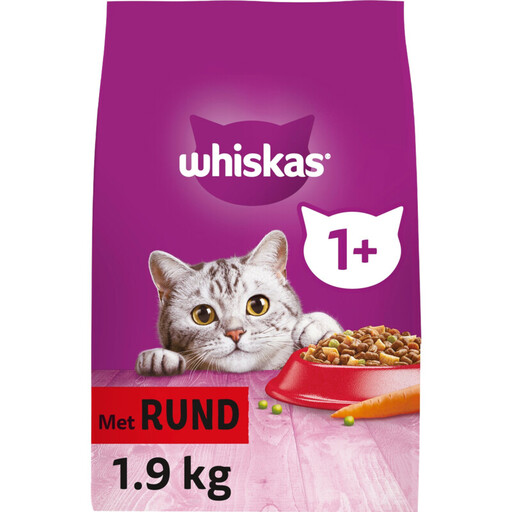
Why it suits this profile: A manageable 1.9 kg pack for adult cats. According to the product description, the food contains fibre and zinc, with no added artificial colours or flavours.
The smaller bag reduces the risk of the food being left open for too long. Before buying, check the current feeding guide and composition on the packaging.
Complete dry food for adult cats; 1.9 kg pack; beef flavour.
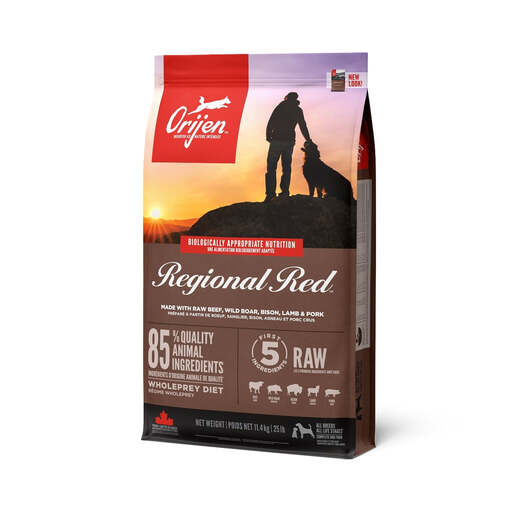
Why it suits this profile: For dog owners who want to compare a detailed ingredients list and high analytical values. The product information lists 38% crude protein, 18% fat and several animal protein sources.
The full composition and analytical values are available, so you don’t have to rely on the front of the bag alone. Check that the protein and fat content are right for your dog.
11.4 kg pack; beef, wild boar, bison, lamb and pork listed as protein sources; glucosamine and chondroitin stated per kg.
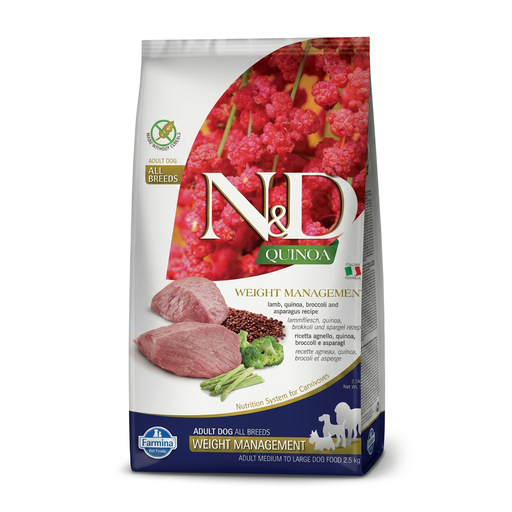
Why it suits this profile: Designed for adult medium and large dogs whose owners want to keep a close eye on portions and body condition. The product description states that the formula is for weight management.
The packaging gives feeding amounts based on weight. Use these as a guide and adjust portions to suit your dog’s activity, age and individual body condition.
2.5 kg pack; 34% crude protein and 12% fat according to the product information; quinoa, chicken and herring listed as ingredients.
We’ve put together a complete, up-to-date list of products that meet these strict selection criteria and the applicable European safety requirements.
It depends on your pet’s weight, age and activity level, as well as the energy content of the product. Use the table on the packaging as a starting point. Ideally, weigh out portions in grams and check your pet’s body condition regularly. Treats and wet food count towards the total daily amount.
Follow the manufacturer’s instructions. Keep the bag tightly sealed in a cool, dry place, out of direct sunlight. For example, Iams Naturally advises resealing the pack securely after opening and using the food within six weeks. The information on your own pack takes precedence.
Not usually. Grain-free dog food may be an option if you want to avoid grains, but it doesn’t rule out other ingredients. If you suspect an allergy or your dog has ongoing digestive problems, it’s better to seek advice from a vet than to keep changing food yourself.
