
Vandaag of morgen in huis

Kwaliteit gegarandeerd

Welkomstaanbiedingen ontgrendelen: GRATIS bezorging | Tot 80% korting | Gratis 30 dagen JoyPlus-proefperiode
Download de app
Choosing a bag of dry dog food seems straightforward, until you start comparing the ingredients list, nutritional values and feeding guidelines. Eye-catching packaging says little about whether a product is suitable for your dog. Age, size, activity level and sensitivities all influence which dog food makes sense.
Many dog owners in the Netherlands run into the same pitfalls:
Below, as a Joybuy Product Recommendation Officer, I explain which information on the label really matters and which products suit different profiles.
Start by choosing according to life stage. Dog food for adult dogs is generally intended for dogs from around one year old, but the exact age varies by breed and product. There are also options for older animals, such as senior dog food or food for dogs aged seven or eight and over.
Size matters too. Dog food for small dogs often contains smaller kibble, while food for large dogs may take their greater food requirements and different nutritional profile into account. Look out for labels such as:
Small kibble is not just about convenience. Some dogs eat large kibble too quickly or find it difficult to chew. Conversely, very small kibble may be less practical for a large dog.
Look for a legally recognised feed designation such as “complete food for dogs” or “complete and balanced dog food”. This means that, according to the product information, the product is intended to be fed as a complete daily diet.
Also check the analytical constituents:
Claims about supporting the skin, coat, joints or digestion come from product descriptions. According to information provided by the brands themselves, ingredients such as omega-3 and omega-6 fatty acids, prebiotics, glucosamine or vitamin E may be added for these purposes. Such claims are not a guarantee of individual results.
A recipe containing chicken, lamb, fish or game can be useful when you are looking for a particular protein source. However, always check the full composition. Dog food with lamb, for example, may also contain chicken fat or chicken as an additional protein source. If you deliberately want to avoid chicken, you therefore need to read beyond the name on the front of the pack.
The same applies to grain-free dog food. “Grain-free” does not automatically mean hypoallergenic and is not a medical indication. If your dog has persistent symptoms, you suspect an allergy or you are following a diet recommended by a vet, professional nutritional advice is the wiser option.
For dog food for weight management, the fat content, energy value and portion size are more important than a marketing term on the packaging. Weigh out the daily amount and adjust it according to your dog’s body condition and activity level.
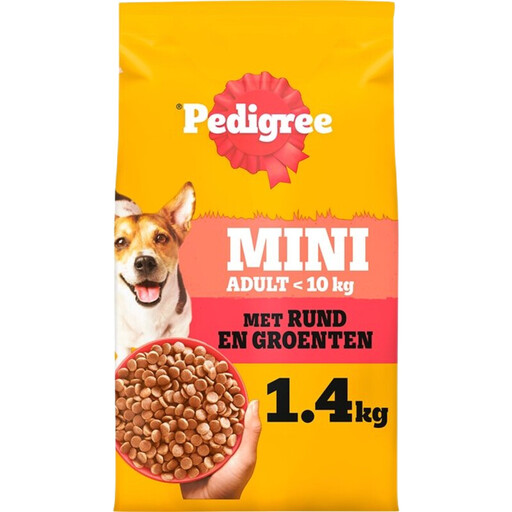
Why it suits this profile: A 1.4 kg pack is practical when you first want to see how your small adult dog responds to the food. The product information states that the kibble is for dogs weighing up to 10 kg and includes feeding guidelines by weight.
The composition and analytical values are listed, including 22% protein and 13% fat. This allows you to check your choice rather than relying solely on the flavour name.
Small kibble; clear daily quantities for 1 to 10 kg; suitable as dry food for small adult dogs according to the product information.
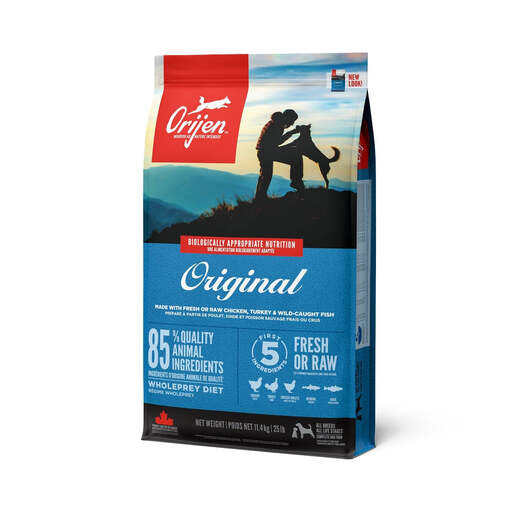
Why it suits this profile: For owners who value a detailed ingredients list and a higher protein content. The product information states 38% crude protein, 18% fat and several animal-derived ingredients.
The composition lists specific percentages, analytical constituents and feeding quantities by weight. This makes the marketing language easier to compare with other dog foods.
11.4 kg pack; 38% crude protein according to the label; product information states that it is suitable for all life stages.
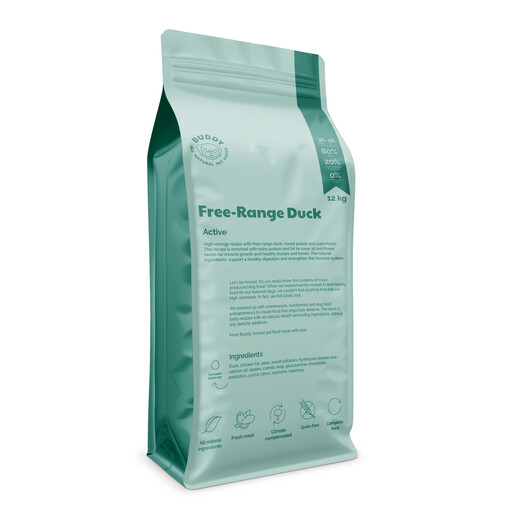
Why it suits this profile: The product description is aimed at large, active and working dogs. According to the listing, the round, flat kibble measures approximately 1.2 to 1.6 cm.
The large pack size and recipe containing listed animal-derived ingredients are better suited to daily use in larger portions than a small trial bag.
12 kg pack; 80% animal-derived ingredients according to the product information; grain- and gluten-free according to the brand description.
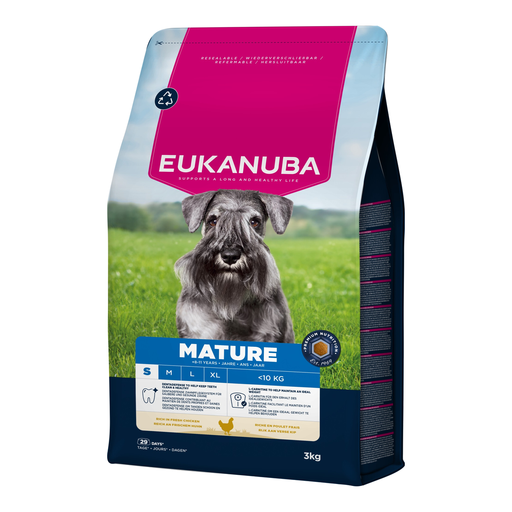
Why it suits this profile: According to the product description, this variant is intended for small adult dogs aged 8 to 11 years. The kibble shape and size are designed for small dogs.
The age and size information helps prevent you from simply choosing adult food for an older small dog. The product information also mentions a fibre blend containing FOS and beet pulp.
3 kg pack; chicken listed as the main ingredient; complete and balanced for small older dogs according to the brand description.
We have put together a complete, up-to-date list of products that fully meet these strict selection criteria and the applicable European safety regulations.
Use the guideline on the packaging as a starting point, then consider your dog’s weight, age, activity level and body condition. An active dog may need more than a calm dog. Ideally, weigh out the portion rather than measuring it by eye.
Mix the new food gradually with the old one. Several product descriptions recommend a transition period of around seven to ten days. Gradually increase the proportion of the new kibble and monitor your dog’s stools and appetite.
Store the bag in a cool, dry place, seal it airtight and follow the best-before information on the packaging. Do not buy a larger bag than you can use within a reasonable period. A smaller household may save money with a smaller pack, even if the price per kilo is higher.
