
Vandaag of morgen in huis

Kwaliteit gegarandeerd

Welkomstaanbiedingen ontgrendelen: GRATIS bezorging | Tot 80% korting | Gratis 30 dagen JoyPlus-proefperiode
Download de app
A bag of dog food with chicken, vegetables or eye-catching nutritional claims can seem like an obvious choice. However, an attractive front label says little about whether it is suitable for your dog. Age, body size, activity level and the composition listed on the label matter much more.
In this buying guide, you’ll learn what to look for in dry dog food, which claims to assess critically and which products suit different types of dog owners in the Netherlands.
“Dog food with chicken” does not automatically mean that chicken is the main ingredient. Check the ingredients list and pay attention to the order. Some products, for example, prominently display “chicken” on the packaging, while cereals or plant-based ingredients together make up a large part of the recipe.
Terms such as “natural”, “premium dog food” and “rich in meat” should also be considered alongside the actual percentages. According to the manufacturer’s own information, Acana Classics Grasslands contains 50% animal ingredients. The ingredients list includes 25% chicken meal, 25% oats and 8% fresh chicken.
Grain-free dog food contains no cereals, but that does not automatically make it more suitable for every dog. Grain-free recipes may use other sources of carbohydrates, such as sweet potato, peas or pulses. So look at the full composition rather than relying solely on the “grain-free” label.
If you suspect a food intolerance, it is advisable to consult a vet first. An adapted diet should be based on your dog’s individual circumstances, not just on a marketing claim.
Puppy food, adult dog food and senior dog food are not interchangeable. A growing puppy has different nutritional needs from an adult dog. Also check whether the food is intended for small, medium-sized or large breeds.
The feeding table on the packaging is a guideline. The right quantity also depends on exercise, body condition and treats. A large pack is only good value if your dog tolerates the food well and it is used before its best-before date.
Look for the legally required designation on the label, such as “complete pet food for adult dogs” or “complete pet food for all life stages”. Complete and balanced dog food is intended as a daily main meal when you follow the recommended quantities.
Also pay attention to the intended group:
The analysis on the packaging lists, among other things, crude protein, fat, crude fibre, crude ash and moisture. These percentages are useful for comparing products, but they do not by themselves tell you whether a recipe is right for your dog.
For example, an active dog may need a different energy intake from a calm house dog. So consider the combination of composition, calorie information – if provided – and your dog’s condition.
When switching to a new brand, make the change gradually, usually over seven to ten days. Mix a little more of the new food into the old food each time. This helps prevent an abrupt change to your dog’s daily diet.
Store dry dog food in a cool, dry place. Seal the bag properly after every use and check the best-before date on the packaging. Always provide a bowl of fresh drinking water.
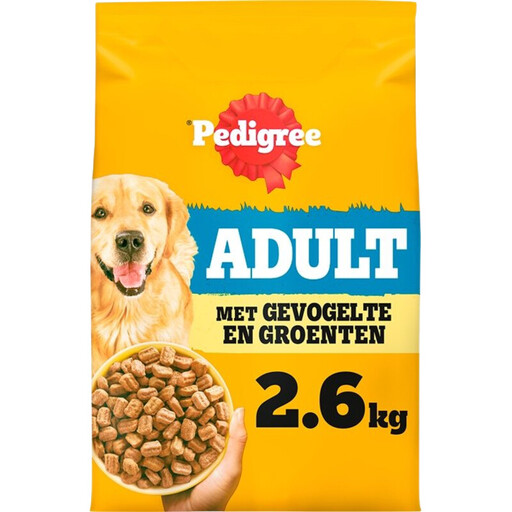
Why it suits this profile: A practical choice for anyone looking for a standard complete dry food for an adult dog and wanting to measure out portions easily.
The product information states that this is a complete dry food for adult dogs and recommends a gradual changeover over seven days.
20% protein, 9% fat and a stated energy value of 353 kcal per 100 grams.
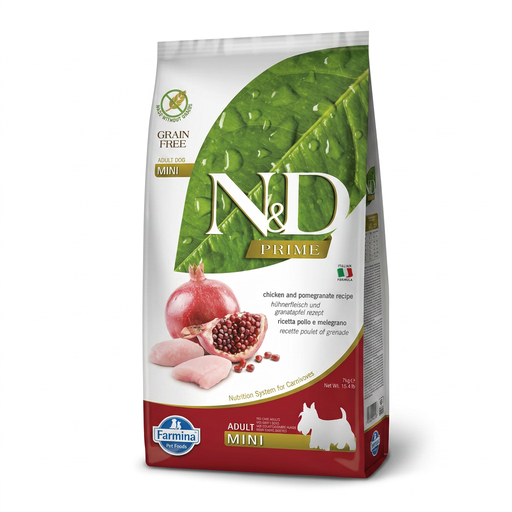
Why it suits this profile: Designed for owners of adult small dogs who are looking for a grain-free formula and kibble specifically developed for small breeds.
The intended group is clearly described as adult small dogs. The grain-free composition means you do not have to rely solely on the front of the packaging.
26% fresh chicken, 25% dehydrated chicken, 34% crude protein and a stated 1,200 mg/kg of glucosamine.
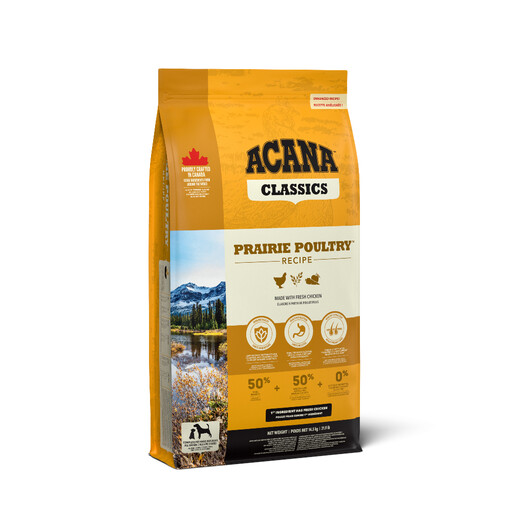
Why it suits this profile: The large bag is suitable for households with a larger or active dog that eats dry food every day.
The product details show percentages and analytical values, allowing you to compare claims about animal ingredients with the label.
27% crude protein, 16% fat, oats as an ingredient and a stated amount of 300 mg/kg of glucosamine.
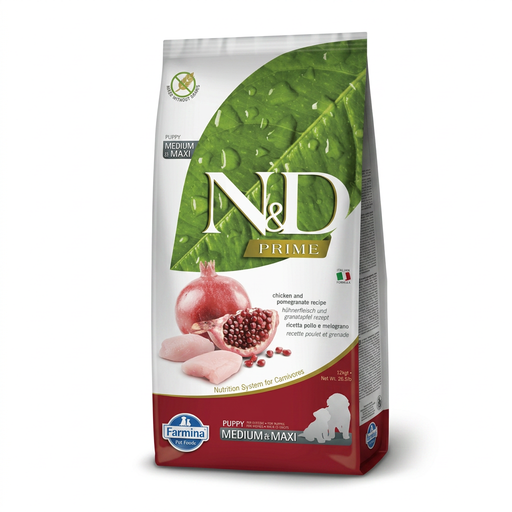
Why it suits this profile: The product information is aimed at puppies of medium-sized and large breeds, with a detailed feeding table based on body weight.
The packaging recommends a gradual changeover and provides feeding guidelines based on weight and activity. Check the life stage on the bag before buying.
The analytical information lists at least 34% crude protein, 18% fat and a bag size of 12 kg.
We’ve put together a complete, up-to-date list of products that fully meet these strict selection criteria and the applicable European safety regulations.
When choosing dog food for weight management, do not focus solely on the word “light”. Check the fat content, energy value and feeding guidelines. According to the product information, Beneful Healthy Weight contains 20% less fat than the original Beneful recipe. The packaging recommends adjusting portions according to activity and body condition.
Reducing the amount of food is not always the right solution. Include treats in your calculations and use your dog’s condition as a practical guide. If your dog’s weight changes noticeably or you have concerns about its diet, consult a vet.
Gradually mix the new food into the old food. Start with a small proportion of new food and increase it over seven to ten days. Follow the instructions on the packaging and monitor how your dog responds.
This varies by brand and packaging. Store the bag in a cool, dry place, seal it properly and follow the best-before information on the label. Do not buy a larger pack than you can use within a reasonable period.
No. Compare the legal product name, life stage, ingredients, analytical constituents, feeding table and pack size. A cheaper product may suit one dog, while another may need a recipe designed for a specific age or breed size.
