
Vandaag of morgen in huis

Kwaliteit gegarandeerd

Welkomstaanbiedingen ontgrendelen: GRATIS bezorging | Tot 80% korting | Gratis 30 dagen JoyPlus-proefperiode
Download de app
Dry, frizzy or damaged hair does not automatically require a whole shelf full of products. The right choice depends on the cause of the problem, your hair type and how often you wash or treat your hair. With a practical routine, you can search more purposefully for hydrating hair care, a conditioner for damaged hair or a hair mask for dry hair.
When buying, focus particularly on what a product demonstrably contains and what it is intended for according to the product description. Terms such as “repair”, “bond” and “keratin” may sound appealing, but on their own they do not tell you how much care your hair needs.
Rich masks and oils can work well for thick, coarse or highly porous hair. On fine hair, however, silicones, oils and film-forming ingredients can make it feel limp more quickly. So pay attention to the texture and recommended frequency of use. A lightweight conditioner may be more suitable for everyday use, while a mask once or twice a week may be sufficient.
A repairing shampoo or conditioner can leave hair feeling smoother, easier to comb and well cared for. It does not literally rebuild damaged lengths. Claims about bond-building, keratin or reduced breakage are brand claims. The relevant brand’s own research may associate them with specific results; do not treat them as a guarantee for every user.
A large bottle is not always better value if you only need a small amount or the product is not suitable for your hair. Compare volume, frequency of use, ingredients and application. For example, a 25 ml product may be useful as a trial or travel size, while a 1,500 ml bottle is more suitable for a household or salon.
Dry hair often benefits from ingredients such as glycerine, panthenol, oils and conditioning agents. Silicones or other film-formers are also commonly used to improve smoothness and reduce frizz. This is not inherently good or bad: it depends on your preferences, curl pattern and the way you wash your hair.
Use an anti-frizz hair oil or leave-in hair serum mainly through the lengths and ends. Start with a small amount. Too much oil can make hair look heavy or greasy.
When choosing hair care for coloured hair, it is useful to check whether the product is explicitly described as suitable for coloured or bleached hair. Olaplex No. 5, for example, states that it is suitable for bleached and coloured hair and is sulphate-free. These are verifiable product details, but they do not predict exactly how your hair will react.
Also check the ingredients list for allergens such as fragrance ingredients, limonene or linalool. If you have experienced irritation before, test the product carefully and stop using it if a reaction occurs. Products are intended for external use only; avoid contact with the eyes.
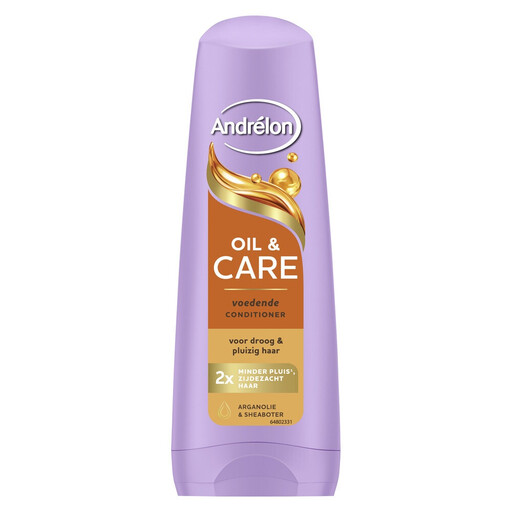
Why it suits this profile: This conditioner is designed for dry and frizzy hair and is easy to incorporate into a normal washing routine. The 200 ml size is a manageable option if you want to try out what works for your hair first.
The product description mentions argan oil, shea butter and use on dry hair. This makes it clearer what you are buying the conditioner for than a general “repair” claim would.
200 ml; intended for dry hair; contains argan oil and shea butter; according to the product information, vegan and paraben-free.
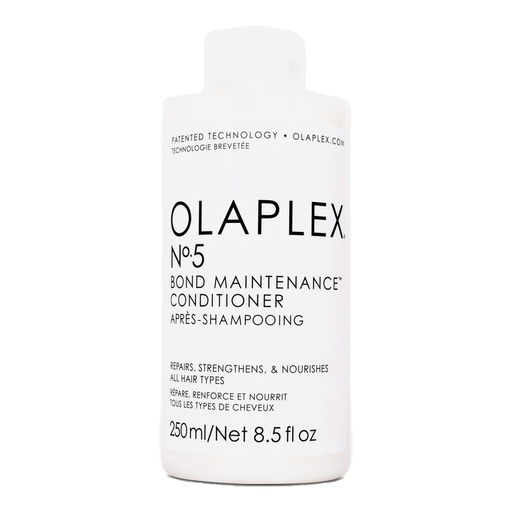
Why it suits this profile: A compact conditioner for adults who want to build a complete care routine for dry, damaged, coloured or bleached hair.
The packaging states the product type, variant, volume and suitable hair types. This makes it easier to compare specifications than relying solely on the brand’s appearance.
250 ml; cream formula; according to the product information, vegan, colour-safe, sulphate- and paraben-free; intended for hydration and care.
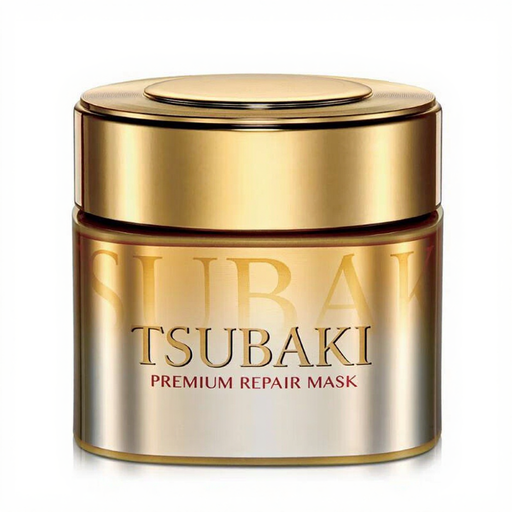
Why it suits this profile: A hair mask for dry hair that fits a weekly routine for dry, chemically treated or coloured hair.
The instructions recommend using it once or twice a week and leaving it on for 5 to 10 minutes. This helps prevent an intensive formula from being used as a daily conditioner.
180 g; mask formula; according to the product information, sulphate- and paraben-free; contains, among other ingredients, camellia seed oil and hydrolysed soy protein.
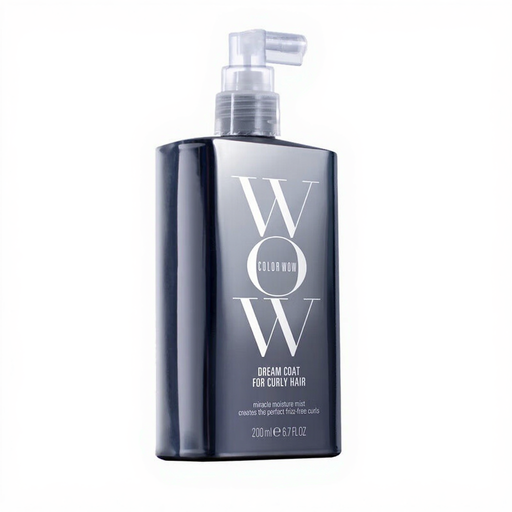
Why it suits this profile: Designed for people with curly hair who want to support greater definition, easier combing and less frizz alongside hydration.
This is a spray to use after shampoo and conditioner, not a replacement for a conditioner or mask. The instructions also recommend heat activation for the desired effect.
200 ml; spray for curly hair; lightweight formula according to the product description; can be used with a diffuser.
We have put together a complete, up-to-date list of products that fully meet these strict selection criteria and the applicable European safety regulations.
Once a week is usually a sensible starting point. For very dry or chemically treated hair, twice a week may be suitable, provided your hair does not feel heavy or limp. Always follow the instructions on the packaging.
Products containing keratin or hydrolysed proteins are often marketed for dry and damaged hair. Suitability depends on your hair texture and the rest of your routine. On fine hair, too much protein or a rich formula can make it feel coarse. So check the complete ingredients list and start by using the product sparingly.
That depends on how many steps you need. A basic routine consists of shampoo and conditioner. Only add a mask, anti-frizz hair oil or leave-in hair serum if your hair needs it. Compare the price per millilitre or gram and pay attention to the recommended amount per use. This helps prevent a large professional hair care product from sitting unused.
