
Vandaag of morgen in huis

Kwaliteit gegarandeerd

Welkomstaanbiedingen ontgrendelen: GRATIS bezorging | Tot 80% korting | Gratis 30 dagen JoyPlus-proefperiode
Download de app
Dry, frizzy or damaged hair does not automatically require a cupboard full of products. The right combination depends on your hair type, the extent of the damage and your daily habits. Anyone who regularly blow-dries, straightens, colours or bleaches their hair will have different needs from someone whose main concern is dry ends.
When choosing hair care for dry and damaged hair, there are three common pitfalls:
Confusing marketing claims with guaranteed results
Words such as “repair”, “restore” and “protect” sound convincing, but they do not always tell you exactly what to expect from your hair. A cosmetic product may, for example, make your hair feel smoother or give it more shine. That does not mean split ends will be permanently repaired.
Looking only at the shampoo
A shampoo for damaged hair mainly cleanses the scalp and hair. For softness, easier combing and less frizz, conditioner or a hair mask often plays a more important role. A standalone shampoo is therefore not always enough for a complete routine.
Ignoring ingredients that do not match your preferences
Looking for a sulphate-free shampoo, silicone-free hair care or products for coloured hair? Check the current ingredients list on the packaging. Formulas can change, and product information in an online shop is not always a substitute for the label.
For dry hair, a gentle cleanser can be pleasant, especially if you wash your hair frequently. According to the product information, the Andrelon Pro Nature Shea Shampoo – 400 ml is offered as sulphate- and silicone-free. The formula contains ingredients including shea butter, coconut oil and glycerine, and states that 94% of its ingredients are of natural origin.
This makes the shampoo an interesting option for anyone looking for a sulphate-free shampoo. Do bear your own hair and scalp in mind: a gentle formula may be less suitable if you use lots of styling products or oil and regularly need a more thorough cleanse.
Apply conditioner for dry hair mainly to the lengths and ends, rather than routinely to the scalp. Check for nourishing ingredients such as glycerine, fatty alcohols, oils, proteins or silicones. None of these groups is automatically good or bad; what matters is how they work with your hair.
According to the product description, the Olaplex Bond Maintenance Conditioner No. 5 is designed to hydrate and care for all hair types, including coloured and bleached hair. The product specifications state that it has a sulphate-free formula, a vegan claim and a 250 ml capacity. Anyone who prefers to avoid silicones should be aware that the ingredients list includes several silicones.
A hair mask for dry and frizzy hair is usually richer than a daily conditioner. Use a mask once or twice a week, for example, and adjust the amount according to your hair’s length and thickness. Too much product can weigh fine or thin hair down.
The Shiseido Fino Premium Touch Hair Mask contains 230 ml and, according to the product information, is recommended for dry, frizzy and damaged hair. The stated ingredients list includes dimethicone and amodimethicone, among others. Anyone specifically looking for silicone-free hair care will see in the product specifications that this mask does not meet that requirement.
The recommendations below are linked to verifiable features such as capacity, product type, frequency of use and listed ingredients. They are not a substitute for personalised advice if you have persistent scalp problems or significant hair loss.
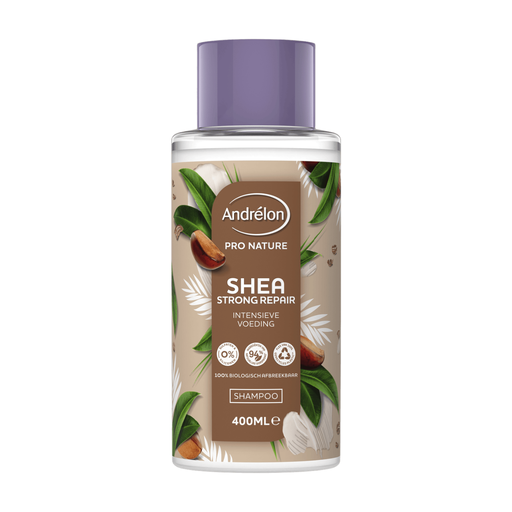
Why it suits this profile: A straightforward choice for anyone wanting to add a daily essential to their hydrating hair-care routine without buying a complete set straight away.
The product specifications state 0% sulphates and silicones, allowing you to check this preference in advance rather than relying solely on marketing language.
400 ml capacity; shea butter and coconut oil in the stated ingredients list; 94% ingredients of natural origin according to the product information.
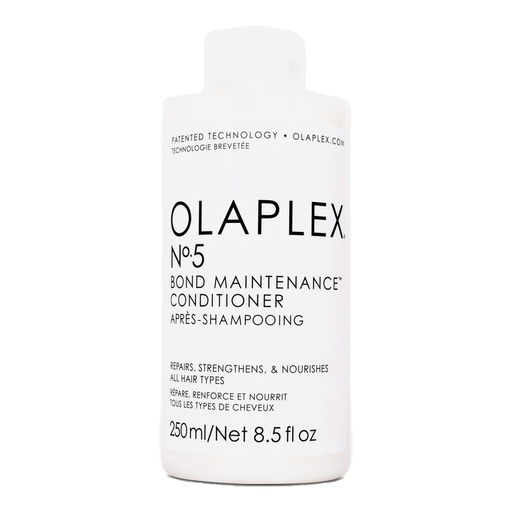
Why it suits this profile: Suitable for anyone primarily looking for a conditioner for dry, coloured or chemically treated hair and willing to choose a more targeted product.
The formula and target audience are clearly described. However, check the ingredients list if you want to avoid silicones or certain fragrances.
250 ml; suitable for all hair types according to the product information; stated claims include sulphate-free, vegan and colour-safe.
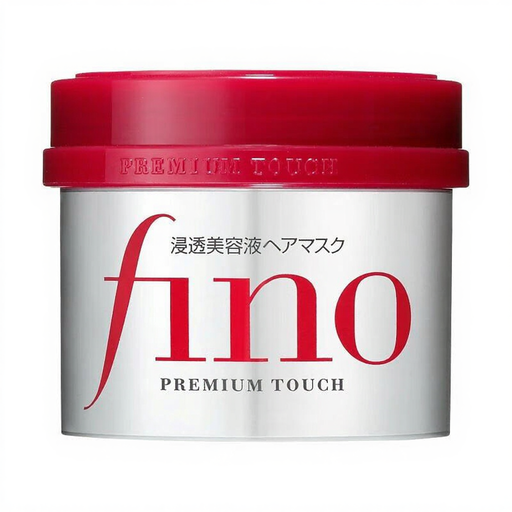
Why it suits this profile: A practical option for anyone wanting to use an intensive treatment once or twice a week for dry, frizzy or damaged hair.
The recommended frequency is specific: use the mask once or twice a week instead of conditioner. This helps prevent overuse.
230 ml; designed for all hair types; stated use for dry, frizzy and damaged hair; shelf life after opening listed as 12 months.
A leave-in product such as a hair oil or cream is particularly useful for daily use between washes. How it should be applied varies by formula: some products are suitable for towel-dried hair, while others can also be used on dry hair. Always follow the instructions on the packaging.
We have put together a complete, up-to-date list of products that fully meet these strict selection criteria and the applicable European safety regulations.
Start with a suitable shampoo, use conditioner after every wash and add a hair mask weekly. An oil or leave-in hair treatment can help the ends feel smoother. Adjust the amount according to your hair’s length and thickness.
For many masks, once or twice a week is the recommended guideline. An intensive mask usually replaces conditioner on that wash day. Always check the instructions, as application time and frequency vary from product to product.
This depends on the capacity, the number of washes and the amount used each time. Check the expiry information on the packaging and the symbol indicating the period after opening, such as 12M. Keep products tightly closed and follow the manufacturer’s storage instructions.
