
Vandaag of morgen in huis

Kwaliteit gegarandeerd

Welkomstaanbiedingen ontgrendelen: GRATIS bezorging | Tot 80% korting | Gratis 30 dagen JoyPlus-proefperiode
Download de app
Dry cat food is easy to store, simple to measure out and often suitable as an everyday meal. Still, choosing between different kibble, flavours and specialist options can be tricky. Eye-catching packaging or a product claim doesn’t always tell you enough about what’s inside.
When choosing, focus on your cat’s age, the nutritional value, the daily feeding guidelines and the ingredients. Below, you’ll find some common pitfalls to watch out for and products to suit different needs.
A pack might prominently feature “chicken” or “fish”, for example. So check the ingredients list. Felix Double the Tasty Beef and Chicken, for instance, states that the product contains 1.7% beef and 1.7% chicken. In this case, the name mainly refers to the flavour variety, not a high meat content.
Felix Seaside Sensations features salmon and mackerel in specific kibble pieces. The ingredients list states that it contains 1.8% dried salmon and 1.9% dried mackerel. This is useful information when comparing fish-based cat food.
Food for neutered cats, indoor cats or cats with sensitivities is tailored to particular dietary needs. That doesn’t mean every product is suitable for every cat with issues such as excess weight, recurring urinary problems or persistent digestive discomfort.
If your cat has a diagnosed condition, follow your vet’s dietary advice. A brand’s product claim is not a personal diagnosis or treatment recommendation.
A larger pack may cost less per kilogram, but dry food gradually loses its aroma and freshness once opened. Choose a pack size your cat will get through within a reasonable period. Store kibble in a sealed container in a cool, dry place, out of direct sunlight.
Kittens need different food from adult cats. Kitten food generally contains nutrients and energy levels suited to the growth stage. According to the product description, Felix Double as Nice Junior Chicken, Turkey & Milk is intended for kittens aged 6 to 52 weeks. Purina One Junior is, according to the manufacturer, formulated for kittens from weaning to 12 months, as well as pregnant or nursing cats.
For adult cats from around one year old, there are varieties such as adult cat food with chicken, salmon or beef. For cats aged seven and over, senior cat food such as Purina One Senior Chicken & Whole Grain Formula is specifically labelled for cats aged 7 and over.
Check whether the packaging says the product is complete cat food. Complete and balanced cat food is intended to be served as an everyday meal, following the feeding guidelines. Also check the analytical constituents, such as protein, fat, crude fibre, crude ash and moisture.
For comparison:
A higher protein percentage doesn’t automatically make a product right for your cat. Always consider age, activity level, body condition and the feeding guidelines.
When choosing cat food with chicken or fish, the ingredients list matters more than the front of the bag. Cats with sensitive digestion may benefit from a simpler recipe, but first check which ingredients your cat has struggled to tolerate in the past.
Purina One Sensitive Adult Turkey & Rice Formula lists turkey as its first ingredient and contains no added wheat. According to Purina research, the product can help some cats produce firmer, less smelly stools. This is a brand claim, not a guarantee for every cat.
Farmina N&D Quinoa Cat Digestion Lamb is one example of grain-free cat food. Its ingredients list includes lamb, herring meal, quinoa and peas. Grain-free doesn’t automatically mean a product is suitable for every cat with sensitivities; other protein sources may also play a part.
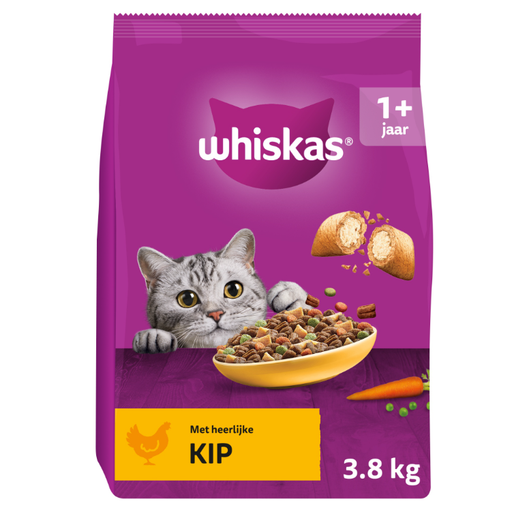
Why it suits this profile: The 3.8kg bag is practical for households with an adult cat that eats the same food every day.
The product description says it is suitable for cats aged 1 and over and describes it as complete and balanced. Be sure to check the portion guide on the packaging.
Large pack, intended for adult cats and, according to the description, with no added colourants or preservatives.
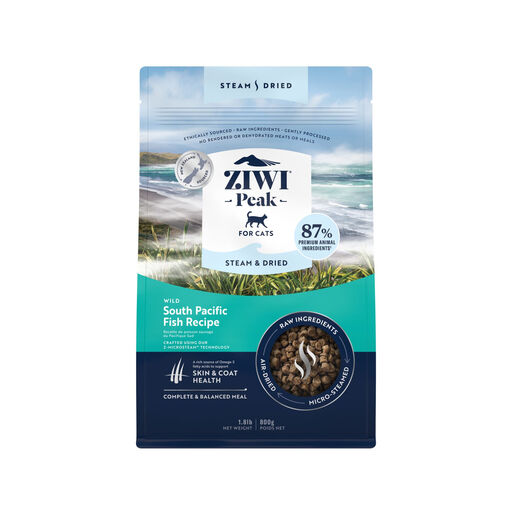
Why it suits this profile: A good choice if you’re looking for a fish recipe with a high stated proportion of animal ingredients and are prepared to compare the ingredients carefully.
The product information lists the fish species and analytical values separately, including a minimum of 40% protein and a maximum of 12% moisture.
Fish is the main focus of the recipe, taurine is listed in the analysis, and it comes in an 800-gram pack.
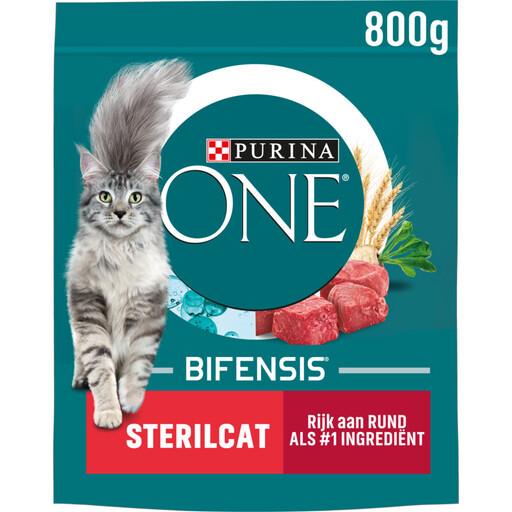
Why it suits this profile: Formulated for adult neutered cats, for whom portion control and an appropriate nutritional profile are important.
The packaging gives separate daily amounts for different body weights. This helps you avoid relying solely on the food bowl or your cat’s appetite.
37% protein, 13% fat and a recipe containing beef, poultry proteins and grains, according to the product information.
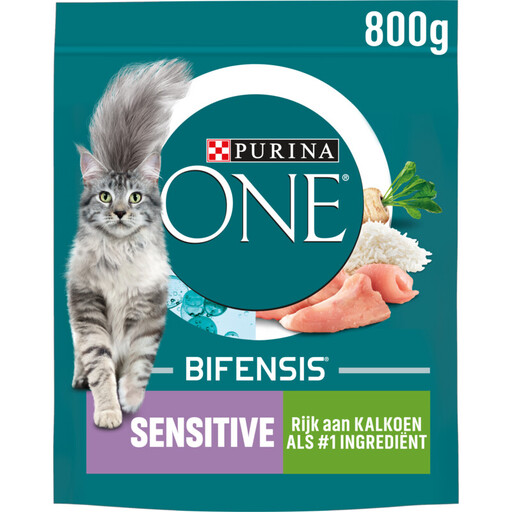
Why it suits this profile: A targeted option for adult cats whose owners want to try a recipe with no added wheat.
The product description lists turkey as the first ingredient and specifically states that no wheat is added. If your cat has allergies, always check the full, current packaging.
Turkey and rice are the main ingredients in this variety, which is intended for adult cats with sensitive digestion.
We’ve put together a complete, up-to-date list of products that meet these strict selection criteria and the applicable European safety regulations.
Gradually mix the new food with your cat’s current food, for example over five to seven days. Start with a small amount and increase it if your cat tolerates it well. Keep an eye on their appetite, stools and body condition. Always provide fresh drinking water; this is especially important with dry food.
Weigh out the daily portion if possible. Feeding guidelines on the bag are just that – guidelines – and should be adjusted according to your cat’s weight, activity level and body condition. Treats count towards their total energy intake.
Yes, as long as the packaging states that it is complete food for the relevant life stage. Serve the recommended portion and always provide fresh drinking water. Some cats do better with a combination of dry and wet food.
Follow the information on the packaging. Seal the bag securely after each use and store it in a cool, dry place. Avoid buying a larger pack than your cat can get through within a reasonable period, especially if the bag will be opened frequently.
It depends on the cause. A variety for sensitive cats may be an option, but persistent diarrhoea, vomiting, weight loss or urinary problems should be discussed with a vet. Compare the ingredients and always switch gradually.
