
Vandaag of morgen in huis

Kwaliteit gegarandeerd

Welkomstaanbiedingen ontgrendelen: GRATIS bezorging | Tot 80% korting | Gratis 30 dagen JoyPlus-proefperiode
Download de app
Dry cat food seems easy to compare: choose a flavour, check the weight and place your order. Yet cat owners often pay too much for a product that isn’t well suited to their cat’s age, activity level or nutritional needs.
Three common pitfalls to watch out for:
Start with your cat’s age and lifestyle. For kittens, look for kitten food that’s suitable from weaning until the stated age, usually around twelve months. Adult cat food is intended for cats from around one year old. For cats aged seven and over, there are formulas specifically marketed as senior food.
Your cat’s living environment matters too. Indoor cat food is formulated for cats that live mainly indoors. Neutered cats may benefit from a formula with adjusted energy and mineral levels. Always check the label; a brand’s product claims are no substitute for individual nutritional advice.
Look for the designation complete pet food for the right animal and life stage. Also check the analytical constituents:
A high protein percentage doesn’t automatically make a product suitable for every cat. If your cat has urinary problems, kidney disease, food sensitivities, or noticeable changes in drinking or urination, it’s a good idea to speak to your vet. Don’t choose food for a medical condition based on marketing claims.
Ingredients are generally listed in descending order by weight. Don’t just look at the front of the bag; check the full ingredients list too. In cat food with chicken or fish, for example, the named ingredient may make up only a small percentage.
Follow the feeding guide on the packaging and adjust the amount to suit your cat’s body condition and activity level. Always provide fresh drinking water. Store cat food in a cool, dry place, seal the bag securely and, ideally, use an airtight storage container. Gradually mix the new food with the old over several days to help prevent sudden digestive problems.
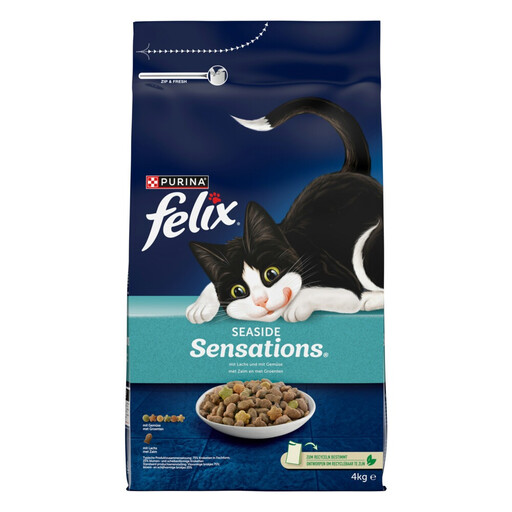
Why it suits this profile: A practical choice if you have an adult cat and are looking for a larger bag with a fish flavour. The product description mentions salmon and mackerel, and says the food is complete and balanced.
The ingredients list gives specific percentages for the dried fish ingredients. This helps you assess the flavour claim more accurately than looking at the packaging alone.
4 kg pack; intended as complete food for adult cats; according to the product information, no added artificial colourings.
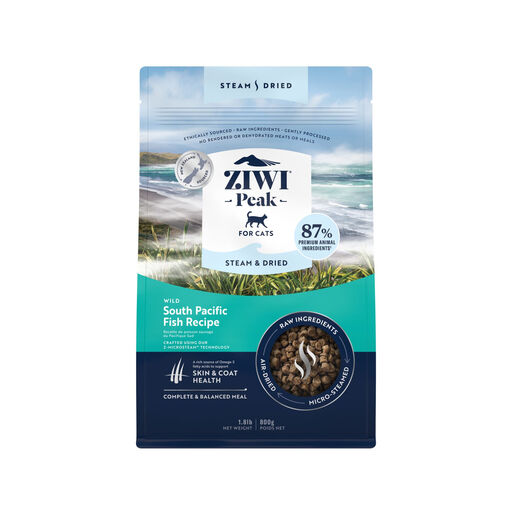
Why it suits this profile: Aimed at cat owners looking for a fish formula with a detailed ingredients list and a relatively high analytical protein value.
The product information provides a full analysis, including at least 40% crude protein and no more than 12% moisture. Do check the packaging for the latest feeding guide.
Fish is the main ingredient in the product description; labelled as complete and balanced food; includes taurine and added vitamins.
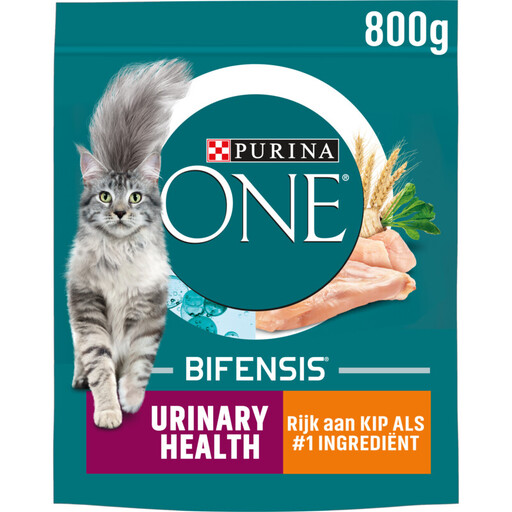
Why it suits this profile: Intended for adult cat owners specifically looking for food to support urinary health. According to the product information, the formula contains 17% chicken and 34% crude protein.
The mineral balance and nutritional analysis are provided, so you don’t have to rely on the word “urinary” alone. If your cat has symptoms, advice from a vet is still essential.
800 g pack to try first; at least 32% crude protein according to the product page; recommended daily amounts listed by body weight.
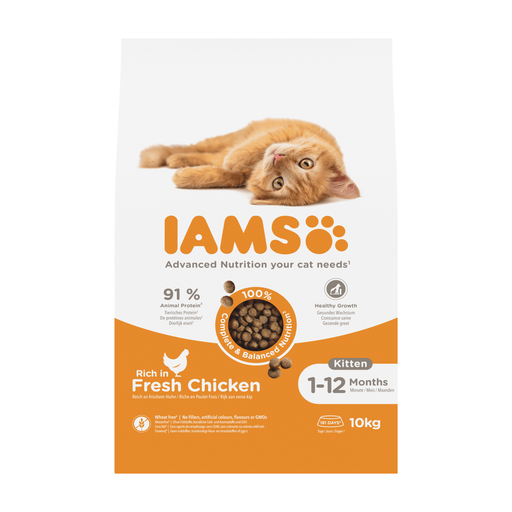
Why it suits this profile: A large pack for households with a kitten or several young cats, provided they take to the food and it’s stored carefully.
The formula is clearly labelled as kitten/junior food. That means you can check it’s right for your cat’s life stage before comparing the price per kilo.
10 kg pack; chicken flavour; the product description mentions DHA, taurine and a fibre blend with prebiotics and beet pulp.
We’ve put together a complete, up-to-date list of products that meet these strict selection criteria and the applicable European safety regulations.
It varies by product and packaging. Seal the bag securely after each use and store it in a cool, dry place away from direct sunlight. Check the best-before date and the instructions on the label. An airtight storage container can help keep out moisture and odours.
The right amount depends on your cat’s body weight, age and activity level, as well as whether they also eat wet food or treats. Use the feeding guide on the bag as a starting point and check your cat’s body condition regularly. You may need to adjust the portion if their weight changes.
A product labelled complete dry cat food is intended, according to the product information, to provide a complete daily diet for the stated life stage. Always make sure your cat has fresh drinking water. If your cat has a medical condition or is on a prescribed diet, speak to your vet first.
