
Vandaag of morgen in huis

Kwaliteit gegarandeerd

Welkomstaanbiedingen ontgrendelen: GRATIS bezorging | Tot 80% korting | Gratis 30 dagen JoyPlus-proefperiode
Download de app
The pet food aisle can be overwhelming. Dozens of brands promise the best for your cat, with gleaming packaging and claims that often seem too good to be true. As a pet owner, you want to make the right choice, but how do you navigate this marketing jungle? Buying pet food online makes the selection even larger.
Before you place a bag of dry cat food in your shopping cart, it's wise to consider a few common pitfalls. Many owners unnecessarily pay for clever marketing rather than for actual nutritional value.
Grain-free pet food is a popular trend, but not every cat needs it. Some cats digest grains perfectly well and can even benefit from the fibre. A grain allergy is relatively rare. The focus should be on the overall nutritional balance, not on blindly avoiding one ingredient group.Kitten food, for example, contains more calories and specific nutrients for growth. A generic kibble for "all life stages" is often a compromise that isn't optimal for any single stage.To avoid a bad purchase, you can focus on a few objective characteristics. These specifications on the packaging provide a clearer picture of what you're buying.
Cats are carnivores and require animal-based proteins. Look at the first few items on the ingredients list. Are specific meat sources like chicken, salmon, or beef listed? That's a good sign. A high percentage of animal protein supports muscle development and overall health. Brands like Iams cat food often specify the percentage of animal protein in their products.
A cat's nutritional needs change throughout its life.
kitten food with high protein content and nutrients like DHA for brain and vision development.food for sterilised cats often has an adjusted fat content and a balanced mineral composition.Good dry cat food contains more than just protein and fats. Look for the presence of:
Whether you're looking for dry cat food or dry dog food, the principle remains the same: read the label and choose a food that fits your pet's unique needs.
To help you get started, we've highlighted a few products that fit different cat owner profiles.
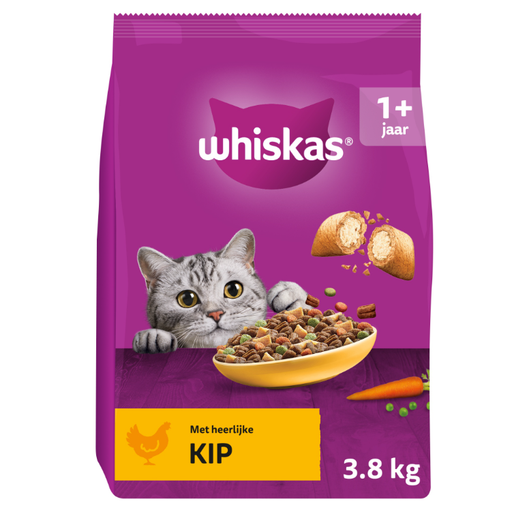
Why This Fits Their Persona: An affordable and complete food for adult cats. Ideal for owners looking for a reliable brand without the premium price tag.
This product is specifically formulated for adult cats (1+), avoiding the "one-size-fits-all" pitfall. The information is clear and focuses on core needs.
Contains balanced minerals to support the lower urinary tract and zinc for healthy skin and a shiny coat.
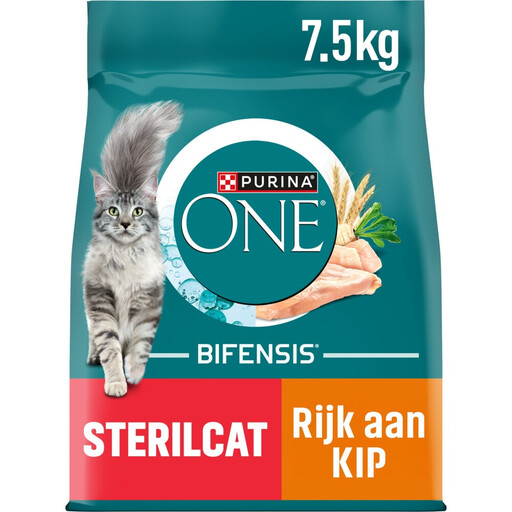
Why This Fits Their Persona: Perfect for owners of sterilised or neutered cats who want to proactively manage weight and urinary tract health.
This isn't a generic kibble. It's specifically developed for the metabolic changes that occur after sterilisation, a need that is often overlooked.
Features a higher protein-to-fat ratio to support weight management. According to Purina, it also helps reduce tartar buildup.
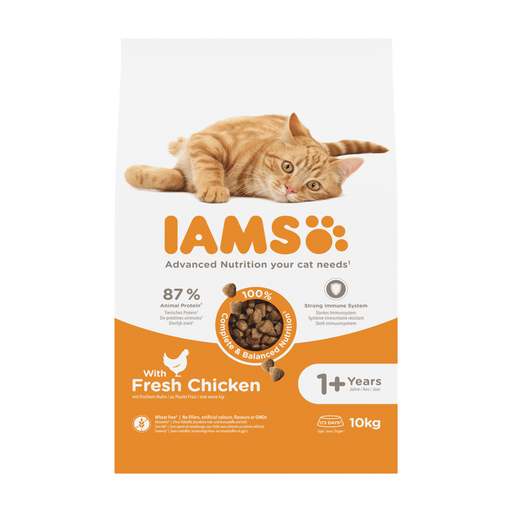
Why This Fits Their Persona: For the owner who prioritises a high animal protein content and a formula designed to support the natural needs of a carnivore.
Iams is transparent about its high percentage of animal protein (87% according to the brand). This counters the pitfall of misleading packaging with low meat content.
Contains an antioxidant blend with vitamin E to support the immune system, plus omega-3 & 6 for healthy skin and a shiny coat.
We have curated a complete and up-to-date overview of products that meet these selection criteria and current regulations.
A sudden change in diet can cause gastrointestinal upset. Over a period of 7 to 10 days, gradually mix the new dry cat food with the old food. Start with 25% new food and increase the proportion every few days until your cat has fully transitioned.
The correct portion size depends on your cat's age, weight, activity level, and the specific food you are providing. Every package includes a feeding guide, which is a good starting point. Monitor your cat's weight and adjust the amount as needed.
Not necessarily. Grain-free pet food is primarily important for cats with a diagnosed grain allergy or intolerance. For most cats, the quality of the protein source and the overall nutritional balance are more important than the presence or absence of grains. When in doubt, consult your veterinarian.
