Who is this buying guide for?

Editor working alongside colleagues

If you edit drum takes in a shared workspace, you need to consider both conversations and sound leaking out to others. A closed-back model is worth trying at your own desk: independent RTINGS reviews note limitations in office noise isolation and sound leakage.

Drum editor checking fine detail

If you mainly check the kick, cymbals and small editing errors, you could consider using a second reference setup as well as listening in the office. Shure lists frequency response as one of the factors to consider when choosing studio headphones.

Editor working through long sessions

If you often switch between takes, consider the fit, cable routing and replaceable parts. Options vary by model: beyerdynamic, for example, lists replaceable ear pads for the DT 770 PRO, while Shure describes the SRH840A as having a detachable cable.

What should you look for?

Closed-back wired model

Suitable for: editing in the same room as colleagues, when you want to compare a fixed connection with an enclosing design.

Bear in mind: closed-back ear cups don’t guarantee a quiet workspace. RTINGS reports model-specific limitations for options including the AKG K371 and Audio-Technica ATH-M50x.

Open-back wired reference model

Suitable for: listening separately to balance and positioning in a quiet place where sound escaping from the headphones isn’t a problem.

Bear in mind: Sennheiser describes the HD 490 PRO as offering a spacious sound, but an open-back design lets sound through and isn’t automatically suitable for use alongside colleagues.

Drum monitor for loud recordings

Suitable for: monitoring while drumming or during loud recordings as well as editing; beyerdynamic positions the DT 770 M for percussionists.

Bear in mind: beyerdynamic specifies 35 dBA attenuation and a firm clamping force for the DT 770 M. These manufacturer specifications don’t tell you whether the fit will be comfortable during long editing sessions.

Factor to consider What should you check? Who is this important for?
Noise isolation and sound leakage Ask someone at the neighbouring desk to listen while you use your intended volume, and check whether you can still hear conversations. RTINGS reports model-specific differences and limitations. If I work in the same room, I want to hear drum details without disturbing colleagues or constantly missing conversations. Around 36% of consumers prioritise isolation and leakage.
Assessing drum detail Compare familiar drum passages at the same comfortable volume, and check important decisions using another listening setup too. If I need to assess the kick, cymbals and small edits, I want to know whether I can pick out those details at my desk. Around 29% of consumers prioritise checking detail.
Fit during long sessions Try the headphones with any glasses you wear and check that both ear cups fit properly. During long editing sessions, I want headphones that feel comfortable and fit well. Fit is the top priority for around 21% of consumers.
Cable, connection and maintenance Check the output on your interface or computer, the adapter and cable supplied, and whether replacement parts are compatible with the exact model. If I want to connect my headphones or replace parts, I check these details before buying. Around 14% of consumers prioritise connection and maintenance.

Common buying pitfalls

  • Assuming ‘closed-back’ means nobody will hear anything

    Closed-back studio models can still leak sound or fail to block out conversations sufficiently. RTINGS notes that the ATH-M50x may be audible at higher volumes and that the DT 770 PRO leaks sound in a quiet office environment.

    Test both sound leakage and noise isolation at your own desk, and don’t automatically turn the volume up to drown out conversations.

  • Choosing a drum monitor for loud recordings for quiet editing without checking

    beyerdynamic describes the DT 770 M as a model for percussionists and monitoring, with a firm clamping force. That doesn’t automatically make it suitable for hours of office work.

    Decide whether you’ll monitor while playing or mainly edit afterwards, and check the exact version.

  • Using an open-back reference model right next to colleagues

    Open-back ear cups let sound through, even when the manufacturer positions the model for mixing.

    Use open-back reference headphones in a separate place where sound escaping from them is acceptable.

  • Overlooking the supplied cable and future replacements

    Connections, cables and replacement parts vary by model.

    Compare what’s included with the exact package against the output on your equipment, and check that parts are compatible with your chosen model before buying.

Brands worth comparing

AKG

The closed-back K371 is a wired option to consider if you want to compare low sound leakage, a foldable design and a detachable cable.

  • AKG lists oval ear pads and reference tuning for the K371.
  • RTINGS reports low sound leakage, but also limited isolation from ambient noise; the model isn’t a guaranteed solution for a noisy office.

Audio-Technica

The closed-back ATH-M50x is designed for wired studio use and, according to Audio-Technica, has a detachable cable.

  • The detachable cable is useful if being able to replace the cable matters to you.
  • RTINGS says its isolation isn’t sufficient for a busy office and warns that sound may be audible at higher volumes. The manufacturer’s description doesn’t guarantee it will suit your workspace.

Shure

The SRH840A is worth comparing if you’re looking for a detachable cable, replacement ear pads and a supplied 6.3 mm adapter.

  • Shure lists the detachable cable and adapter as model specifications.
  • These specifications don’t show that the SRH840A handles office noise or sound leakage better than other models.

beyerdynamic

The DT 770 PRO 80 Ohm is a closed-back studio model with replaceable ear pads. The DT 770 M is a separate version designed for drum monitoring.

  • beyerdynamic lists replaceable ear pads for the DT 770 PRO 80 Ohm.
  • RTINGS rates the DT 770 PRO it tested as too leaky for a quiet office and poor at blocking conversations. The stated 35 dBA attenuation for the DT 770 M applies to that different version and use.

Sennheiser

The open-back HD 490 PRO is worth comparing for separate reference and mix listening in a quiet place.

  • Sennheiser lists spacious sound and replaceable ear pads.
  • Its open-back design means it isn’t automatically suitable for use alongside colleagues. The stated sound benefits are manufacturer claims.

Headphones at Joybuy

This selection includes over-ear headphones with some features relevant to choosing between wired listening and a closed-back design. Check whether each model’s features suit your workspace; a product name alone doesn’t make a pair of headphones a studio reference model.

Sennheiser MOMENTUM 4 Wireless, black

Sennheiser MOMENTUM 4 Wireless, black

The product description lists a supplied 3.5 mm audio cable and use without a battery; check whether this wired listening option suits your connection.

Wireless over-ear headphones.

Joybuy

Bose QuietComfort Ultra Bluetooth Headphones, black

Bose QuietComfort Ultra Bluetooth Headphones, black

The product description lists an audio cable for listening without a battery; check whether the connection suits your interface or computer.

Closed-back over-ear headphones.

Joybuy
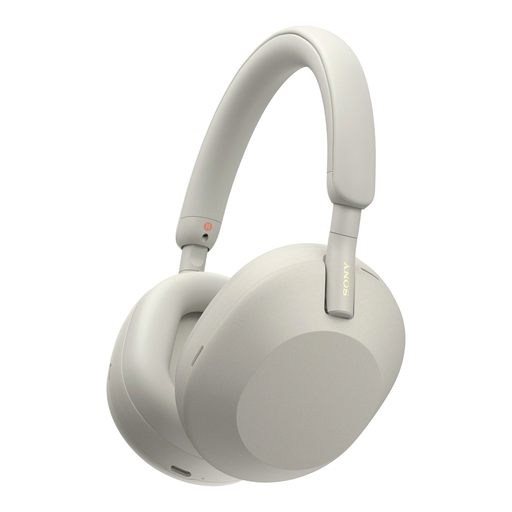
Sony WH-1000XM5 Wireless Headphones with Noise Cancelling, silver

Sony WH-1000XM5 Wireless Headphones with Noise Cancelling, silver

The product name describes wireless headphones with noise cancelling; check whether the stated connection options suit your editing setup.

Joybuy

Bose QuietComfort Ultra Headphones (2nd Gen), black

Bose QuietComfort Ultra Headphones (2nd Gen), black

The product description lists a detachable cable with a 3.5 mm connection; check whether it suits your listening output.

Headphones.

Joybuy

Frequently asked questions

Are closed-back studio headphones enough to avoid disturbing colleagues?

You can’t assume so without testing them in practice. RTINGS reports that the ATH-M50x may be audible at higher volumes and rates the DT 770 PRO as too leaky for a quiet office environment. Ask someone at the next desk to listen while you use your intended volume.

Are open-back headphones suitable for editing drums in an office?

An open-back model is better suited to a separate listening space where sound escaping from the headphones isn’t a problem. The HD 490 PRO’s open-back design lets sound through, so it isn’t automatically suitable for use alongside colleagues.

What should I check about connections and maintenance?

First, check which output your interface or computer has, then compare it with the cable and adapter supplied with the exact model. Shure lists a 3.5 mm plug, a supplied 6.3 mm adapter, a detachable cable and replacement ear pads for the SRH840A.

Can I return headphones bought online?

For many consumer purchases made at a distance, the Dutch government says you have a 14-day cooling-off period. Check whether your purchase is covered and which terms and exceptions apply.

What legal noise limit applies to drum recordings in the office?

According to Arboportaal, employees must wear hearing protection if their daily exposure exceeds a dose of 85 dB(A). This isn’t a measured value for your headphones or a volume setting you can determine from a product specification.
