
Vandaag of morgen in huis

Kwaliteit gegarandeerd

Welkomstaanbiedingen ontgrendelen: GRATIS bezorging | Tot 80% korting | Gratis 30 dagen JoyPlus-proefperiode
Download de app
Buying liquorice seems simple, until you have to choose between sweet liquorice, salty liquorice, salmiak liquorice, mint liquorice and sugar-free varieties. Packaging often highlights one feature, while important details are printed in smaller type on the label. These include polyols, gelatine, allergens, portion size and warnings about liquorice root.
This buying guide helps you compare liquorice online using verifiable product information. That makes it easier to find a variety that suits your taste, eating habits and the occasion.
Sugar-free liquorice usually contains sweeteners such as maltitol, sorbitol, erythritol or steviol glycosides. This can bring the sugar content down to 0 grams per 100 grams, but the product still contains carbohydrates and energy. So always check the full nutritional information.
Many products also carry a warning that excessive consumption may have a laxative effect. This is mainly due to polyols. A bag of sugar-free liquorice is therefore not automatically intended to be eaten without limits.
“Mint”, “honey” or “salmiak” doesn’t tell you everything about the intensity. Check the ingredients too, such as ammonium chloride, liquorice root extract and salt. These all help determine whether the flavour is mild, salty or strong.
For example, regular Klene Mint Licorice has a mild, sweet flavour and a firm texture. Fisherman’s Friend Salmiak Sugar-Free, on the other hand, is a small lozenge with a pronounced salty flavour. Both are liquorice sweets, but they aren’t necessarily interchangeable.
A product can be gelatine-free without being vegan, for example if it contains beeswax. Similarly, “vegetarian” doesn’t automatically mean gluten-free. Check the ingredients and allergen information on each pack.
According to the available product information, Oldtimers Ship Buttons are vegan, gelatine-free and gluten-free. Fisherman’s Friend Salmiak Sugar-Free is described in the product information as suitable for vegetarians and vegans, and as halal and gluten-free. Check the current packaging with every order, as recipes may change.
When comparing sugar-free liquorice, check these three details:
According to the product information, Klene Sugar-Free Mint Licorice contains 0 grams of sugar per 100 grams and uses maltitol and steviol glycosides. Klene Licorice Love contains maltitol, erythritol and steviol glycosides, and lists 63 grams of polyols per 100 grams.
Many Dutch liquorice products contain liquorice root extract. Several packs therefore carry a warning advising people with high blood pressure to avoid excessive consumption. Treat this as label information, not as a general health claim.
Also check the salt content when choosing salty liquorice or salmiak liquorice. A small format, such as a lozenge, can be handy for measured use, while a larger bag may make more sense for sharing or keeping for longer.
Before checkout, check:
Sugar-free liquorice in a handy resealable pack can be practical for when you’re out and about. For a family or visitors, a larger bag of Dutch liquorice may work out cheaper per gram, depending on the current price.
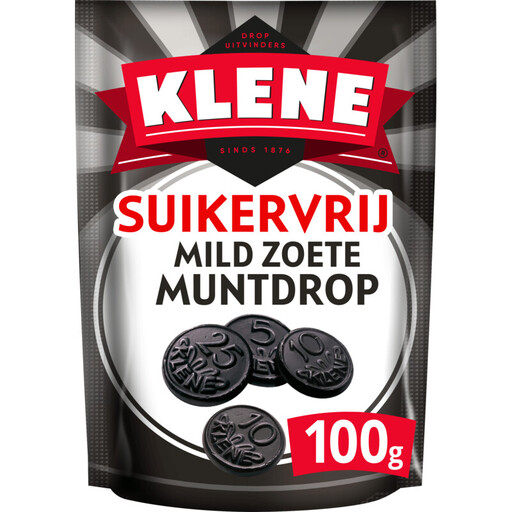
Why it suits this profile: An easy option for anyone wanting to try mild mint liquorice without sugar. The resealable bag is practical at home and on the go.
The product information lists 0 grams of sugar per 100 grams and names maltitol and steviol glycosides as sweeteners. The warning about excessive consumption still applies.
Mild, sweet mint liquorice, a firm texture, 100 grams and resealable packaging.
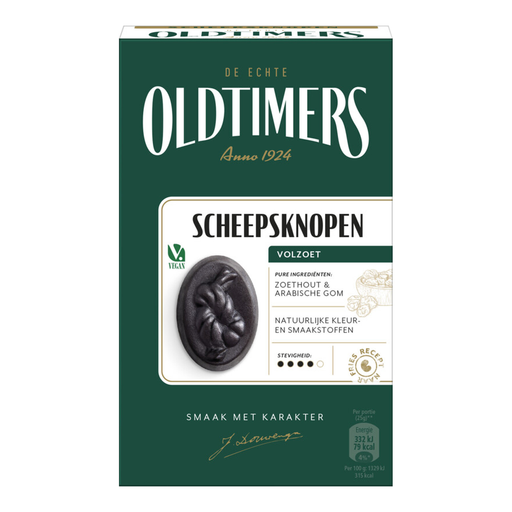
Why it suits this profile: A good match for fans of sweet liquorice who appreciate a larger supply and a firm texture.
The product information explicitly states that it is vegan, gelatine-free and gluten-free. This makes it easier to compare with varieties containing gelatine or wheat.
235 grams, vegan according to the product information, gelatine-free, gluten-free and made with gum arabic for a firm texture.
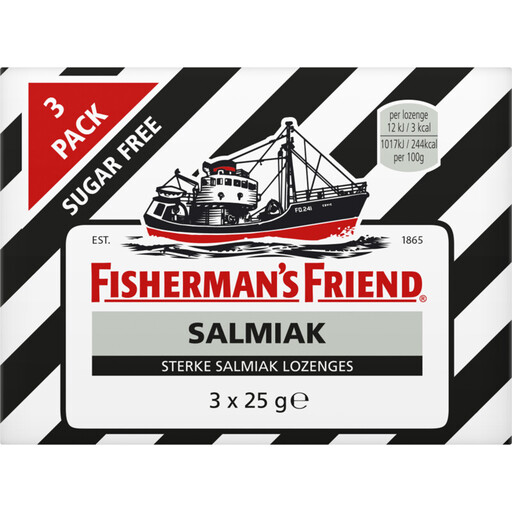
Why it suits this profile: Handy for fans of strong salmiak liquorice who want small packs to take with them or enjoy on several occasions.
The pack contains three 25-gram portions. The product information also lists 86 grams of polyols per 100 grams and includes a warning about excessive consumption.
Sugar-free according to the product information, with a strong salty flavour; vegan and gluten-free according to the product information.
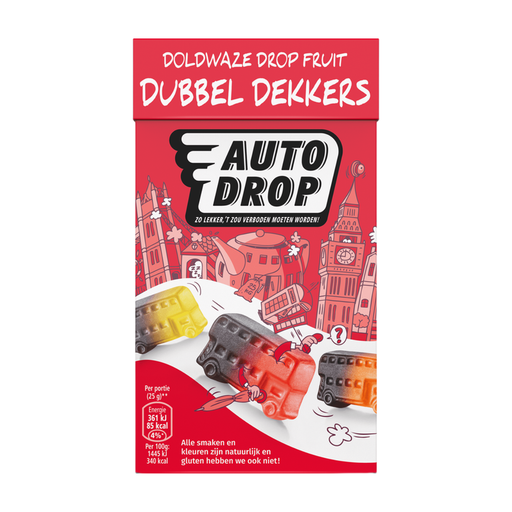
Why it suits this profile: A good choice if you want to combine liquorice sweets with fruity notes such as raspberry, lemon and orange.
The three flavours and ingredients are clearly listed. So you know this isn’t classic sweet liquorice with liquorice flavour alone.
280 grams, three fruit varieties, natural colours and flavourings according to the product information, and gluten-free according to the product information.
We’ve put together a complete, up-to-date list of products that meet these strict selection criteria and the applicable European safety regulations.
You can choose from mint liquorice, salmiak liquorice, eucalyptus liquorice, honey liquorice and fruity varieties, among others. When comparing products, look beyond “sugar-free” and check the sweeteners used, polyols, portion size and warning about excessive consumption.
No. Dutch liquorice includes sweet liquorice as well as salty liquorice, salmiak liquorice and mint liquorice. The flavour is determined by ingredients including sugar or sweeteners, salt, ammonium chloride and liquorice root extract. So check the ingredients list if you’re looking for a particular flavour.
Follow the product information and store liquorice in a cool, dry place, away from direct sunlight and moisture. Seal a resealable bag tightly. This will generally help preserve the texture. Always check the best-before information on the packaging before eating.
