
Vandaag of morgen in huis

Kwaliteit gegarandeerd

Welkomstaanbiedingen ontgrendelen: GRATIS bezorging | Tot 80% korting | Gratis 30 dagen JoyPlus-proefperiode
Download de app
For many, a great start to the day begins with the aroma of fresh drip coffee. But which machine truly suits your needs? The selection is vast, and the specifications can be overwhelming. As a Joybuy Product Recommendation Officer, I'm here to guide you. In this article, we'll outline the key points to consider and highlight several popular models, helping you make an informed choice without the marketing jargon.
Before making a decision, it's wise to consider a few practical aspects. These will largely determine how satisfied you are with your purchase in the long run.
The carafe is a defining component of your coffee maker. The choice is typically between glass and stainless steel.
How much coffee do you drink? Capacity is usually expressed in the number of cups. A 10-cup or 12-cup coffee maker is standard for families or small offices. If you typically drink coffee alone, a smaller model will suffice.
Additionally, extra features can significantly enhance user convenience:
The housing of a coffee maker is typically made of plastic or stainless steel. A stainless steel coffee maker often has a more robust, modern look and is generally more durable. Also, consider maintenance: are the filter holder and carafe dishwasher-safe? A removable water reservoir can also make filling and cleaning much easier.
Based on the criteria above, we have selected a few models that stand out for their specifications and functionality.
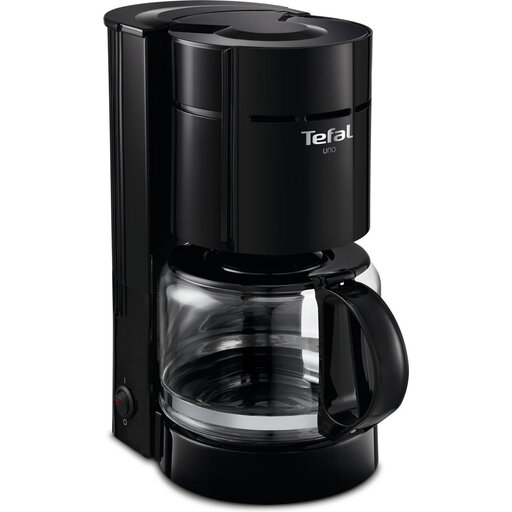
Why this model stands out: The Tefal CM1218 focuses on simplicity and large capacity. With a carafe for up to 12 cups, this machine is perfect for larger groups or office use. Operation is straightforward with a simple on/off switch.
Specifications:
Who is this machine for? For anyone seeking a reliable and easy-to-use coffee maker with a large capacity but without unnecessary frills. Ideal for families or the break room.
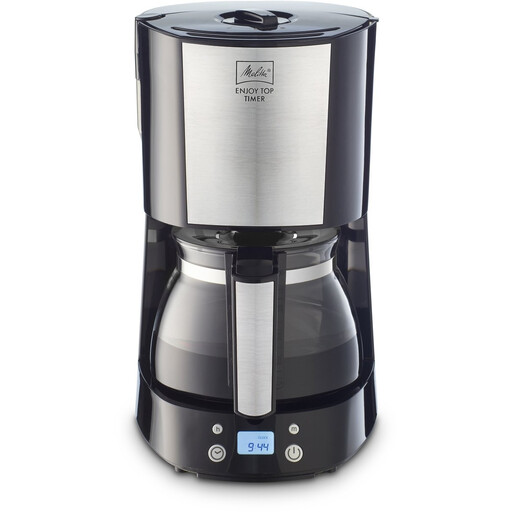
Why this model stands out: This model from Melitta combines ease of use with customisation. The built-in timer is a major plus for those who love starting their day with fresh coffee. According to the manufacturer, the patented AromaSelector allows you to set the coffee strength yourself, from mild to strong.
Specifications:
Who is this machine for? For the coffee drinker who values convenience and control. If you enjoy waking up to the smell of coffee and want to adjust the strength to your personal taste, this is a compelling option.
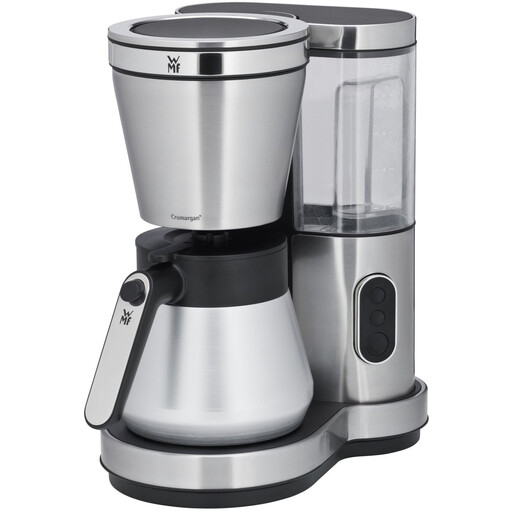
Why this model stands out: The WMF Lono is a stainless steel coffee maker that excels in materials and design. Its housing is made of Cromargan 18/10 stainless steel, which WMF claims is both durable and stylish. The thermal carafe keeps coffee hot for a long time without flavour loss, making a hot plate unnecessary.
Specifications:
Who is this machine for? For those who invest in durability, design, and flavour preservation. This machine is ideal if you want to enjoy hot, flavourful coffee over an extended period without it sitting on a hot plate.
The search for the perfect coffee maker is a personal one. The models mentioned above are just a sample of the available options. Are you looking for a different type, another capacity, or specific features?
Explore our full range of Water Filter Machines for more choices.
A good rule of thumb is to use about 6 to 7 grams of ground coffee per cup (125 ml). This is equivalent to one level tablespoon. Adjust the amount to your own taste for stronger or milder coffee.
The main advantage is flavour preservation. A thermal carafe keeps coffee hot through insulation. A glass carafe with a hot plate continues to actively heat the coffee, which can lead to a bitter or "burnt" taste over time. A thermal carafe prevents this and keeps the coffee at a pleasant temperature for hours.
This depends on the water hardness in your area and how often you use the machine. As a general guideline, you should do this every two to three months. Many modern machines have an indicator light that shows when it's time to descale. Consult your machine's manual for specific instructions.
