
Vandaag of morgen in huis

Kwaliteit gegarandeerd

Welkomstaanbiedingen ontgrendelen: GRATIS bezorging | Tot 80% korting | Gratis 30 dagen JoyPlus-proefperiode
Download de app
Buying drinks online is convenient when you want to stock up, are looking for unusual flavours or want to order several multipacks at once. However, it can be difficult to judge from a product page whether a drink really suits your needs. Eye-catching packaging says little about the sugar content, serving size or amount of fruit juice.
With these checks, you can compare ordering soft drinks online, fruit drinks, plant-based drinks and functional varieties in a practical way.
A sugar-free drink may contain sweeteners. This does not automatically mean that the drink is unsweetened or free from sweeteners. So do not just look at the front of the packaging; check the ingredients list too. Look out for terms such as sucralose, acesulfame-K, steviol glycosides or other sweeteners.
For fruit drinks, the difference between no added sugar and no sugars is also important. Fruit naturally contains sugars. So check the nutritional values per 100 ml as well as per bottle or can.
A box containing 6, 8, 12 or 24 packs may seem good value, but the amount per pack varies considerably. Six 250 ml bottles contain 1.5 litres in total, while twelve 330 ml cans provide almost 4 litres. So divide the price by the total number of litres and consider your storage space too.
A large drinks multipack is particularly suitable for households that regularly drink the same flavour, have a well-stocked cupboard or want to share drinks. For trying a product for the first time, a smaller pack is often more practical.
Phrases such as “refreshing”, “natural”, “intense flavour” or “ideal after exercise” are often descriptions used by the brand. According to a brand’s own research, such terms may form part of the product positioning, but they do not guarantee that you will enjoy the flavour or that the product will suit your situation.
Base your comparison on verifiable information: ingredients, allergens, nutritional values, quantity, storage instructions and packaging type.
The table per 100 ml makes products easier to compare. Then calculate the figures for the full pack. A drink containing 7 grams of sugar per 100 ml has approximately 23 grams of sugar in a 330 ml bottle, provided this is confirmed by the information on the label.
Pay attention to these points:
For example, a sugar-free drink may contain less than 0.1 grams of sugar per 100 ml, but may still contain sweeteners. With plant-based drinks, protein, calcium and added vitamins may be more important points of comparison. Always use the current packaging as your guide.
Check the allergen information every time you buy a drink. Milk is found in drinking yoghurt and whey-based protein water. Soya is listed as an allergen in soya drinks. Oat milk will generally contain gluten or may contain traces of it; check the specific label if this is relevant to you.
The name of the drink can also be misleading. Coconut water is not always a drink made solely from coconut water. For example, the ingredients of Coco Rico Coconut Water WithPulp Can include carbonated water, sugar and/or glucose-fructose syrup, coconut extract and preservative E211. So look beyond the product name.
Small 200 or 250 ml bottles are suitable for lunch, school or drinking on the go. A one-litre carton is better for breakfast, coffee, smoothies or sharing between several people. After opening, many drinks need to be refrigerated and used within the period stated on the packaging.
For coffee, the composition is more important than the flavour alone. According to the product information, Oatly Oat Barista Edition contains 10% oats and is designed to be foamed. This makes the oat milk a logical choice for cappuccinos or lattes, while standard oat milk is generally bought as a drink or breakfast option.
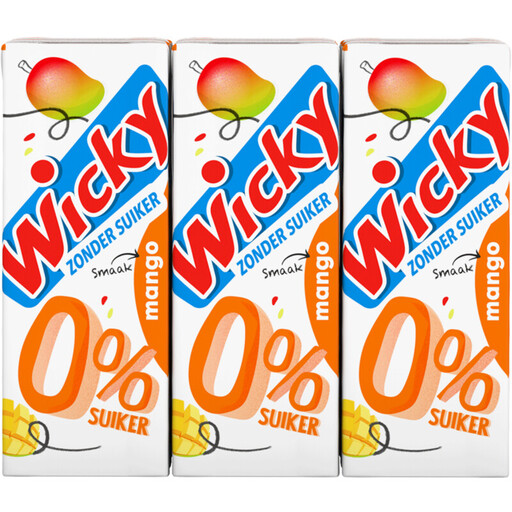
Why it suits this profile: This small multipack is a straightforward option for anyone who wants to try ordering soft drinks online with a familiar mango flavour.
The product information states that it contains less than 0.1 g of sugar and carbohydrates per 100 ml. However, the ingredients list does include sweeteners, so check the label when buying.
6 x 200 ml bottles, 1 kcal per 100 ml according to the product information and added vitamin C.
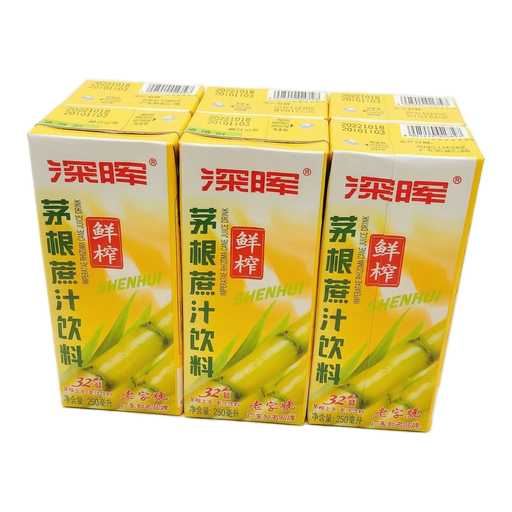
Why it suits this profile: Suitable for anyone looking for an unusual drink with plant-based ingredients and a mildly sweet flavour.
The product page clearly lists the ingredients and nutritional values: 78 kJ, 19 kcal and 4.0 g of sugar per 100 ml. The product also contains sugar and sweeteners.
6 x 250 ml bottles; according to the product description, made with Imperatae rhizome and concentrated sugarcane juice.
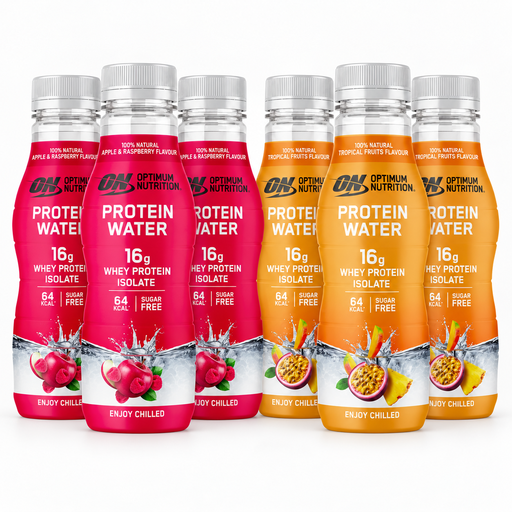
Why it suits this profile: A practical choice for anyone looking for protein water to drink on the go, between meals or around a workout.
The serving size is clearly defined: the product information states that each 350 ml bottle contains 16 g of protein, 0 g of sugar and 64 kcal. The product contains milk.
A bundle containing 3 apple and raspberry bottles and 3 tropical fruit bottles; ready to drink without mixing.
For a plant-based option, you can compare a soya drink such as Alpro Unsweetened Soy Drink based on protein, calcium and sugar. The product information states that it contains 3.3 g of protein, 120 mg of calcium and 0 g of sugar per 100 ml. Please note: soya is an allergen.
If you mainly make coffee, consider oat milk such as Oatly Barista Edition. The pack contains 1 litre, and the product information states that it contains 61 kcal and 3.4 g of sugars per 100 ml. For a tropical fruit drink, mango, guava and lychee drinks are available in various formats. For example, Maaza Guava contains 16% guava juice from concentrate and 6.9 g of sugar per 100 ml. A Mogu Mogu Lychee can also contains nata de coco; the stated nutritional values may vary by source, so check the packaging.
Drinking yoghurt, coconut water and multipacks with passion fruit or mango are also suitable for different occasions. Always compare the quantity, refrigeration requirements after opening and allergens before ordering.
We have compiled a complete, up-to-date list of products that fully meet these strict selection criteria and the applicable European safety regulations.
It depends on the price per litre, delivery costs and pack size. A multipack may offer better value if you use the drink regularly. Always calculate the total volume and compare it with individual bottles or cartons.
Unopened long-life drinks can generally be stored outside the fridge for longer, provided you follow the date and storage instructions on the packaging. After opening, the usual advice is to refrigerate and consume within the stated period. Check this for each product.
Check both the nutritional table and the ingredients list. Confirm whether “sugar-free” refers to sugars per 100 ml and whether sweeteners have been added. For fruit drinks, the percentage of fruit juice is also relevant.
