
Vandaag of morgen in huis

Kwaliteit gegarandeerd

Welkomstaanbiedingen ontgrendelen: GRATIS bezorging | Tot 80% korting | Gratis 30 dagen JoyPlus-proefperiode
Download de app
When buying drinking glasses and cups, people often look first at colour and shape. That’s understandable, but material, capacity and care ultimately determine whether a product remains practical for everyday use. For example, an attractive glass set may be less suitable for hot drinks, while a large insulated cup can be awkward if you mostly drink smaller portions.
In this buying guide, we’ll help you compare water glasses, whisky glasses, beer glasses, cocktail glasses, double-walled glasses and stainless steel cups with confidence.
A 1,000 or 1,200 ml cup sounds handy for taking out and about, but it also takes up more space and can become heavy when full. That might suit a desk, a long drive or a walk. For a small kitchen cupboard or a short coffee break, 260 to 350 ml is often more convenient.
So, check:
Not every drinking glass can withstand changes in temperature. According to the product information, the Secret de Gourmet Gaspard glass set is intended for cold drinks and drinks at room temperature. It is not suitable for hot or boiling liquids and should be protected from sudden changes in temperature.
By contrast, a glass for tea, coffee or hot chocolate should be explicitly described as suitable for hot drinks. The material is especially important for double-walled glasses. According to Bodum’s product information, the Bodum SKÅL glasses are made from heat-resistant borosilicate glass. Always check the stated temperature limits and care instructions.
Words such as “durable”, “premium” or “thermal” don’t tell you much on their own. Look for verifiable details:
A reusable drinking cup can be practical, but reusability alone says nothing about insulation, leak resistance or cleaning. These features should be listed separately in the product information.
Glass shows off the colour of water, juice, beer or a cocktail and works well for everyday use and entertaining. However, it can break if dropped or exposed to a sudden change in temperature. So, check whether a glass is suitable for hot drinks and whether it can go in the dishwasher.
304 stainless steel is often used for reusable drinking cups. It’s sturdy and suitable for use at home, at gatherings or when camping. According to the product information, the Maxcook cups are made from 304 stainless steel and have a stackable design. The metal can become hot when used with hot drinks, so handle with care.
316 stainless steel is listed as the material for some products, such as the BUFFi5 JOY cups. Also check whether the cup has a single or double wall. The material alone doesn’t determine how long a cup will keep drinks hot or cold.
A single-walled cup is usually simple and lightweight, but the outside can take on the temperature of the drink. A double-walled glass has two layers of glass with a gap between them. According to Bodum’s product information, this design helps keep hot and cold drinks at their temperature for longer and reduces condensation on the outside.
That doesn’t automatically mean every double-walled product performs in the same way. Check the material, operating temperature and care instructions. For a metal insulated cup, it’s also worth checking whether a lid, closure and seal are included. If these details aren’t listed, don’t assume the cup is leak-proof.
For everyday use, a wide opening and a stable base are practical. A stackable design saves space in a kitchen cupboard or camping box. With glass sets, the quantity matters: four water glasses or beer glasses are suitable for a household or for entertaining, while a set of two double-walled glasses may be better for individual use.
Remember to check the cleaning instructions, too. According to the product information, the Gaspard set is dishwasher-safe. By contrast, handwashing is recommended for the Royal Leerdam beer glasses in the Secret de Gourmet set. Follow the manufacturer’s instructions to help prevent scratches, cloudiness or damage.
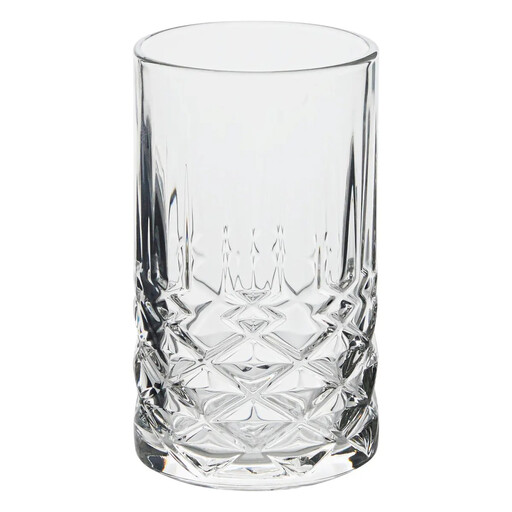
Why it suits this profile: This set of four clear glasses, each with a capacity of 36 cl, is handy for water, juice, soft drinks and cold cocktails at everyday meals or when entertaining.
The product information clearly states that these glasses are not suitable for hot or boiling liquids, so you know their limits before use.
Four glasses, 36 cl each, and dishwasher-safe according to the product information.
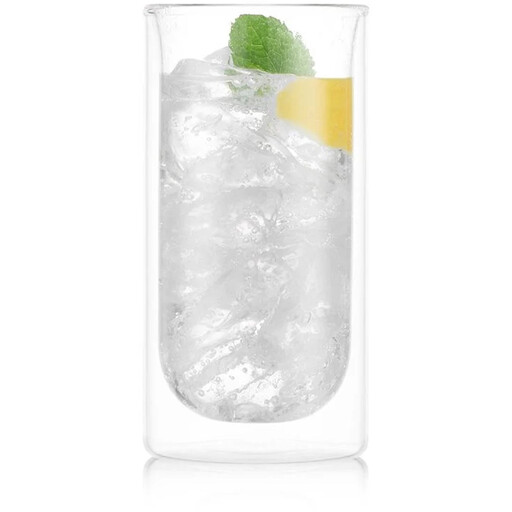
Why it suits this profile: This set of two is ideal if you want to serve hot and cold drinks in style, from coffee and tea to beer, juice or dessert.
According to Bodum’s product information, these glasses are made from heat-resistant borosilicate glass and have a double-walled construction. Always follow the stated uses and temperature limits.
Two 280 ml glasses; according to the product information, they’re suitable for the dishwasher, freezer, microwave and oven up to 176 °C.

Why it suits this profile: These compact cups are designed for everyday use, camping, picnics or small kitchens where stackability matters.
The product information specifies 304 stainless steel, a wide opening and a stackable design. It also warns that the cup must not be used in a microwave or on a hob.
Set of two, 260 ml per cup, stackable and suitable for hot and cold drinks according to the product information.
We’ve put together a full, up-to-date list of products that meet these strict selection criteria and the applicable European safety regulations.
For everyday use, a capacity of around 250 to 400 ml is often a good choice. A 280 ml or 360 ml glass is suitable for water, juice and soft drinks without being too large. If you need a larger capacity for when you’re out and about, a stainless steel cup of 1,000 ml or more may be a better fit.
That depends on the product information. Only choose a glass that is explicitly described as suitable for hot drinks. According to the product information, the Bodum SKÅL glasses are made from heat-resistant borosilicate glass. Always follow the stated temperature limit and check whether the glass is suitable for use in an oven or microwave.
Their lifespan depends on the material, how they’re used and how they’re cared for. Glass can last a long time with careful use, but it remains vulnerable to drops and thermal shock. Stainless steel cups are less likely to break, but abrasive cleaning products can scratch them. Use mild washing-up liquid, follow the care instructions and check regularly for cracks, warping or damaged parts.
