
Vandaag of morgen in huis

Kwaliteit gegarandeerd

Welkomstaanbiedingen ontgrendelen: GRATIS bezorging | Tot 80% korting | Gratis 30 dagen JoyPlus-proefperiode
Download de app
Choosing a new set of drinking glasses or coffee cups seems straightforward. Yet many shoppers are swayed by attractive photos, vague claims or a size that turns out to be less practical at home. A glass may be too narrow for the dishwasher, for example, while a cup may become hotter than expected. A decorative finish can also wear away with everyday use.
This guide compares drinking glasses and coffee cups by material, capacity, care and intended use. That way, you can make a more informed choice for everyday use, a dinner party or a gift.
Coloured glasses and ceramic coffee cups instantly add character to your table. However, an attractive colour says nothing about whether the item is suitable for hot drinks, how durable it is or how it should be cleaned. Always check the material, capacity and care instructions.
The finish is particularly important with decorative cups. Gold details, relief patterns and hand-painted designs can be vulnerable to abrasive sponges or intensive dishwasher use.
A capacity of 480 or 520 ml sounds generous, but a large cup will not always fit beneath every coffee machine. For espresso and smaller tea servings, 160 ml is often sufficient. A coffee cup of around 280 to 350 ml is more versatile for filter coffee, cappuccino, juice or iced coffee.
Also pay attention to the dimensions. A tall glass may be less stable on a small tray, while a cup with wide handles takes up more space in a kitchen cupboard.
Dishwasher-safe glasses and cups are convenient, but the exact instructions vary from product to product. Check whether the dishwasher is suitable only for the base material or also for the decoration. According to the product information for the YumiPLUS coffee cups, they are suitable for use in the microwave and dishwasher, although hand washing is recommended to keep the decorative finish looking its best for longer.
Also avoid sudden changes in temperature. Filling a cold glass directly with a very hot drink can cause damage unless the product information explicitly supports this use.
With ceramic and porcelain, check whether the product information states that the material is lead- and cadmium-free. According to the product information, the TEANAGOO cups are made from ceramic free from lead and cadmium. This is a product specification provided by the seller and is not a general feature of every ceramic cup.
A useful guide:
For whisky glasses, matcha glasses and cocktail glasses, capacity is not the only important factor. The shape determines how much room there is for ice, garnishes or foam. A glass marketed for whisky may also be suitable for matcha or soft drinks, but check the stated intended use and dimensions first.
Look for clear information about:
According to the product information from Bodum, double-walled glasses are made from heat-resistant borosilicate glass. Bodum states that the PAVINA PARIS models are suitable for hot and cold drinks and can be used in the dishwasher, microwave and oven up to 180 °C. Always follow the instructions on the product page and stop using a damaged glass or cup.
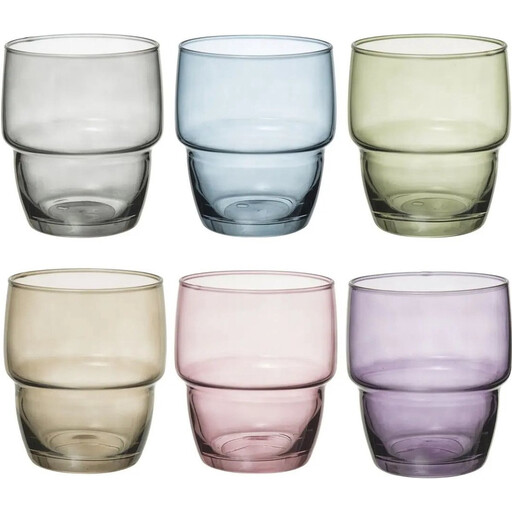
Why it suits this profile: The set contains six colourful glasses of around 280 ml. That is a useful size for water, juice and cold drinks in a household.
The capacity and set size are clearly stated. The glasses are stackable and, according to the product information, dishwasher-safe.
Six glasses, a stackable design and a capacity of approximately 280 ml.
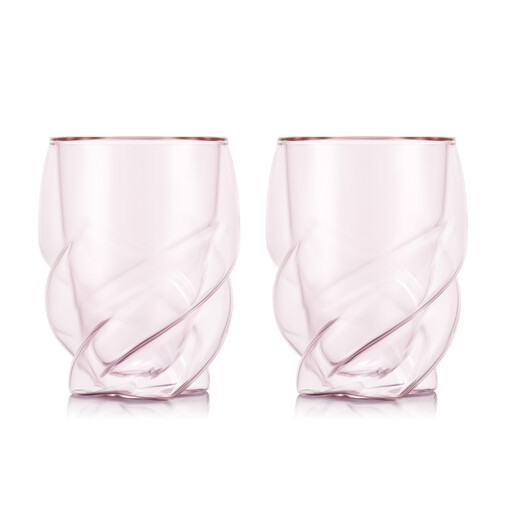
Why it suits this profile: For anyone who wants to use one type of glass for coffee, tea, cold brew and cocktails. This model is available as a set of two.
The product information describes the double-walled design, heat-resistant borosilicate glass, and clear temperature and care limits.
270 ml capacity, double-walled borosilicate glass, and dishwasher- and microwave-safe according to Bodum.
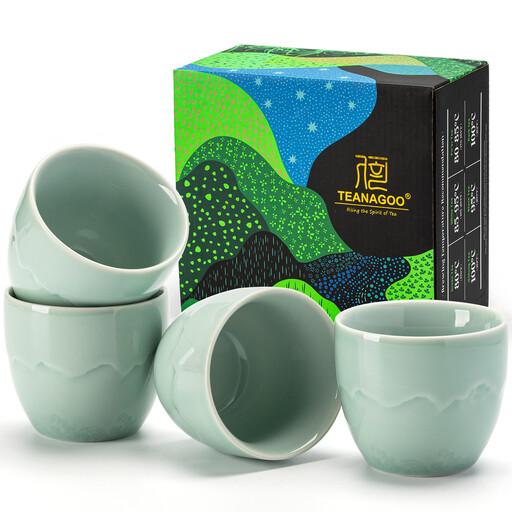
Why it suits this profile: These handleless ceramic cups are designed for tea, sake and small hot or cold drinks. The capacity is well suited to traditional tea occasions.
The 160 ml capacity, material and care instructions are specified. Hand washing is recommended to preserve the texture.
Four ceramic cups, a celadon blue finish and, according to the product information, suitable for the microwave and dishwasher.
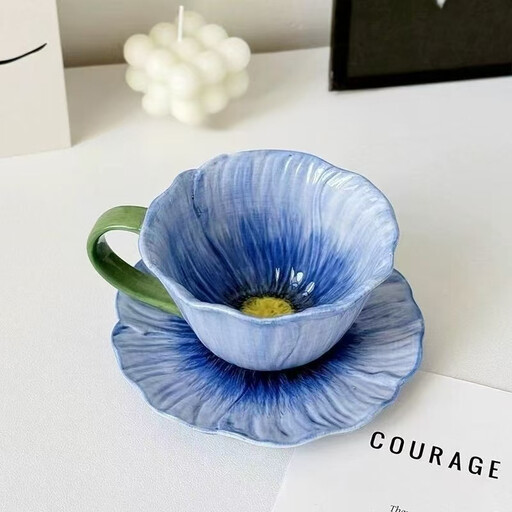
Why it suits this profile: This coffee cup and saucer combine a capacity of 300 ml with a floral relief pattern and blue finish. That makes them suitable for coffee, tea and a thoughtful gift.
The set specifies the capacity, dimensions and contents. Hand washing with a soft sponge is recommended to protect the decoration.
Cup and saucer, 300 ml capacity and, according to the product information, suitable for the microwave and dishwasher.
We have put together a complete, up-to-date list of products that fully meet these strict selection criteria and the applicable European safety regulations.
For everyday use, a capacity of around 250 to 350 ml is often a sensible choice. This leaves room for filter coffee, cappuccino, tea or milk-based drinks without making the cup unnecessarily large. If you prefer a large mug, consider models of 480 ml or more.
No. Always check the product information. According to the stated product specifications, double-walled glasses made from heat-resistant borosilicate glass are intended for hot and cold drinks. A standard drinking glass can crack when filled with a hot liquid due to a sudden change in temperature.
Use a gentle dishwasher programme if the manufacturer permits dishwasher use. Hand wash hand-painted details, gold-coloured rims and relief finishes wherever possible. Do not use a metal scourer, and regularly check glasses and cups for cracks, chips or sharp edges.
