
Vandaag of morgen in huis

Kwaliteit gegarandeerd

Welkomstaanbiedingen ontgrendelen: GRATIS bezorging | Tot 80% korting | Gratis 30 dagen JoyPlus-proefperiode
Download de app
A set of drinking glasses may seem like a simple purchase, but the options vary widely in size, material and care requirements. A set that’s suitable for everyday water doesn’t necessarily work as well for cocktails, wine or hot coffee. Attractive details such as coloured glass, a large capacity or an unusual design can also prove less practical in a small dishwasher or kitchen cupboard.
So, keep an eye out for these common pitfalls:
Look beyond the product name and check the capacity in millilitres.
The shape also affects how a glass can be used. A wide wine glass has room for wine, but can also be used for water and juice. A short glass with a stable base is handy for whisky, matcha or soft drinks. For espresso, small cups of around 150 ml make more sense than a large set of water glasses.
Most models in this selection are made of glass, but there are also plastic and stainless steel options. Always check the product specifications:
Only use a glass for hot drinks if the product information says it’s suitable. Avoid exposing ordinary glass to sudden temperature changes, as this can increase the risk of breakage.
Before buying, check whether a set:
For example, the capacity of a wine glass set may be suitable for red and white wine, but that doesn’t automatically mean the glasses can withstand heat or temperature changes. If you have fragile glassware, check it regularly for cracks. Don’t use an abrasive sponge or harsh cleaner if the manufacturer advises against it.
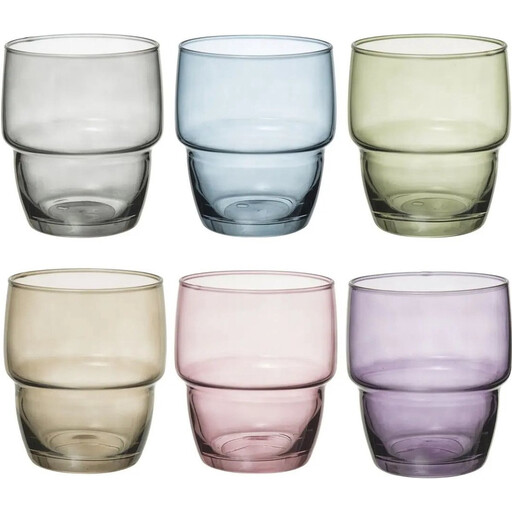
Why it suits this need: A set of six colourful glasses gives you enough for a family or a group of guests. With a capacity of 280 ml, they’re well suited to water, juice and cold soft drinks.
The number of glasses and their capacity are clearly stated. They’re stackable, so they take up less cupboard space. According to the product information, they’re dishwasher-safe.
Six glasses, 280 ml each, a colourful design and a stackable shape.
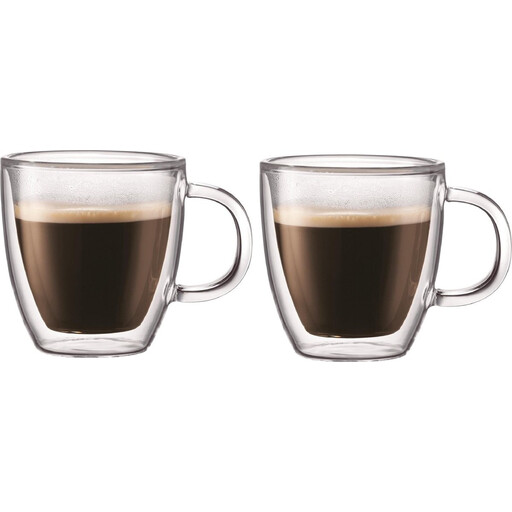
Why it suits this need: This set of 2 glasses is designed for espresso and small desserts. The double wall and borosilicate glass make it a good choice if you’re particular about materials and how your drinkware handles heat.
The 150 ml capacity means espresso won’t be served in an overly large glass. The product information states that the glasses are suitable for the dishwasher, freezer, oven and microwave; follow the instructions provided with the product.
Borosilicate glass, double-walled design, 150 ml capacity and dishwasher-safe according to the product description.
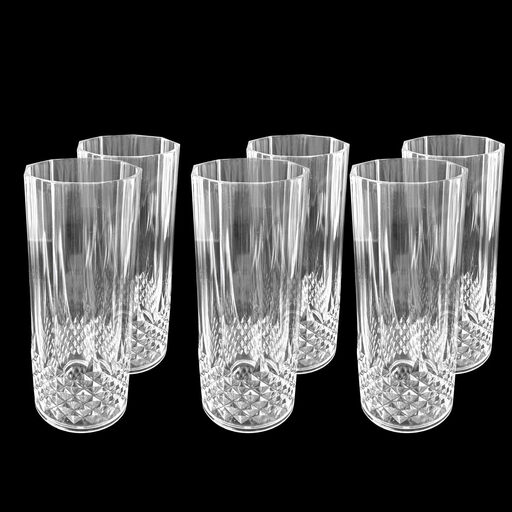
Why it suits this need: A lightweight set of six is practical for parties, barbecues and cocktails. The 400 ml capacity leaves room for ice, soft drinks and mixed drinks.
The plastic makes these glasses lighter than glass long drink glasses. The product information states that they’re dishwasher-safe; check that the model suits the way you intend to use it.
Six glasses, 400 ml each, transparent plastic and dishwasher-safe according to the product description.
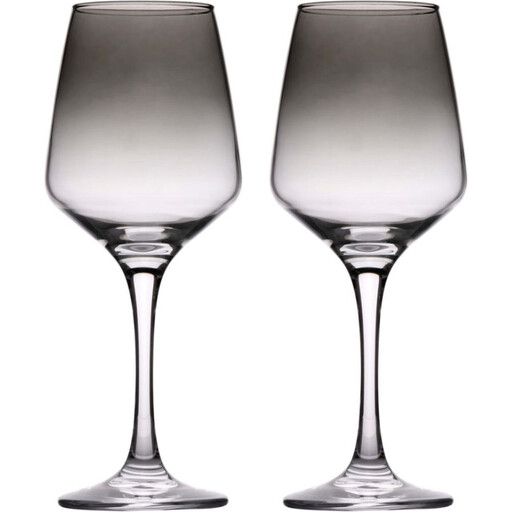
Why it suits this need: The smoky finish gives these glasses a different look from clear water glasses. The set of four is well suited to dinner parties and smaller gatherings.
The product details state that the set contains four glasses, with a capacity of around 350 to 360 ml. Check the current product page if the exact capacity matters to you.
We’ve put together a complete, up-to-date list of products that meet these strict selection criteria and comply with the applicable European safety regulations.
A set of 2 or 4 glasses may be enough for one or two people. A set of 6 is more useful if you regularly have guests or want to use one set for both everyday drinks and dinner parties. It’s also worth allowing for breakages and replacements: having a spare glass can come in handy if one gets damaged.
For everyday water, juice and soft drinks, 280 to 350 ml is often a good choice. If you like to add ice, lemon or a straw, consider long drink glasses of around 400 ml. Check that the diameter and height will fit in your kitchen cupboard.
No. The product information must state this explicitly. Load glasses into the dishwasher as recommended by the manufacturer, and make sure they don’t touch hard pans or metal cutlery. If dishwasher-safe isn’t mentioned, wash them by hand using lukewarm water and mild washing-up liquid.
