
Vandaag of morgen in huis

Kwaliteit gegarandeerd

Welkomstaanbiedingen ontgrendelen: GRATIS bezorging | Tot 80% korting | Gratis 30 dagen JoyPlus-proefperiode
Download de app
A drinking cup may seem simple to choose, but small differences can determine whether you use it every day or leave it in the kitchen cupboard after a few weeks. A travel mug, for example, may be too large for your cup holder, while an attractive ceramic mug may not be suitable for taking out and about. A sports water bottle with lots of parts can also be difficult to clean.
So don’t focus only on colour and price. Pay particular attention to material, capacity, closure, ease of cleaning and when you’ll use it. This will help you avoid paying for features you don’t need.
A 480 ml drinking cup is often a practical choice for coffee or tea on the go. For a long working day or a workout, a 750 ml drinking cup may be more convenient. A smaller 200 ml model fits easily in a bag or coat pocket, but needs refilling more often.
Think about the dimensions, too. A wide cup may not fit as well in a car or bike holder, even if its capacity seems right.
Words such as “thermal” and “insulated” don’t automatically tell you how long a drink will stay hot or cold. Check whether the product information gives a specific insulation time. If it doesn’t, don’t assume a particular level of performance.
With an insulated drinking cup, the lid, seal and opening matter too. You can’t assume a cup is leakproof just from how it looks. Check the description and product information before carrying it in a full bag.
A drinking cup with a straw, spout or push-button lid can be convenient for drinking while walking or exercising. At the same time, silicone rings and narrow channels can mean extra cleaning. A lid that doesn’t come apart fully may be more difficult to keep clean.
Choose a design that suits your routine. A simple opening is often enough for home or the office. For cycling, walking or exercise, a spout or handle may be more practical.
The right capacity depends on where you’ll use the cup:
As well as the capacity in millilitres, check the height, diameter and weight. A 750 ml capacity doesn’t tell you whether the cup will fit in a bag or cup holder.
Before buying, check:
For children’s use, pay particular attention to size, grip and components. Don’t assume a model is a children’s drinking cup just because it has a colourful design; check the product description and age information.
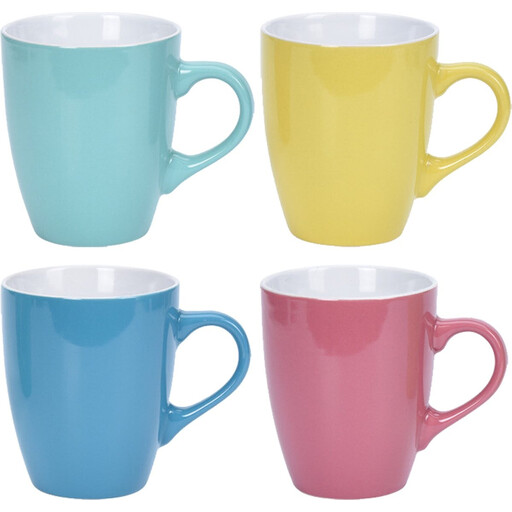
Why it suits this profile: A set of four mugs is practical for households, student accommodation or a shared office. The 340 ml capacity is well suited to everyday coffee and tea.
The product specifications state the capacity, the pack of four and that the mugs are suitable for the dishwasher and microwave. So you don’t have to judge them on looks alone.
Ceramic material, four mugs in the pack and, according to the product information, dishwasher- and microwave-safe.
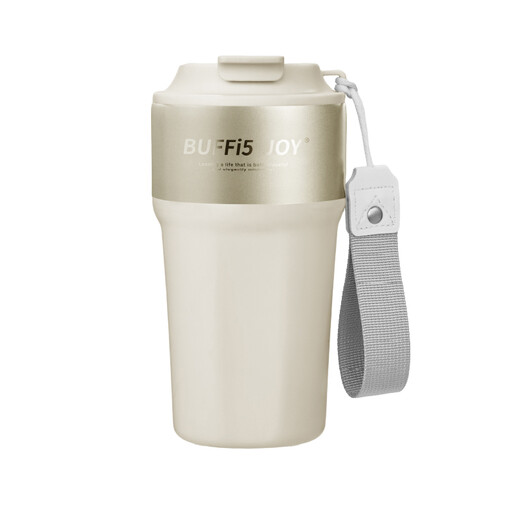
Why it suits this profile: This travel coffee cup combines a 480 ml capacity with 316 stainless steel, as stated in the product name. It’s a good match for daily commutes to work or study.
The capacity and stated material are easy to identify. Before buying, check the closure, dimensions and care instructions on the product page.
480 ml capacity and 316 stainless steel construction, as stated in the product listing, designed for use on the go.
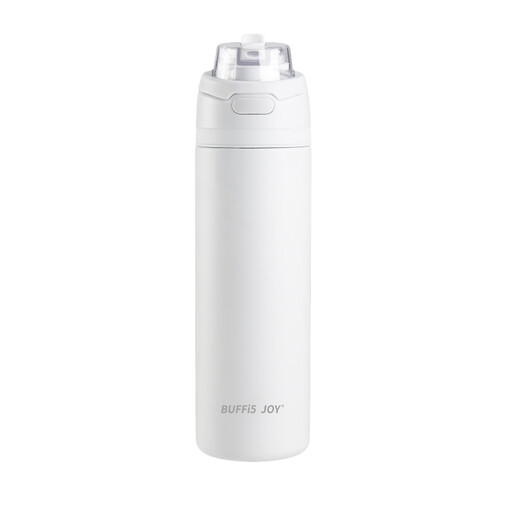
Why it suits this profile: The name identifies it as a 750 ml insulated sports cup. That capacity is suited to longer workouts, walks or a working day with fewer refills.
The capacity is clearly stated in the product name. Before use, check how the two openings work and which parts can be removed for cleaning.
750 ml capacity and a sports design with a double opening, as stated in the product listing.
We’ve put together a complete, up-to-date list of products that meet these strict selection criteria and the applicable European safety regulations.
A travel mug or coffee cup with a well-fitting lid is a practical choice for taking out and about. Check the diameter, closure and capacity. A 480 ml model offers more room than a small 200 ml cup, but takes up more space too.
Its lifespan depends on the material, how you use it and how well you care for it. Stainless steel can withstand everyday use, while ceramic is more prone to damage if dropped. Check the lid, sealing rings and any cracks regularly. Replace parts if they’re damaged or no longer close properly.
It depends on the product. The Excellent Houseware mug set is listed as dishwasher-safe. For other drinking cups, check the product page. If the instructions allow it, remove the lid and sealing ring for a thorough clean.
