
Vandaag of morgen in huis

Kwaliteit gegarandeerd

Welkomstaanbiedingen ontgrendelen: GRATIS bezorging | Tot 80% korting | Gratis 30 dagen JoyPlus-proefperiode
Download de app
Drink powder is handy if you want to make a hot or cold drink quickly. Just add a few spoonfuls to water to prepare milk, soya drink, matcha, milk tea or coffee, for example. However, products can vary considerably in their ingredients, nutritional values, preparation methods and uses. So attractive packaging alone doesn’t tell you enough.
A 900-gram bag may look appealing, but it’s less practical if you only make a drink now and then or have limited storage space. Conversely, individual sachets may work out more expensive if you use them every day. So compare the price per 100 grams and the number of servings you’ll get from the pack.
Also check the recommended serving size. A 300-gram product with a 20-gram serving may make more cups than a 400-gram product that requires considerably more powder per serving.
Instant drink powders for milk tea, bubble tea or matcha latte sometimes contain a large proportion of sugar, glucose syrup, vegetable oil or creamer. Check the ingredients list rather than relying on the flavour name alone. In the EU, ingredients are generally listed in order of quantity. If sugar or creamer is near the top, you’ll know it makes up a significant part of the blend.
A product with no added sugar may still contain naturally occurring sugars. So check the nutrition table per 100 grams and per serving.
Milk powder contains milk, while soya milk powder contains soya. Some creamers also contain milk derivatives, even when the product isn’t presented as ordinary milk. If you’re choosing vegan drink powder, check that the ingredients list and allergen information really match your preferences.
Check the water temperature and quantity, too. Some blends dissolve in cold water, while others should be made with water at around 80 to 85 °C, according to the packaging.
Start by choosing according to what you need:
The table per 100 grams makes it easier to compare products. For everyday use, the main things to consider are sugars, fats, protein, salt and energy. Also check the serving size on the label. For example, an 18-gram sachet may have different nutritional values from two large scoops.
For example, the product information for Gold Kili Milk Tea lists 60 grams of sugar per 100 grams and around 10.8 grams per 18-gram sachet. That’s useful to know if you’re keeping an eye on your sugar intake. The product information for Joyoung No Added Sugar Soybean Powder lists 40 grams of protein per 100 grams, with soya as the only ingredient. Always check the packaging yourself, as recipes and labels can change.
Instant drink powder is especially convenient when it dissolves quickly and evenly. Check:
Store powder in a cool, dry place and keep it tightly sealed. Moisture can cause clumps and affect the flavour. Products containing milk may need to be refrigerated after opening, according to the product information. Always follow the label for the specific product.
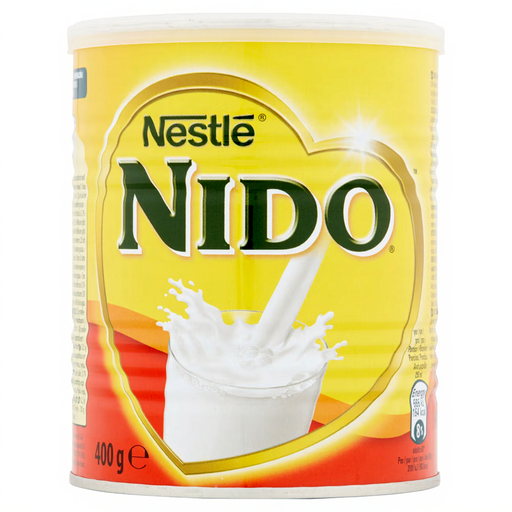
Why it suits this profile: The 400-gram pack is a manageable size if you want to try milk powder first. According to the product information, it can be mixed with hot or cold water and used in cooking and baking, too.
The product information clearly lists a single ingredient: whole milk powder. This makes the ingredients easier to assess than those in blended latte mixes.
400-gram pack; suitable for drinks, cooking, baking and desserts; contains milk, an allergen.
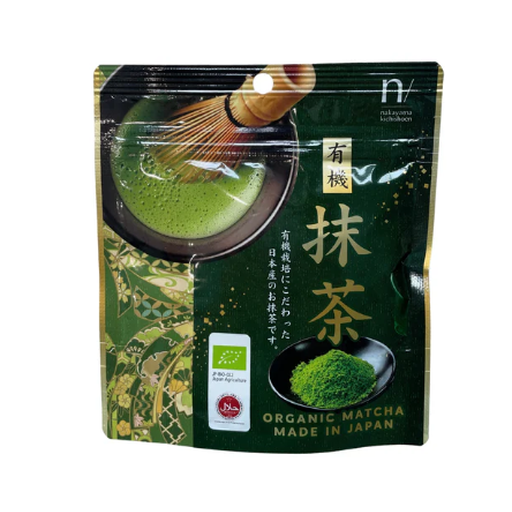
Why it suits this profile: According to the product information, this is pure matcha powder with no added flavours or other ingredients. It’s suitable for traditional preparation, matcha lattes, smoothies and baking.
The ingredients list states 100% organic green tea, matcha and tencha. So you’re not paying for a latte base packed with sugar or creamer.
30-gram pack; no added ingredients; according to the product information, free from the 14 main EU allergens.
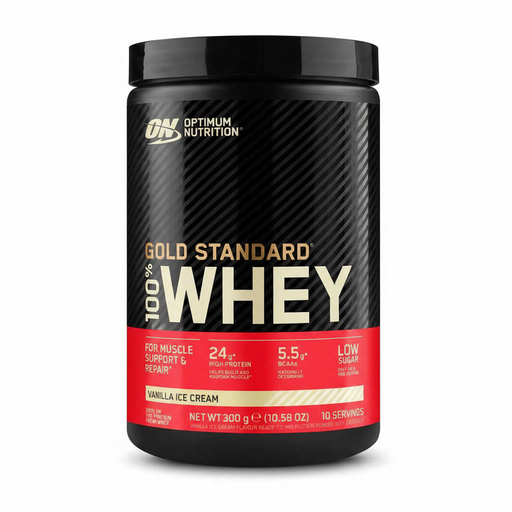
Why it suits this profile: For adults who exercise and want to supplement their daily protein intake, the product information lists around 24 grams of protein per serving. The powder is designed to be mixed with water or milk.
The product information lists both the protein content per serving and the full whey blend. Milk and soya are also identified as allergens.
300-gram pack; around 24 grams of protein per serving; designed to mix easily with water or milk.
We’ve put together a complete, up-to-date list of products that meet these strict selection criteria and the applicable European safety requirements.
Follow the proportions on the packaging. You’ll often need to add one serving to 150 to 250 ml of water. For milk, soya and some Asian drink powders, use warm water and stir well to prevent lumps. You can first mix matcha powder with a small amount of water, then add the rest of the water or milk.
It varies by product. Store the pack in a cool, dry place and keep it tightly sealed. Check the best-before date or recommended period of use after opening. Powders containing milk may have additional refrigeration instructions. Don’t use the product if the packaging is damaged, or if the powder smells unusual, has become damp or has clearly changed in texture.
That depends on the serving size, selling price and preparation method. Compare the price per prepared serving, not just the price of the pack. Individual sachets are handy when you’re out and about, while larger packs may mean less packaging per serving if you use them regularly. Always check the ingredients, allergens and nutritional values before choosing based on price.
