
Vandaag of morgen in huis

Kwaliteit gegarandeerd

Welkomstaanbiedingen ontgrendelen: GRATIS bezorging | Tot 80% korting | Gratis 30 dagen JoyPlus-proefperiode
Download de app
Hanging a towel in the bathroom, organising kitchen utensils, or finding a spot for a coat by the door. These are minor inconveniences that call for a simple solution. Drilling is often the first thought, but for renters, students, or anyone who wants to avoid hassle and permanent holes, drill-free hooks are a perfect solution. However, the market is flooded with options that overpromise and underdeliver.
Before you make a purchase, it's good to know the common pitfalls. Many hooks fail due to a few recurring problems:
To avoid a bad purchase, it's wise to look beyond marketing claims and focus on the specifications that truly matter.
The effectiveness of a hook depends entirely on its mounting method and the surface. The two main types are adhesive hooks and suction cup hooks.
Before choosing a hook, always check two things: the surface and the required load capacity.
Based on specifications and intended use, we have selected a number of hooks that suit different needs.
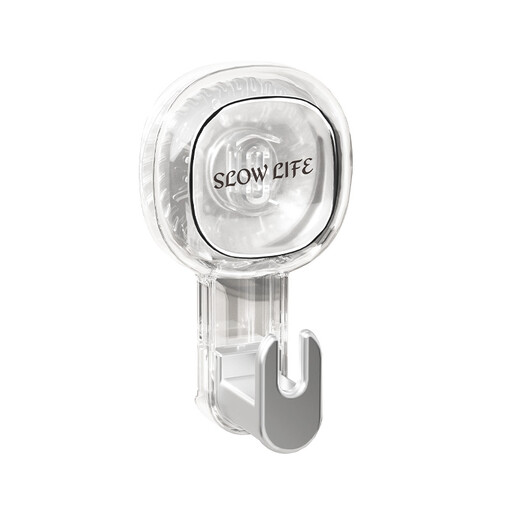
Why This Fits Their Persona: Ideal for those who move frequently or want to be able to adjust their layout. These suction cup hooks are perfect for the smooth tiles in a standard rental home's bathroom or kitchen. Installation and removal are a matter of seconds.
This hook bypasses the pitfall of 'false damage-free' claims. As it's a suction cup, it's guaranteed to leave no marks on the correct surfaces (glass, smooth tiles).
Reusable and easy to reposition. No tools needed, just a clean and smooth surface.
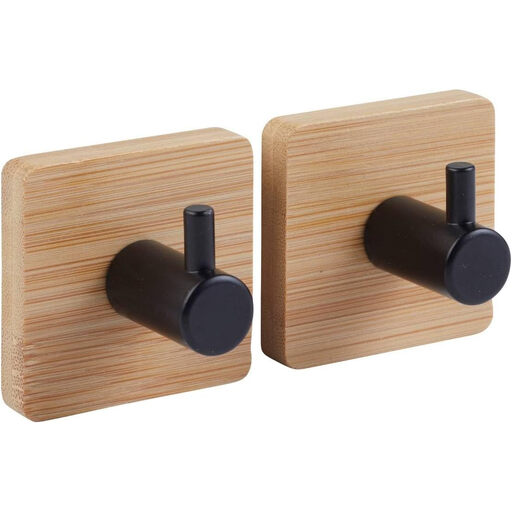
Why This Fits Their Persona: For those who want to combine functionality with a warm, natural aesthetic. The combination of bamboo and steel fits well in a modern or Scandinavian interior, for instance, in the hallway for keys or in the kitchen for tea towels.
These hooks are designed for lighter items, which keeps expectations about load capacity realistic. The use of FSC-certified bamboo indicates attention to material choice.
Stylish and minimalist design. Made from more sustainable materials (FSC bamboo and steel).
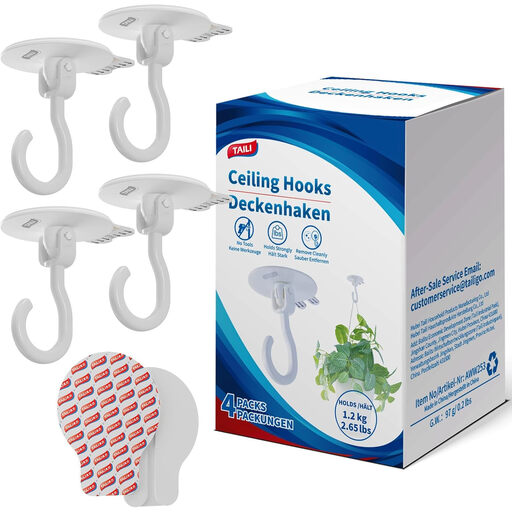
Why This Fits Their Persona: For those seeking a versatile solution that goes beyond a simple wall hook. Suitable for hanging plants, garlands, or decorations from the ceiling, but also usable as a swivelling hook on the wall.
The product information is specific about suitable surfaces (including latex paint) and the maximum weight (approx. 1.2 kg). This helps to correctly estimate the load capacity and prevent failure.
Unique 2-in-1 design for wall or ceiling mounting. The hook can rotate 360 degrees for maximum flexibility.
We have compiled a complete, up-to-date list of products that meet these strict selection criteria and relevant safety regulations.
Yes, you can, but be cautious. Choose a product that is explicitly stated to be suitable for painted surfaces, such as walls with latex paint. The condition of the paint is also important; no hook will adhere well to a peeling or poorly bonded paint layer. Always follow the manufacturer's instructions for application and removal to minimise damage.
The lifespan depends on several factors: the quality of the adhesive, the surface, the humidity, and the weight it's holding. A well-applied hook from a top brand can last for years on a smooth tile, while a cheap hook in a humid bathroom might fail after just a few weeks. Periodically check the adhesion, especially if it's holding valuable or fragile items.
Never just pull the hook off the wall. Most modern adhesive strips are designed for damage-free removal by slowly pulling the strip straight down, parallel to the wall. For stubborn adhesive, gently heating it with a hairdryer on a low setting can help. Another method is to carefully 'saw' through the adhesive behind the hook with a piece of dental floss. Always read the manufacturer's instructions first.
