
Livraison le jour même et le lendemain

Qualité garantie

Débloquez vos offres de bienvenue: Livraison GRATUITE | Jusqu'à -80 % | 30 jours d'essai gratuits à JoyPlus
Téléchargez l'application
Dried tofu sticks are also known as tofu skin, yuba, dried bean curd or soybean rolls. They are made from soya milk and, after soaking, develop a firm, elastic texture. This makes them ideal for Chinese hotpot, malatang, soups, stews, stir-fries and cold salads.
However, not every product is the same. Some tofu rolls are unfried and require a long soaking time, while fried tofu rolls soften quickly in hot broth. If you only look at the packaging or a term like "high in protein", you could end up choosing a product that doesn't suit your planned cooking method.
"Ready for hotpot" doesn't always mean a product can be eaten uncooked. Fried tofu rolls often soften in hot soup within seconds to about a minute, but some dried tofu sticks need to be soaked for 15 minutes to several hours first.
So, check the difference between:
Always follow the preparation instructions on the packaging. A product that needs to be cooked according to the description should not be eaten straight from the bag.
Not all products in a tofu range are vegan. Tofu fish, fish balls and snacks containing egg can be sold alongside tofu skin or soybean rolls. So, always check the ingredients list and allergen information.
For example: the FRESHASIA combination with tofu fish contains fish, egg and soya. This is not a vegan alternative, even though tofu appears in the product name. For a plant-based meal, choose a product whose ingredients consist solely of soya, water, oil, salt and, where applicable, permitted additives.
Dried products contain very little water per 100 grams. This makes their nutritional values appear higher than those of fresh tofu. Therefore, compare products on the same basis and pay attention to fat, saturated fat, carbohydrates and salt as well as protein.
For instance, the 7FRESH Shiping Dried Bean Curd Sticks list 43.7 grams of protein per 100 grams and contain only soya beans according to the product information. Fried varieties can contain significantly more fat due to the added oil. This makes them suitable for a different purpose, but not automatically right for every meal.
The main check is simple: does the ingredients list contain soya, and have any other allergens been added? Some tofu rolls also contain wheat flour, sulphites or flavourings.
A short ingredients list usually gives a clearer picture of the product type than marketing terms on the front.
The shape determines how you use the tofu:
Also, note the cooking time. According to the product description, some rolls stay intact longer during cooking; others are designed to absorb broth quickly.
A 120-gram bag is practical for a small meal or for trying a product for the first time. For regular hotpot or malatang meals, a 300-gram or 1-kilogram pack can be more economical per use, provided you store the contents in a dry, airtight place.
Dried tofu sticks should generally be stored in a cool, dry place away from direct sunlight. Frozen products must be kept at -18 °C or lower and, according to the product information, should not be refrozen after thawing.
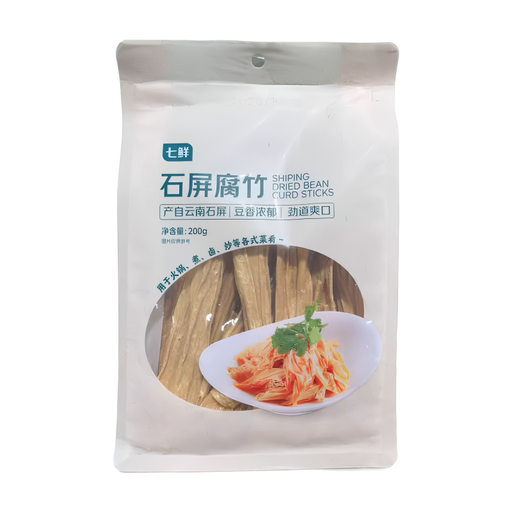
Why this fits the profile: A straightforward 200-gram pack for anyone wanting to try dried bean curd for the first time in hotpot, stir-fries or a stew.
The product information lists soya as an ingredient and allergen, plus a clear guideline: soak for approximately 15 minutes in warm water.
200 grams; 43.7 grams of protein per 100 grams according to the nutritional information; suitable for hotpot, stir-frying and stewing.
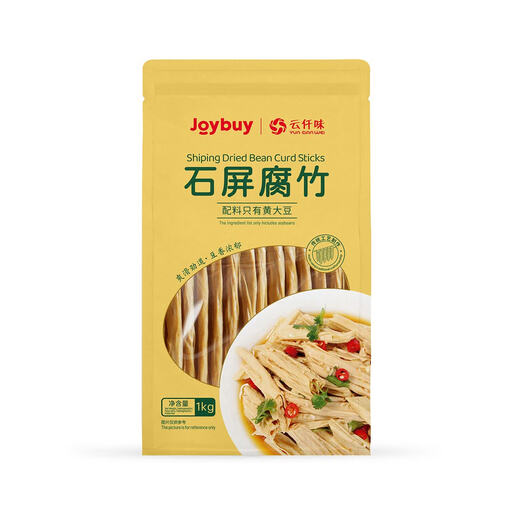
Why this fits the profile: For home cooks who often make Chinese dishes and want a generous supply of tofu sticks on hand.
The instructions state 2 to 3 hours of soaking. This prevents you from expecting a short soaking time for a product intended for longer preparations.
1 kilogram; 41.3 grams of protein per 100 grams according to the label; suitable for salads, stews and hotpot.
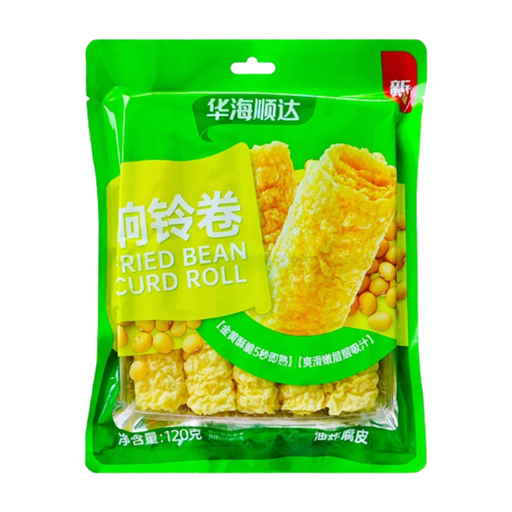
Why this fits the profile: For fans of malatang, spicy noodle soup and hotpot who want a fried, quick-softening texture.
The description states that the product should be cooked in hot soup for about one minute and should not be eaten raw.
120 grams; fried texture; according to the product information, suitable for hotpot, malatang, soups and cold dishes.
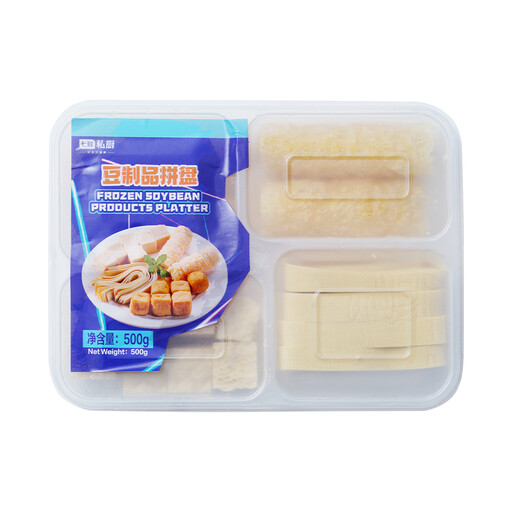
Why this fits the profile: Handy for a shared hotpot when you want to serve several textures without buying multiple separate packs.
The composition makes it clear that this includes frozen tofu, tofu skin, soya puffs and fried tofu rolls, each with its own preparation time.
500 grams total; four types of soya products; storage instruction at -18 °C or lower.
We've put together a full, up-to-date list of products that fully meet these strict selection criteria and comply with current European safety regulations.
For Spring Field Bean Curd Rolls, for example, a soaking time of 30 to 60 minutes in warm water is stated. According to the product description, FENGHEJU Soybean Rolls are designed to be dipped briefly, for about 3 to 5 seconds, in hot soup or hotpot. These differences show why the product instructions are more important than just the general name "tofu rolls".
It depends on the thickness and processing. Some dried tofu sticks soften in about 15 minutes, while firmer varieties need 2 to 3 hours. Fried tofu rolls sometimes don't need pre-soaking and soften directly in hot broth.
Many varieties are made from soya and water and fit within a vegan diet. Always check the label: some tofu products contain wheat, egg, fish or other ingredients. Also, be aware of cross-contamination if you have an allergy.
Store unopened dry products according to the packaging in a cool, dry place away from direct sunlight. Seal an opened bag airtight. Frozen tofu assortments must remain in the freezer and should not be refrozen after thawing.
