
Vandaag of morgen in huis

Kwaliteit gegarandeerd

Welkomstaanbiedingen ontgrendelen: GRATIS bezorging | Tot 80% korting | Gratis 30 dagen JoyPlus-proefperiode
Download de app
A dried tofu snack might seem straightforward at first: open and eat. Yet tofu bars, tofu jerky and dried tofu vary greatly in flavour, texture, salt content and intended use. If you only look at an eye-catching packet or the term “high in protein”, you could end up buying something that’s too spicy, dries out quickly, or isn’t even meant to be a ready-to-eat snack.
With this practical buying guide, you can compare dried tofu, mala tofu and tofu sticks based on the information you can actually check on the label.
A product may be relatively high in protein, but also contain a lot of salt, oil or sugar. For example, HAO BA SHI Nanxi Tofu Jerky Five Spice Flavor lists 20.0 g protein and 2.88 g salt per 100 g. Youyou Mala Dried Tofu contains 20.7 g protein and 990 mg sodium per 100 g. That makes both products interesting if you’re looking for plant-based protein, but it’s wise to also consider the portion size and salt content.
Not every soya snack is ready-to-eat. Dried tofu sticks and bean curd sticks are usually intended for hotpot, soup or stir-fries. According to the product information, the 7FRESH Shiping Dried Bean Curd Sticks need to be soaked in warm water for about 15 minutes. So a packet you buy for that purpose works very differently from tofu jerky you eat straight from the bag.
A spicy tofu snack may contain chilli, while mala tofu also has a numbing effect from Sichuan pepper. Five-spice, on the other hand, refers to an aromatic blend of spices, often including star anise and cinnamon. Also check for allergens: many varieties contain not only soya but also wheat or sesame through soy sauce or spice mixes.
Always compare nutritional values per 100 grams. That makes small packets fairly comparable with a 200 g or 400 g bag. Protein values vary across the range. Laoli Five-Spice Dried Tofu lists 24.4 g protein per 100 g, while Be&Cheery Five-Spice Tofu Strips lists 12.3 g.
Also pay attention to salt. Wuxianzhai Soy Sauce Flavored Dried Tofu lists 3.5 g salt per 100 g. That’s relevant information if you eat the snack regularly or have several portions in one day.
If you want a firm bite, look for descriptions like chewy, firm or strips. Individually wrapped tofu bars are handy for on the go, at the office or for a picnic. For cooking, light rolls or tofu sticks are more suitable because they absorb sauces and broth.
Always check:
Soya is almost always present in these products. Some varieties also contain gluten-containing cereals, sesame, liquorice or flavour enhancers. The ingredients list is therefore more important than a general front-of-pack claim like “plant-based”. If you avoid gluten, for example, you need to be careful with tofu strips that contain wheat gluten or soy sauce with wheat.
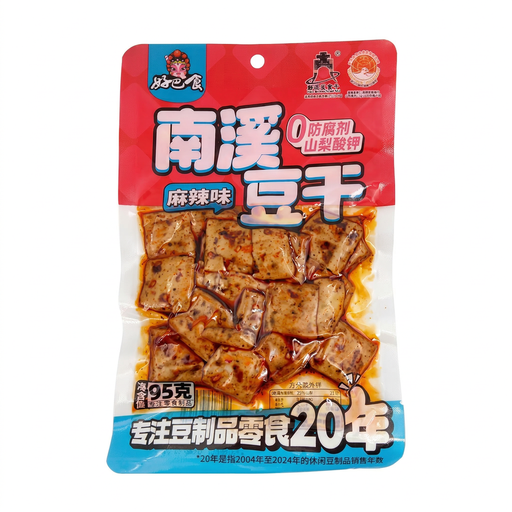
Why this fits the profile: A compact 95 g pack to try Sichuan-style tofu without committing to a large stock. According to the packaging, the product is ready-to-eat.
The usage instructions state to consume directly. This makes it clear that it is not a tofu stick for soaking. However, do note the warning about liquorice and the salt content of 2.4 g per 100 g.
18.5 g protein per 100 g, individually wrapped and suitable as a snack, side dish or on-the-go treat.
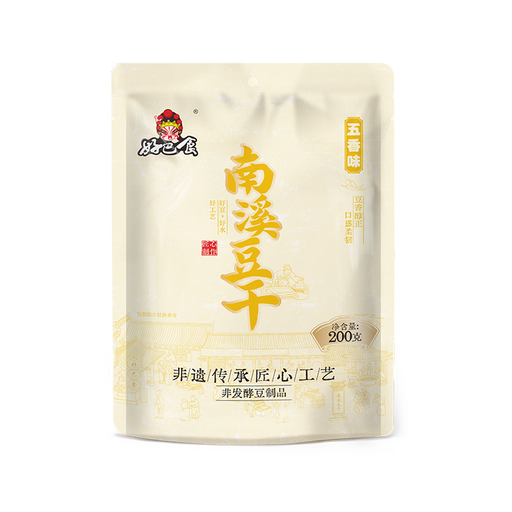
Why this fits the profile: The 200 g pack is ideal for fans of a firm tofu jerky with five-spice and a chewy texture.
The product information provides nutritional values, allergens and storage advice. This allows you to verify the protein claim: 20.0 g per 100 g, alongside 17.5 g fat and 2.88 g salt.
200 g content, five-spice blend and ready-to-eat according to the product description. Contains soya, wheat and sesame.
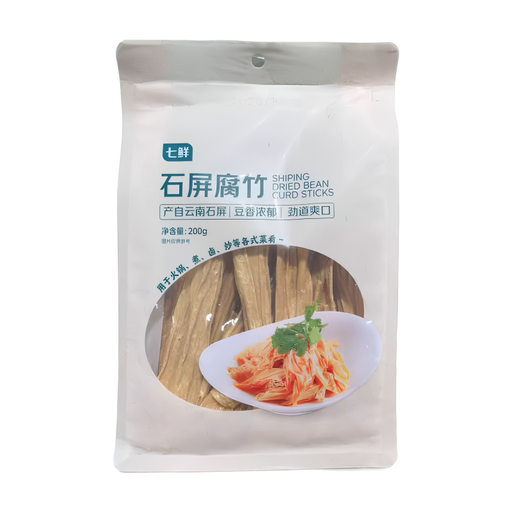
Why this fits the profile: For home cooks looking for dried tofu for hotpot, stir-fries or soup. This is an ingredient, not a snack to eat dry from the packet.
The preparation method is clear: soak in warm water for about 15 minutes, then drain. This prevents you from buying a cooking product as if it were ready-to-eat tofu.
200 g content, soya beans as the only listed ingredient and 43.7 g protein per 100 g according to the product information.
We’ve put together a full, up-to-date list of products that fully meet these strict selection criteria and comply with current European safety regulations.
For a quick snack, eat tofu jerky or tofu bars straight after opening. Pair a spicy variety with rice, noodles or a simple cucumber salad. Mala tofu suits fans of chilli and Sichuan pepper, while five-spice is generally milder and more aromatic.
For hotpot and soup, first soak the tofu sticks according to the packet instructions. Then cut them into smaller pieces and add them only once the broth has developed flavour. In stir-fries, you can briefly cook the soaked sticks with vegetables, mushrooms and a light soy sauce.
Store unopened products as directed: usually in a cool, dry place away from direct sunlight. After opening, seal the packet well and consume the product promptly. If the packaging is damaged, always check the label and the best-before information first.
Many varieties provide around 12 to 24 g of protein per 100 g, but the exact amount varies by product. So check the nutritional information table. Don’t rely solely on the product name for “vegan”: also look at the ingredients, allergens and any flavourings on the packaging.
Only when the packaging states that the product is ready-to-eat. Tofu jerky, tofu strips and some dried tofu snacks are edible straight away. Bean curd sticks and dried tofu for hotpot usually need to be soaked or cooked first.
That depends on the product and the packaging. The best-before date mainly applies to an unopened packet. After opening, product labels generally advise keeping the snack well sealed and consuming it quickly. Always follow the instructions on the label.
