
Vandaag of morgen in huis

Kwaliteit gegarandeerd

Welkomstaanbiedingen ontgrendelen: GRATIS bezorging | Tot 80% korting | Gratis 30 dagen JoyPlus-proefperiode
Download de app
A dried tofu snack can be a handy plant-based treat, but not every product is the same. Some packs contain ready-to-eat tofu strips with plenty of seasoning, while others are actually intended as tofu skin, a hotpot ingredient or a cooking base. If you only look for words like “high in protein”, “traditional” or “authentic flavour”, you could end up buying a product that doesn’t suit your intended use.
This guide will help you objectively compare Chinese tofu snacks, dried tofu, tofu strips and dried tofu skins.
A bag of spicy tofu snack can usually be opened and eaten straight away. Dried bean curd sticks and tofu skin, on the other hand, often need soaking and heating. Always check the preparation instructions.
The protein content on the label is usually given per 100g of product. That makes comparisons possible, but a seasoned snack often also contains oil, sugar, starch and sauce. So a product with a higher number isn’t automatically a better choice for a daily snack.
Alongside protein, also look at:
With dried tofu strips, the protein content per 100g is often higher because they contain very little water. After soaking, the weight increases and the nutritional value per portion changes.
A spicy tofu snack can contain chilli, Sichuan pepper, mala spices, soy sauce, garlic or sweeteners. “Mala” usually refers to a combination of heat and a tingling sensation from Sichuan pepper. If you’re after a mild snack, it’s wise to read the ingredients and flavour description rather than just looking at the front of the pack.
If you’re looking for a chewy snack for on the go, choose a product with a firm and chewy or sturdy, springy texture. Tofu strips and marinated tofu are usually suitable for slow eating. Tofu skin and bean curd sheets are thinner and absorb sauces well, but are more often intended for salads, stir-fries or hotpot.
The shape also determines the use:
Check whether the base is whole soya beans, soya protein isolate or a combination with starch. Products containing soy sauce may also contain wheat. A snack can also contain sesame, liquorice or milky flavourings.
The product information is key. For example, Wuxianzhai lists cereals containing gluten alongside soya, while Genji Food lists soya and sesame. If you eat a vegan diet, also check that there are no milk components or other animal-derived ingredients in the flavourings. When in doubt, it’s best to consult the current label.
According to the product information, unopened snacks can often be stored in a cool, dry place. Once opened, instructions vary:
JOYTOFU, for example, states that the product must be refrigerated after opening and eaten within three days. For tofu skin that needs to be kept chilled, such as FRESHASIA Northern-Style Dried Bean Curd Sheets, the storage instruction is different from that for shelf-stable snack pouches.

Why this fits the profile: This Chinese tofu snack is ready to eat and divided into 7 individual pouches. That makes it easy to try mala tofu without having to soak or cook first.
The packaging clearly states that the product is ready to eat. The portioned packs also prevent an opened package from sitting around for too long.
128g divided into 7 sachets, firm and springy texture, with chilli and Sichuan pepper. Contains soya.
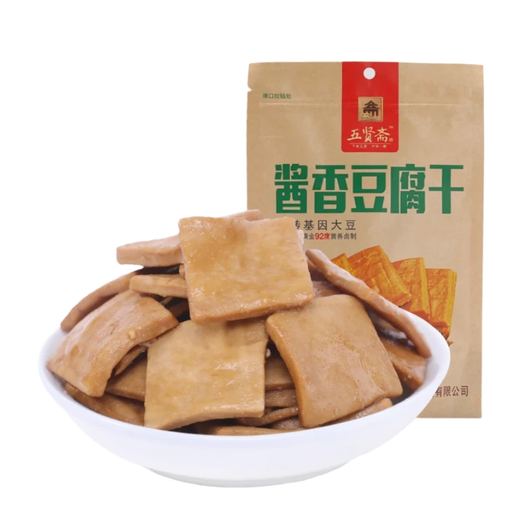
Why this fits the profile: Ideal for anyone looking for a savoury tofu snack with soy sauce who values individual packaging for on the go or with lunch.
The flavour direction and texture are clearly described: savoury, slightly sweet, firm and chewy. The allergen information lists soya and wheat.
18g protein and 3.5g salt per 100g according to the label; 7 to 8 individually vacuum-packed portions; ready to eat.
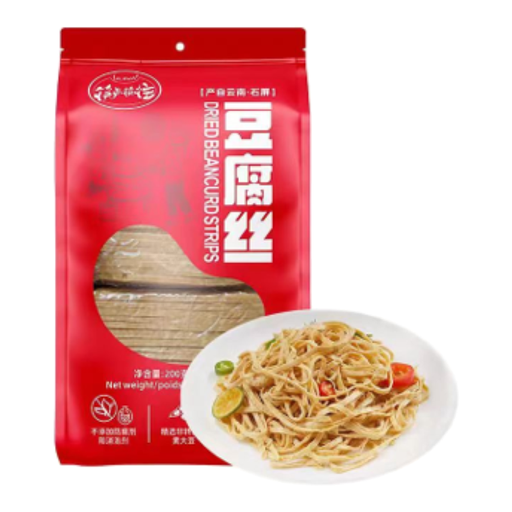
Why this fits the profile: A practical choice if you want to use tofu strips in hotpot, soup, salad, stews or stir-fries.
The product information clearly states that cooking is required. So you know in advance that this isn’t a ready-to-eat snack.
36.9g protein per 100g dry product; 200g net weight; soak in warm water for approximately 20–30 minutes.
For dried tofu skins and bean curd sticks, use warm or cold water as directed on the label. Allow the product to soften, drain well, then heat it in soup, hotpot or a stir-fry. For a salad, you can blanch soaked tofu strips briefly and combine them with cucumber, carrot, garlic, vinegar and sesame oil.
A ready-to-eat dried tofu snack usually doesn’t need to be heated. Do watch your portion size: seasoned varieties often contain quite a lot of salt. Store opened packs according to the instructions and use refrigerated products within the stated time.
We’ve put together a full, up-to-date list of products that fully meet these strict selection criteria and comply with current European safety regulations.
No, not automatically. Check the full ingredients list. Some products contain only soya, water, oil and spices, while others may contain flavourings, cheese-like aromas or wheat. Also look at the allergen declaration.
The shelf life varies by product. Unopened snacks are often best kept in a cool, dry place, but the date on the pack is what matters. Once opened, some products need to be eaten straight away; others should be stored sealed or refrigerated.
Yes, but choose a product that lists hotpot or cooking as its intended use. Bean curd sticks and tofu skin usually need to be soaked first. Ready-to-eat tofu snacks are mainly intended as a snack and, due to their seasoning or salt content, may be less suitable as a neutral hotpot base.
