
Vandaag of morgen in huis

Kwaliteit gegarandeerd

Welkomstaanbiedingen ontgrendelen: GRATIS bezorging | Tot 80% korting | Gratis 30 dagen JoyPlus-proefperiode
Download de app
Dried tofu skins are a handy ingredient if you enjoy cooking Chinese or Asian food, but the range on offer can be confusing. One packet contains long tofu sticks, another has thin sheets for hotpot, soup or rolls. The preparation also differs: some products need to be soaked and cooked first, while seasoned tofu snacks are ready to eat straight away.
As a Joybuy Product Recommendation Officer, I focus on verifiable information: ingredients, nutritional values, weight, storage method and usage instructions. That way, you avoid buying a product that doesn’t suit your recipe or kitchen routine.
Products with names like dried tofu or tofu jerky can sometimes look like ordinary dried tofu skins. However, they aren’t always intended for soaking. The HAO BA SHI Nanxi Tofu Jerky, for example, is a ready-to-eat snack with Sichuan pepper, chilli and spices. You eat it straight after opening and don’t use it as a neutral tofu sheet for soup.
So first check whether the packaging says ready to eat or requires cooking.
Tofu sticks and dried tofu sheets are compactly dried. Without enough soaking, they stay chewy in a hotpot or unevenly hard in a stew. The recommended times range from around 15 minutes to 2–3 hours, depending on thickness and production method.
Use cold or lukewarm water as stated on the packet. Warm water speeds up the process, but check the texture in between. Then rinse the product and let it drain well.
A 1 kg bag may seem good value, but dried tofu expands after soaking. For occasional hotpot meals, 120 to 250 grams is often more practical. Large packs are better suited to families, regular home cooks or shared use. Store an opened bag in an airtight, dry place to avoid moisture and pests.
The base of many soybean sheets is simple: soybeans and water. Other varieties may contain oil, salt, alcohol, preservatives or flavourings. Check the ingredients list if you’re looking for a neutral vegetarian protein source.
Soya is an allergen. Some seasoned varieties also contain wheat, gluten-containing grains or sesame. A product with soy sauce isn’t automatically suitable for a gluten-free menu. Always check the label on the packet.
Not every product with “tofu skin” in its name is shelf-stable outside the fridge. Fresh tofu skin products, such as certain thin Chinese tofu sheets, must be kept chilled at 0–4 °C. Dried tofu sticks can usually be kept in a cool, dry pantry.
Also pay attention to the preparation method:
The nutritional value varies significantly by type. HUASEED Yellow Dried Beancurd Sections, for example, states 42.1 grams of protein per 100 grams of dry product. Kuai Lai Kuai Wang Tofu Skin states 38 grams of protein per 100 grams. These are values for the dry product; after soaking, the weight changes due to absorbed water.
Also look at fat, salt and added sugar. A natural product with soya and water usually has a shorter ingredients list than a fried or seasoned variety. The nutritional values are verifiable on the label, but they alone don’t tell you how firm or soft a tofu skin will be after preparation.
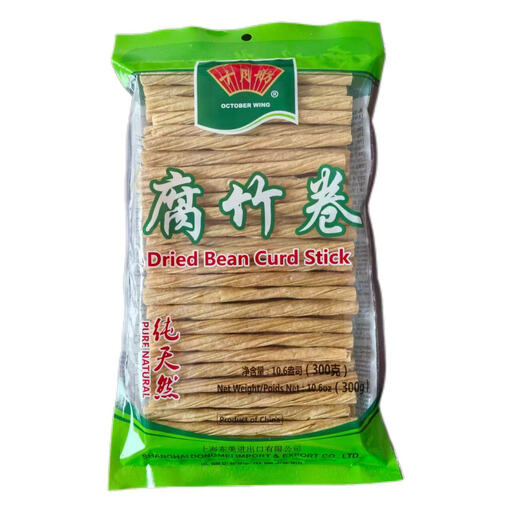
Why this fits the profile: A simple 300-gram pack for anyone wanting to try dried tofu for the first time in soups, stews or stir-fries.
The ingredients list is short: soybeans and water. So you’re not buying a seasoned snack when you’re after a neutral cooking ingredient.
300 grams, suitable for multiple cooking methods and intended to be soaked and cooked before use.
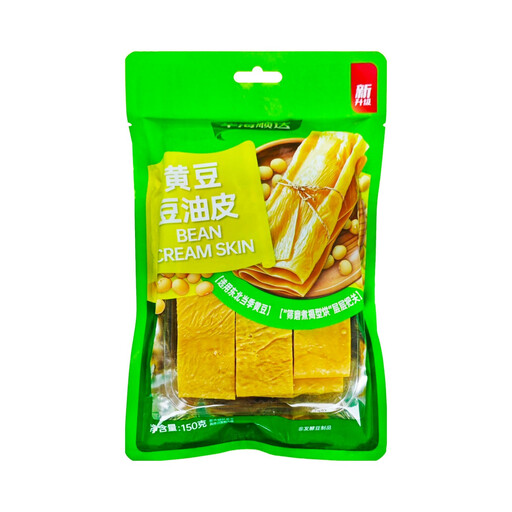
Why this fits the profile: For home cooks who want thin tofu skin for hotpot, soups, cold dishes and rolls.
The product information clearly states that soaking and cooking are required. The 150-gram pack means you’re less likely to end up with too large a supply.
States a protein content of 35.2 grams per 100 grams; suitable for hotpot, soup, stir-fries and cold salads.
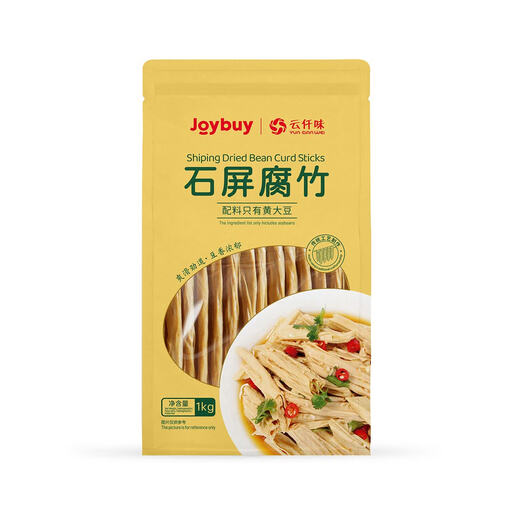
Why this fits the profile: A large stock for people who frequently make vegetarian hotpot, soups, salads or stews.
The packaging states a product made from 100% yellow soybeans and gives a clear soaking time of 2–3 hours.
1 kg pack, 41.3 grams of protein per 100 grams according to the product information, and suitable for long simmering.
We’ve put together a full, up-to-date list of products that fully meet these strict selection criteria and comply with current European safety regulations.
Use this basic approach:
For tofu skin in hotpot, add the product only when the broth is piping hot. Thin sheets often need just a few minutes. Thicker tofu sticks can simmer for longer and are suitable for dishes where they absorb plenty of sauce.
Products with only soybeans and water generally fit within a vegan diet. However, do check the flavourings, soy sauce, dairy ingredients and allergen information. A product can be vegetarian without automatically being vegan.
Store unopened dried products as directed on the packet in a cool, dry place away from direct sunlight. Once opened, store them in an airtight container. The exact best-before date is on the label. Soaked tofu skins must be kept chilled and should ideally be used quickly.
Tofu sticks are rolled or thicker forms of dried soybean sheet. After soaking, they often remain firm and springy, making them well suited to stews and hotpot. Tofu skins are flatter and thinner. You can use them for rolls, salads, soup and stir-fries. Always check the shape and soaking instructions of the specific product.
