
Vandaag of morgen in huis

Kwaliteit gegarandeerd

Welkomstaanbiedingen ontgrendelen: GRATIS bezorging | Tot 80% korting | Gratis 30 dagen JoyPlus-proefperiode
Download de app
Dried tofu is a catch-all term for a range of soy products. In UK shops and online, you’ll find products such as dried bean curd, tofu skin, bean curd skin, yuba, bean curd sticks, strips and knots. They may look similar, but their texture, preparation, shelf life and uses can vary considerably.
Those differences matter. A product that works well in hotpot might be too firm for a salad, while a ready-to-eat spicy tofu snack isn’t meant to be soaked first. Check the details carefully to avoid buying the wrong product.
Not every product labelled “dried tofu” needs soaking. Some tofu snacks are ready to eat and contain oil, sugar, salt, herbs and spices, flavour enhancers or preservatives. Other varieties are made almost entirely from soya beans and water, and need to be soaked and cooked.
Always check the “Usage instructions” or the preparation instructions on the packaging. “Ready to eat” means you can eat it straight away; “cooking required” means you need to prepare it first.
A high protein content is often prominently displayed, but the figures aren’t always directly comparable. For dried products, nutritional values are usually given per 100g of dry product. The weight increases as the product absorbs water during soaking.
Also consider the difference between a simple ingredient and a seasoned snack. For example, the label for Laoli Five-Spice Dried Tofu 70g lists 24.4g of protein and 2.5g of salt per 100g. Jin Zai Thick Dried Tofu Spicy Flavour lists 14.2g of protein and 1.68g of salt per 100g. According to the product information, both are ready to eat, but their ingredients and nutritional values differ.
Dried tofu often keeps for longer than fresh tofu, but not every product is a store-cupboard staple. According to the product information, FRESHASIA Northern-Style Dried Bean Curd Sheets 190g should be refrigerated at 0–4 °C. Other tofu skin products should be stored in a cool, dry place away from direct sunlight.
Check the net quantity too. A 1kg bag is handy if you often cook Asian dishes, but less suitable if you only use tofu occasionally in stir-fries.
For a simple option, choose a product with a short ingredients list, such as soya beans and water. Seasoned varieties may also contain wheat, sesame, oil, sugar, chilli, Sichuan pepper, preservatives and flavour enhancers.
Soya must be clearly listed as an allergen. Some products also list wheat or gluten, for example if soy sauce or wheat gluten has been added. Always check the label if you’re preparing a gluten-free vegetarian dish or need to account for allergies.
The shape determines how you can use the product:
Soaking times vary between products. According to the label, Gusong Dried Tofu Skin needs to soak for around 15–30 minutes. Kuai Lai Kuai Wang Shihping Dried Bean Curd Sticks should be soaked in warm water for 30–60 minutes. Check that there’s no hard centre left after soaking.
Use the nutrition table to compare products more fairly. Look at protein, fat, carbohydrates and salt, while bearing in mind the product’s form. Plain dried bean curd sticks often contain more protein per 100g than a prepared snack with oil and seasonings.
Claims such as “high in plant-based protein” are only useful if you also check the actual protein content. YUN QIAN WEI Shiping Tofu Skin Strips list 43.2g of protein per 100g. The FRESHASIA sheets list 16.5g per 100g. This difference may be down to the ingredients and production method, so always compare the full nutrition table.
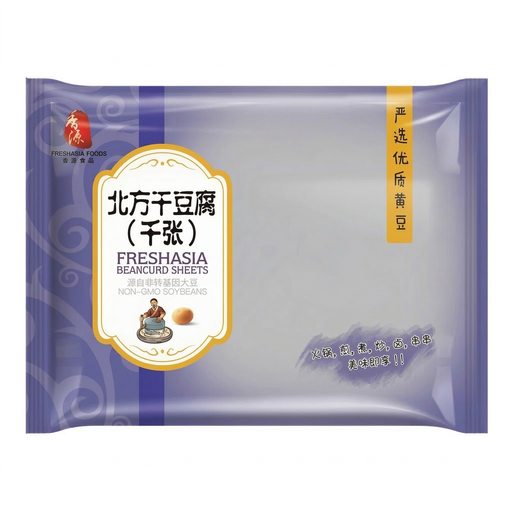
Why it suits this profile: These sheets are versatile enough for salads, stir-fries and hotpot, and can also be used to wrap fillings. The ingredients list states soya beans, water and salt.
The product information clearly states that it needs to be cooked and refrigerated at 0–4 °C. That way, you won’t mistake it for a ready-to-eat snack.
190g, 16.5g of protein per 100g and a firm, springy texture, according to the product description.
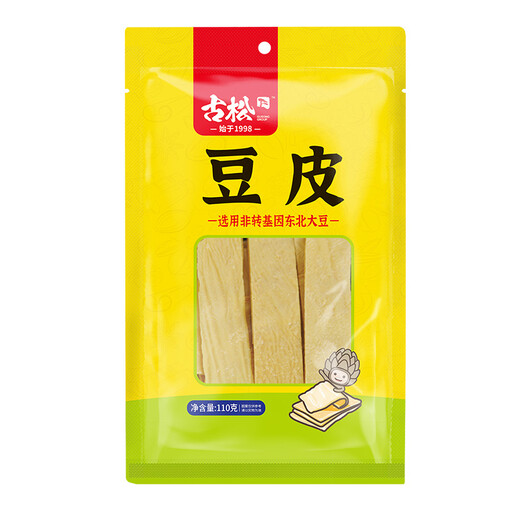
Why it suits this profile: This tofu skin is a good choice if texture and a pronounced soya flavour matter to you in salads, soups, stir-fries and hotpot.
The label gives a soaking time of 15–30 minutes and says that cooking is required. The nutritional information and soya allergen are listed separately.
According to the product information, it contains 41.6g of protein per 100g and comes in a 110g bag.
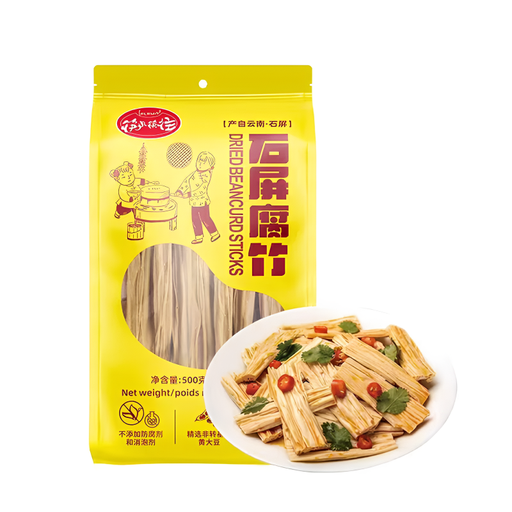
Why it suits this profile: The 500g pack is ideal for households that regularly make Chinese-style tofu dishes, hotpot, soups, stews or vegetarian stir-fries.
This isn’t a snack pack: the product information says to rinse, soak for 30–60 minutes and cook before eating.
Ingredients: soya beans and water. The label lists 44.8g of protein per 100g of dry product and suggests using it in hotpot, soups and stir-fries.
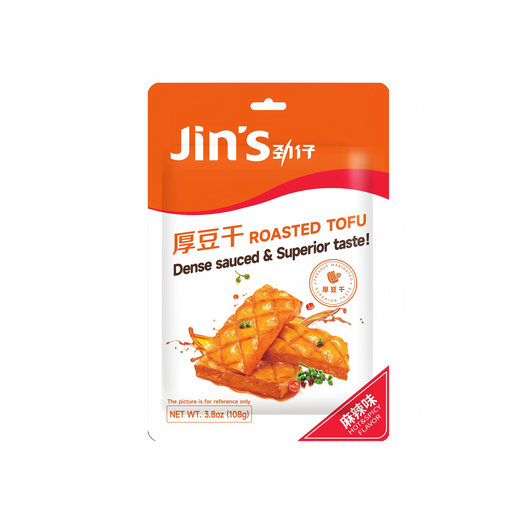
Why it suits this profile: Five small packs make this a handy choice for work, on the go or as a snack alongside a meal.
The product information clearly says “ready to eat”, so there’s no need to soak or cook it. The label does list flavour enhancers and soya as an allergen.
Individually packed portions, 108g in total and, according to the label, 14.2g of protein per 100g.
We’ve put together a complete, up-to-date list of products that meet these strict selection criteria and the applicable European safety requirements.
Bean curd knots and sticks are handy for hotpot because they soak up the stock. Thin strips of tofu skin are more convenient for a quick salad. According to the product information, fried tofu skin can be added straight to a dish, but always check the instructions on your pack.
Not quite. Tofu skin and yuba are made from the layer that forms on the surface of soya milk as it’s heated. Dried tofu can also refer to other pressed or shaped soy products, such as sticks, strips or knots. Check the shape and preparation instructions on the label.
Store unopened dried products in a cool, dry place away from direct sunlight, following the instructions on the packaging. After opening, it’s best to keep the product in an airtight container to protect it from moisture and pests. Refrigerated products, such as some tofu skin sheets, should be kept in the fridge. Always follow the best-before date on the packaging.
Many plain varieties list soya as their main ingredient and provide protein, according to their nutrition table. Seasoned snacks may also contain relatively high amounts of salt, oil or sugar. Check the ingredients list and nutritional information rather than relying on the front of the pack.
