
Vandaag of morgen in huis

Kwaliteit gegarandeerd

Welkomstaanbiedingen ontgrendelen: GRATIS bezorging | Tot 80% korting | Gratis 30 dagen JoyPlus-proefperiode
Download de app
Dried tofu, also sold as dried bean curd, tofu skin or bean curd sticks, is available in many forms. Some varieties are intended for hotpot and stews, while others can be eaten straight from the packaging as a tofu snack. The difference is not always clearly stated on the front of the packaging.
When buying Chinese soya products in the Netherlands, shoppers mainly face three potential pitfalls:
For hotpot, soups, stir-fries and stews, products with a simple composition are practical. Dried Bean Curd Stick 300g and Dried Bean Curd Knot 300g, for example, list soya and water as ingredients. These varieties absorb flavour while soaking and add a firm bite to a dish.
For eating straight away, seasoned products are a better choice. According to the product information, BE&CHEERY Spicy Tofu Strips 200G can be eaten straight from the packaging. The tofu strips have a spicy, mildly numbing flavour and are individually wrapped. With this type of tofu snack, however, always check the ingredients list: as well as soya, this product contains wheat gluten and has 2.6 grams of salt per 100 grams.
The shape determines how you can use the bean curd:
Descriptions such as ‘soft’, ‘chewy’ or ‘firm’ describe the product, but are not a guarantee for every preparation method. The final texture also depends on the soaking time, water temperature and cooking time.
Dried tofu is a vegetarian source of soya-based protein. However, nutritional values can vary considerably. Kuai Lai Kuai Wang Shihping Dried Bean Curd Sticks 500g lists 44.8 grams of protein per 100 grams of dry product. A ready-to-eat snack often contains less protein, while oil, sugar and salt may have been added.
When comparing products, pay attention to:
Always follow the preparation and storage instructions on the packaging. Product information may be changed from one batch or package to another.
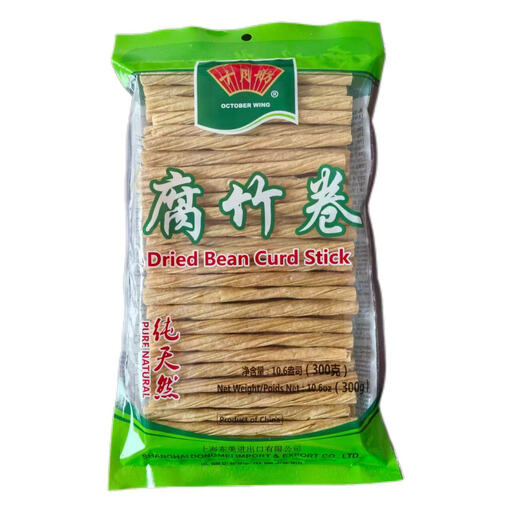
Why it suits this profile: A manageable pack for anyone who wants to try dried bean curd in soup, stir-fries or a small hotpot first.
The ingredients list contains only soya beans and water. There is no confusion with a ready-to-eat spicy snack; cooking is required.
300 grams, simple ingredients and suitable for a range of Asian dishes.
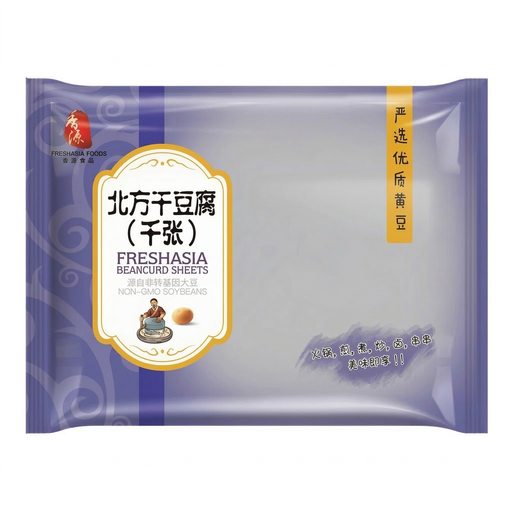
Why it suits this profile: Suitable for home cooks who want to use tofu skin as a wrapper, in salads, stir-fries and hotpot.
The product information explicitly states that it should be refrigerated at 0–4 °C and that cooking is required. This helps you avoid choosing the wrong storage conditions.
16.5 grams of protein per 100 grams and a sheet format that absorbs flavour in a wide range of dishes.
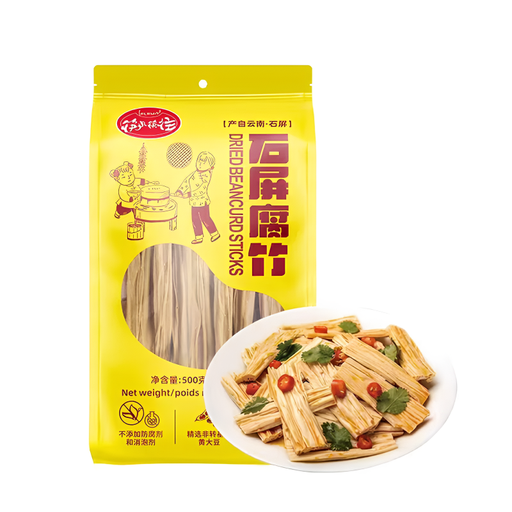
Why it suits this profile: A generous supply for anyone who regularly makes vegan hotpot, soups, stews or stir-fries.
The instructions state that you should rinse the sticks, soak them for 30–60 minutes and then cook them. The preparation time is therefore clear in advance.
500 grams and 44.8 grams of protein per 100 grams of dry product, according to the nutritional information provided.
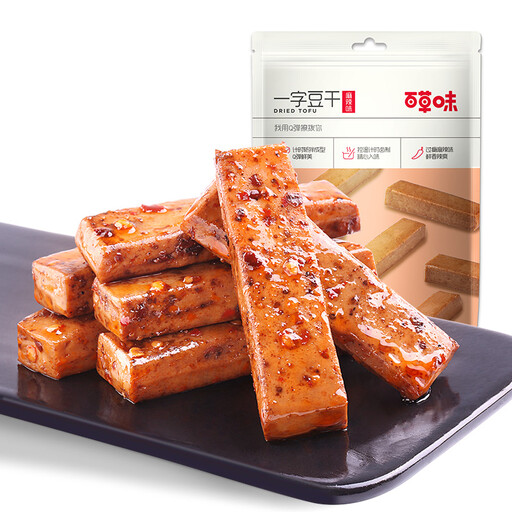
Why it suits this profile: Convenient for eating on the go, with a drink or as a quick vegetarian side dish without soaking or cooking.
The packaging clearly states that the product is ready to eat. The soya and wheat allergens are also indicated.
200 grams, individually wrapped, 12 grams of protein and a spicy flavour, according to the product information.
For dried bean curd sticks, following a set method can be helpful:
A shorter soaking time makes planning easier, but soaking for too little time can leave the centre hard. Tofu skin and sheets may only need a brief soak, while thicker sticks require longer.
For ready-to-eat tofu snacks, preparation is simpler: open and eat straight away. Still, check the serving size and salt content, particularly with spicy tofu containing oil, soya sauce and flavour enhancers.
We have put together a complete, up-to-date list of products that fully meet these strict selection criteria and the applicable European safety regulations.
It depends on the shape and thickness. Product information for different varieties gives soaking times ranging from around 15 minutes to 2–3 hours. Use warm water when the packaging advises this, and check the texture before cooking.
Yes, dried tofu sticks, tofu skin and some tofu sheets are suitable for hotpot. Soak dried varieties first, then cook them in the stock. According to the product description, fried tofu skin can sometimes be added straight to the hotpot.
Dry tofu sticks should generally be stored sealed, in a cool, dry place away from direct sunlight. Check the packaging, as some tofu sheets need to be refrigerated. After opening, it is best to seal the product properly and follow the stated storage period.
