
Livraison le jour même et le lendemain

Qualité garantie

Débloquez vos offres de bienvenue: Livraison GRATUITE | Jusqu'à -80 % | 30 jours d'essai gratuits à JoyPlus
Téléchargez l'application
Dried tofu is available as a ready-to-eat tofu snack, firm tofu strips, tofu skin and dried bean curd for hot dishes. With such a wide range, choosing isn’t always straightforward. A bag of spicy-flavoured tofu is quite different from tofu sheets for hotpot, even if both packets say “dried tofu” or “bean curd”.
The most common buying mistakes usually fall into three areas:
With the checklist below, you can compare dried tofu in a practical way.
Dried tofu is made from soya beans and can take various forms. Tofu strips and marinated tofu are often firmly pressed, seasoned and packed as a snack. Tofu skin, also known as tofu sheets or bean curd sheets, forms as a thin layer on soya milk and is used in soups, salads, stir-fries and hotpot.
Dried bean curd sticks are rolled and dried tofu sheets. After soaking, they develop a spongy, firm texture that absorbs sauces and broth well. They are suitable for vegetarian stews, Chinese hotpot and stir-fries.
So first, check the intended use:
For on-the-go snacking, a ready-to-eat, individually wrapped dried tofu snack is handy. A firm or chewy texture suits those looking for a savoury snack to enjoy slowly. If you want tofu for hotpot, pay attention to the soaking and cooking instructions instead.
A tofu sheet for stir-frying should be pliable enough to cut after soaking, but not fall apart completely. Tofu skin for hotpot should absorb broth without becoming too soft. So check whether the packaging mentions a soaking time. Some dried bean curd sticks need around 30 to 60 minutes in warm water; other tofu strips are pre-cut and quicker to prepare.
Always compare using the same unit of measurement. A snack bag of 95 g or 100 g is not the same as a 30 g portion. Look particularly at:
A high protein content doesn’t automatically make a product suitable for every meal. Use the nutritional information table and allergen details as your guide, not just the front of the packet.
All the tofu products mentioned contain soya. Some snacks also contain sesame, wheat or gluten from soya sauce, wheat gluten or other ingredients. If you have allergies, check the full ingredients list and the warning about possible cross-contamination.
A short ingredients list, such as soya beans and water, indicates a less processed cooking ingredient. A seasoned tofu snack, on the other hand, may contain oil, sugar, flavour enhancers, preservatives and various spices. That’s not necessarily a problem, but it does affect taste, storage options and nutritional values.
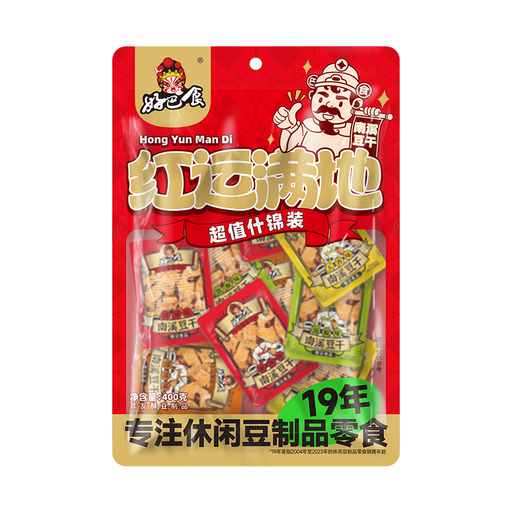
Why it suits this profile: One pack contains mala, barbecue, five-spice and pickled pepper flavours. That makes it easy to compare them without having to buy multiple flavours straight away.
The four flavours are clearly separated in the product information. Do check the salt content per flavour, though; it ranges from 1.95 g to 2.68 g per 100 g here.
400 g total, ready to eat and 16 g protein per 100 g according to the product information. Contains soya and sesame.
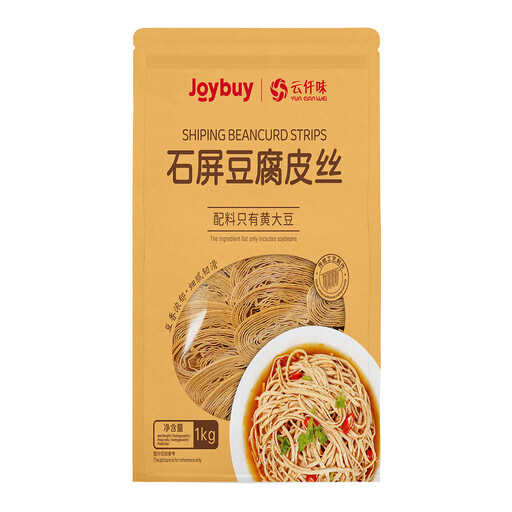
Why it suits this profile: The pre-cut tofu skin is designed for regular use in salads, stir-fries, soups and hotpot.
The packaging states 100% yellow soya beans and cooking after soaking. This makes it clear that it’s not a ready-to-eat tofu snack.
1 kg pack, 43.2 g protein per 100 g and around 30 minutes’ soaking time according to the product information.
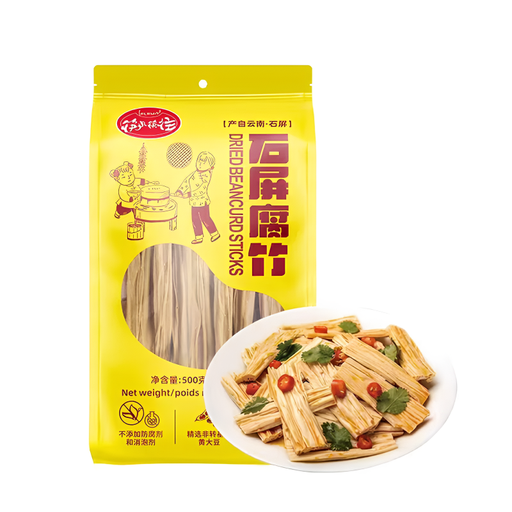
Why it suits this profile: These dried bean curd sticks are suitable for multiple cooking occasions, from hotpot and soup to stews and stir-fries.
The instructions say to rinse, soak for 30 to 60 minutes and then cook. This makes the preparation clear upfront.
500 g, soya beans and water as the only ingredients, and 44.8 g protein per 100 g in the dry state.
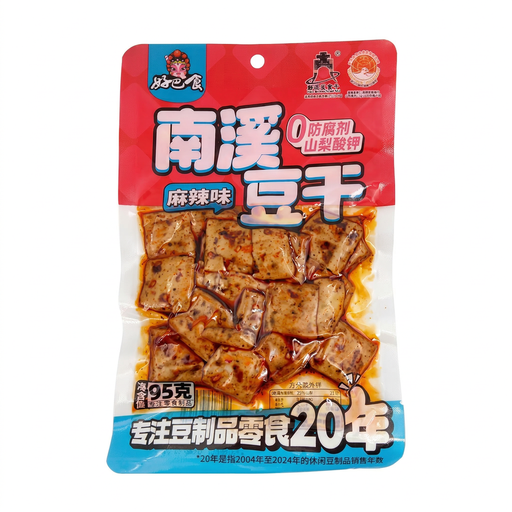
Why it suits this profile: The individually wrapped portion is designed for immediate eating, for example as a snack, with a meal or on the go.
The pack contains 95 g and the instructions say to eat it straight away. According to the label, the snack contains 2.4 g salt per 100 g and liquorice; people with high blood pressure should avoid excessive consumption.
18.5 g protein per 100 g, firm texture and a Sichuan-style flavour with chilli and pepper according to the product description.
We’ve put together a full, up-to-date list of products that fully meet these strict selection criteria and comply with current European safety regulations.
That depends on the product. A tofu snack, marinated tofu and some tofu strips are ready to eat. Tofu sheets and dried bean curd sticks are usually cooking ingredients: you need to soak them and then heat them through. Always check for “ready to eat” or “cooking required” on the packaging.
Unopened snacks are often stored in a cool, dry place away from direct sunlight. Once opened, you should seal them tightly and consume them quickly. Some tofu sheets need to be stored in the fridge at 0–4°C. So follow the specific storage instructions and pay attention to the best-before date.
Many varieties provide protein from soya, but the amount varies by product. According to the product information cited, protein content ranges from 12 g per 100 g for certain tofu strips to 44.8 g for dry bean curd sticks. Also compare salt, fat, sugar and the actual portion size.
