
Vandaag of morgen in huis

Kwaliteit gegarandeerd

Welkomstaanbiedingen ontgrendelen: GRATIS bezorging | Tot 80% korting | Gratis 30 dagen JoyPlus-proefperiode
Download de app
Dried tofu is available as tofu strips, tofu sheets, tofu knots and ready-to-eat tofu snacks. The wide range is useful, but it can also make choosing more difficult. Words such as “high in protein”, “traditional” or “authentic flavour” on the packaging don’t always tell you how to store or prepare the product.
So pay particular attention to the ingredients list, nutritional information, preparation method and storage conditions. This helps you avoid buying a dry snack when you’re looking for tofu for hotpot, or ordering a chilled product when you need something to keep in the cupboard.
Not every soya product with “dried tofu” in its name is completely dry. Some tofu sheets are sold chilled, while fried tofu and tofu knots may be frozen. Always check the storage information:
A longer shelf life doesn’t automatically mean the product is ready to eat. Check the instructions for use too.
Protein content varies between products and is often listed per 100 grams. For dry products, this may refer to their weight before soaking, while chilled tofu sheets have a different composition. So don’t compare dry and moist products without checking the basis for the figures.
Examples from the product information:
“Plant-based” or “high in protein” also tells you nothing about the salt, sugar or fat content. Seasoned tofu snacks in particular can be noticeably saltier than plain tofu because of the sauces, oils and flavourings they contain.
Spicy, five-spice, pickled pepper and stinky tofu mainly describe the flavour. For hotpot, soup or a stir-fry, shape and texture are just as important.
Soya is an important allergen for anyone with a soya allergy. Some varieties also contain wheat or gluten, sesame, alcohol, preservatives or flavour enhancers. For example, Wuxianzhai products containing soya sauce list soya and wheat as allergens. Check the current packaging each time you buy, as recipes can change.
Also check the proportion of soya beans. Some snacks, for example, state that they contain at least 80% or 75% soya, while others combine soya protein isolate, oil, starch and seasonings.
Dry products usually need to be rehydrated first. For October Wing’s dried tofu strips, the suggested method is to soak for 20–30 minutes, then drain and rinse before simmering for around 10–15 minutes. If you don’t soak them for long enough, they may be tough; cooking them for too long can make the texture softer.
Tofu knots are prepared in a similar way. Some fried tofu doesn’t need soaking, but it does need to be defrosted and heated thoroughly. Products labelled “ready to eat”, such as various tofu snacks, can be eaten straight from the packet.
Compare the net quantity, portion size and storage instructions. A 70-gram pack is handy for taking on the go, while 200 or 227 grams is better for sharing at a hotpot or using across several meals.
After opening, store dry products in an airtight container in a dry place. Chilled tofu sheets should be kept refrigerated as directed in the product information and often used within a few days of opening. Frozen fried tofu should be kept at the stated temperature and not refrozen after defrosting. Always follow the best-before date and instructions on the packaging.
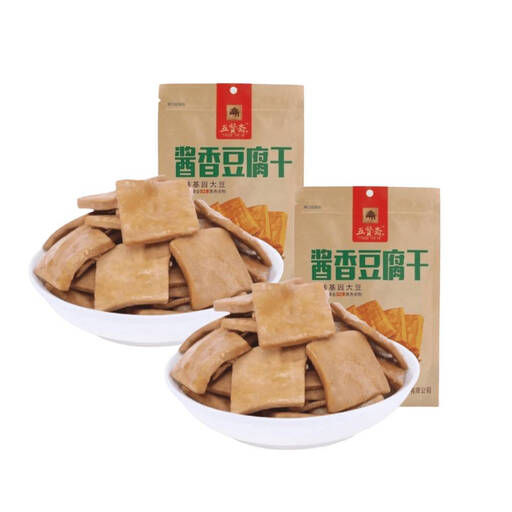
Why it suits this profile: Individually wrapped portions are easy to take with you and eat straight away. The soya sauce flavour works well as a snack or a side dish with rice.
The instructions say that the product can be eaten straight away, so there’s no need to soak or cook it.
According to the product information, it contains 18 grams of protein and 3.5 grams of salt per 100 grams; 108 grams in total, divided into several portions.
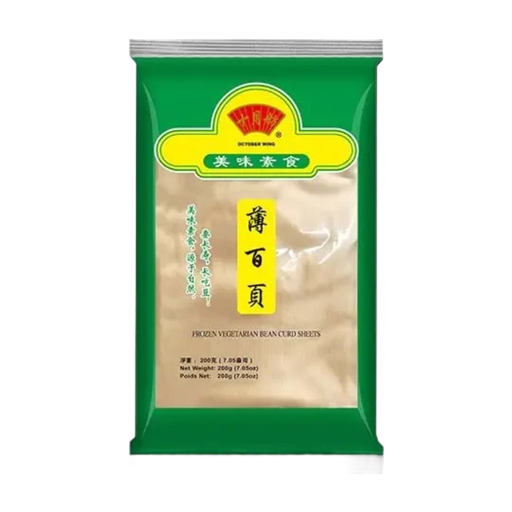
Why it suits this profile: These thin tofu sheets can be used for filled rolls, cold dishes, soups and hotpot.
The product information clearly states that it must be kept chilled at 0–4 °C and heated before use.
200 grams per pack; according to the product information, it contains 15 grams of protein and 4 grams of carbohydrate per 100 grams.
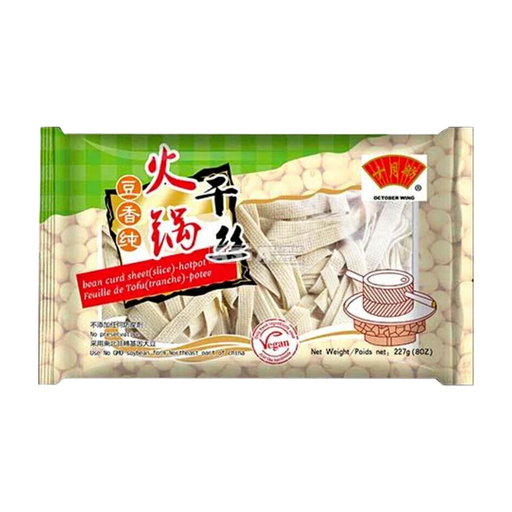
Why it suits this profile: These dried tofu strips are designed for hotpot, mala tang, oden, stews and cold salads.
The pack gives both the soaking time of 20–30 minutes and the cooking time that follows, so you can plan ahead.
227 grams of dried tofu strips; the product information lists approximately 40 grams of protein and 15 grams of dietary fibre per 100 grams of dry product.
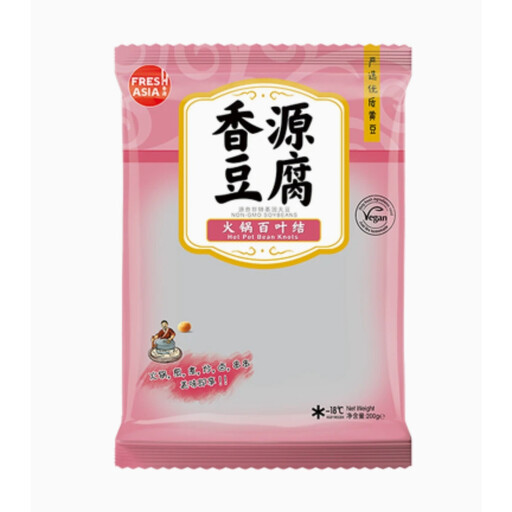
Why it suits this profile: The knotted shape is ideal for hotpot, spicy soup and oden, and helps the broth cling to the product.
The product description recommends a short time in broth and provides storage information for after opening. Check the packaging for the latest instructions.
200 grams per pack; according to the product information, it contains 22 grams of protein per 100 grams and is made with soya, water and salt.
We’ve put together a complete, up-to-date list of products that meet these strict selection criteria and the applicable European safety regulations.
Soak dry tofu strips or knots in warm or cold water for 20–30 minutes. Then rinse them and cook them through in soup, hotpot or a stew. Always follow the instructions on the packaging. Tofu snacks labelled “ready to eat” don’t need to be soaked.
Tahoe is a Dutch term often used for tofu. Dried tofu is a specific processed form with less moisture and a firmer texture. Tofu sheets, bean curd sheets, tofu knots and tofu strips are all different forms of soya product, but they vary in how they’re prepared and in their texture.
An unopened pack of dry tofu can generally be stored in a cool, dry cupboard until the date on the packaging. Once opened, it’s important to keep it in an airtight container to protect it from moisture and pests. Chilled and frozen varieties have different storage requirements. Always check the storage conditions, best-before date and manufacturer’s instructions.
