
Vandaag of morgen in huis

Kwaliteit gegarandeerd

Welkomstaanbiedingen ontgrendelen: GRATIS bezorging | Tot 80% korting | Gratis 30 dagen JoyPlus-proefperiode
Download de app
Dried tofu is popular with vegetarians, vegans and fans of Chinese and Asian cooking. But not every product labelled dried tofu is the same. Tofu sheets, yuba, bean curd skin, tofu sticks and tofu knots all differ in texture, preparation and how they’re used.
Most disappointing purchases come down to three common misunderstandings:
With a few simple checks, you can choose the right type for your dish, whether you’re looking for dried bean curd, tofu for hotpot, fried tofu or ready-to-eat plant-based snacks.
Dried tofu sticks, tofu knots and tofu sheets are usually packed tightly to keep moisture out. They need to be rehydrated before use. Soaking times vary from product to product:
Always follow the instructions on the packaging. For example, Gusong Tofu Skewers need to be cooked or soaked in hot water. A ready-to-eat snack such as seasoned dried tofu, on the other hand, can be eaten straight from the pack.
Claims such as “traditional”, “authentic” or “high in protein” are only meaningful if they’re backed up by the ingredients list and nutritional information. Check in particular:
For example, the product information for Fang Jia Puzi Yuba states that it contains at least 85% soya and 39.3 grams of protein per 100 grams. Gusong Dried Tofu Skin contains at least 80% soya and 41.6 grams of protein per 100 grams, according to its product information. These figures come from the product specifications; they don’t automatically tell you how something will taste or whether it’s suitable for every diet.
The shape affects how the tofu behaves when you cook it:
Think about the quantity too. A 300g bag of dried tofu may look large, but its volume and texture change when it’s soaked. A bigger pack is handy for a family or a generous hotpot; for occasional use, a smaller bag can help reduce waste.
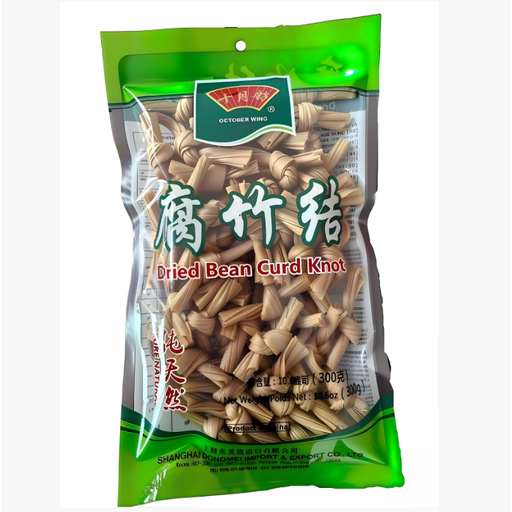
Why it suits this profile: A straightforward choice if you’re trying dried tofu for the first time in soup, stews or vegetarian hotpot.
The ingredients list is short: soya beans and water. The product information also makes it clear that you should store it in a dry, sealed pack.
A 300-gram pack and a neutral base for stock, stir-fries and Chinese tofu dishes.
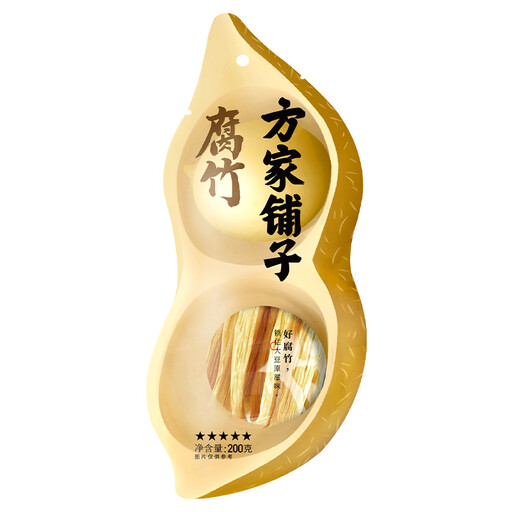
Why it suits this profile: A versatile tofu sheet for home cooks who want something suitable for hotpot, soup, cold dishes and stir-fries.
The packaging clearly states that soaking is required and lists soya and sulphites as allergens. You can check the preparation method and ingredients in advance.
According to the product information, it contains at least 85% soya and 39.3 grams of protein per 100 grams.
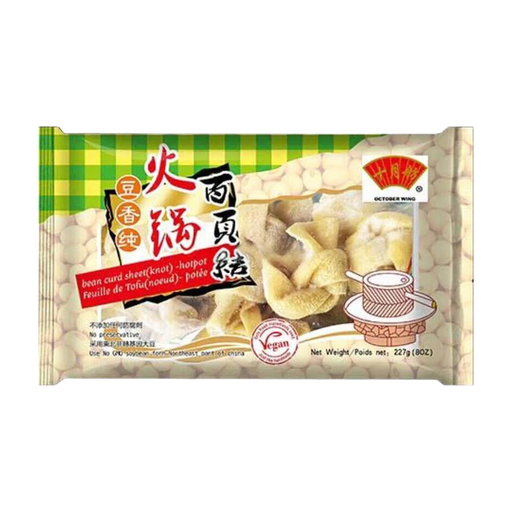
Why it suits this profile: Ideal for fans of hotpot, malatang and stews, where the tofu needs to stay firm while soaking up plenty of stock.
The instructions say to soak it for 20 to 30 minutes, then simmer it for 10 to 15 minutes. This makes the preparation clear from the outset.
The product description says the knot shape makes it suitable for hotpot and stews. The ingredients are soya beans, water and salt.
We’ve put together a complete, up-to-date list of products that meet these strict selection criteria and current European safety regulations.
Store unopened dried tofu according to the label, usually in a cool, dry place away from direct sunlight. Once opened, keep it in a tightly sealed bag or an airtight container to protect it from moisture and pests. Check the best-before date on every pack.
Soak the tofu in cold or lukewarm water until it’s pliable. Rinse it afterwards if you want to reduce excess salt or a strong soya smell. Then cook it in stock, sauce or water. Fried tofu sold frozen should be stored at -18 °C, according to the product information, and used soon after defrosting. Don’t refreeze it if the label advises against doing so.
Usually not. Dried tofu sticks, yuba and tofu knots generally need to be soaked and cooked first. Only products clearly labelled as ready to eat, such as certain tofu snacks, can be eaten straight from the pack.
Unopened dried tofu will generally keep until the date on the packaging, provided it’s stored somewhere dry and out of direct sunlight. Once opened, it’s important to protect it from moisture. Cooked tofu and defrosted fried tofu have a shorter shelf life, so follow the manufacturer’s instructions.
Tofu knots, tofu sticks and yuba are all practical choices. Knots and sticks hold their shape relatively well and soak up stock. Thin tofu sheets soften more quickly. Add dried tofu only after soaking it, unless the packaging gives different preparation instructions.
