
Vandaag of morgen in huis

Kwaliteit gegarandeerd

Welkomstaanbiedingen ontgrendelen: GRATIS bezorging | Tot 80% korting | Gratis 30 dagen JoyPlus-proefperiode
Download de app
A bag of dried snacks might seem like a quick choice. But dried fruit, seeds, dried tofu and biscuits vary widely in their composition, portion size and how easy they are to store. An attractive packet tells you very little about how much fruit, sugar or salt is inside. What’s more, terms like “natural” or “no artificial colours” can distract you from other ingredients.
When you shop online, it pays to focus on information you can actually check. That way, you can avoid a small bag of dried mango that’s mostly added sugar, or a large pack that ends up sitting unused in your cupboard.
Dried fruit can have sugar, glucose syrup or an acidity regulator added. The ingredients list is ordered by quantity. If sugar appears straight after the fruit, it makes up a relatively large part of the product.
So always compare:
With MUSHAN BASE Dried Mango 50g, the product specification shows it contains at least 79.5% mango, plus sugar, glucose syrup and maltose syrup. The label also mentions sulphites. That doesn’t make this snack unsuitable, but it is relevant if you want to avoid certain ingredients.
Brands can say a product is “natural”, “nutritious” or suitable for energy on the go. Treat this as a marketing claim from the brand, not a proven health fact. According to the manufacturer’s own information, OHLA Dried Soursop contains dietary fibre; the product specification gives 10.5g of fibre and 72.6g of sugars per 100g. So the verifiable information you need remains the nutrition table and ingredients list.
You don’t need medical or health claims to compare a snack. Simply look at flavour, texture, ingredients and when you plan to eat it.
A 340g bag might seem handy for a household, but roasted seeds lose their crunch if the pack is left open too often. Dried fruit can become sticky from moisture. Individual packs, on the other hand, are easy to take to the office, school or on the go, but can work out more expensive per gram.
Decide beforehand whether you’re looking for a snack for on the go, a store-cupboard staple, or a topping for yoghurt and desserts.
Don’t just check the first few ingredients – also look at allergens and possible cross-contamination. For example:
With imported products, check the Dutch-language product information and, if in doubt, follow the details on the packaging.
A fair comparison always uses the values per 100g. That stops a small portion from looking more favourable than a larger one.
MUSHAN BASE Dried Mango lists 36.3g of sugars per 100g. The PHILIPPINE BRAND Dried Mango gives around 56g of sugar per 100g and, according to the ingredients list, contains mango, sugar and sulphites. With savoury snacks, the focus is often on salt: Anatolia roasted pumpkin seeds list 3.5g of salt per 100g, while the salted sunflower seeds show 3g of salt per 100g.
For on the go, small packs are practical. For home use, a resealable bag or larger pack may suit you better. Store dried snacks in a cool, dry place away from direct sunlight. Seal the pack well after opening and always check the best-before date on the product.
Dried mango and strawberries are usually soft and chewy. Roasted pumpkin seeds and salted sunflower seeds are crunchy. Dried tofu, on the other hand, has a firm, savoury texture. Choose based on when you’ll eat it, not just the product name.
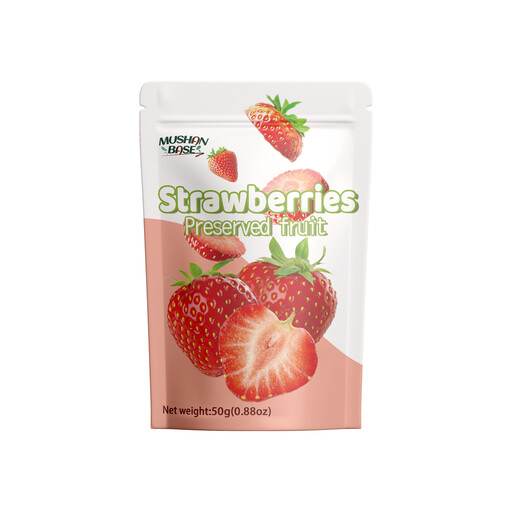
Why it fits this profile: A compact 50g pack is easy to manage if you want to try dried fruit without committing to a large quantity.
The ingredients list is short: dried strawberries and sugar. The product information shows a net weight of 50g and 57.4g of sugars per 100g.
Small portion, chewy texture and works well as a topping for yoghurt or desserts.
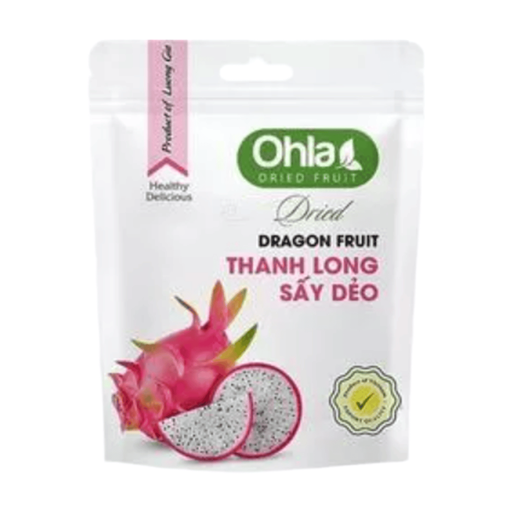
Why it fits this profile: This exotic snack comes in a larger 180g pack, ideal if you want dried dragon fruit for several eating occasions.
The product information lists the main ingredient, a net weight of 180g and guideline values of 375 kcal and 57.5g of sugars per 100g.
A distinctive fruit flavour and a pack size that works well for home use and desserts.
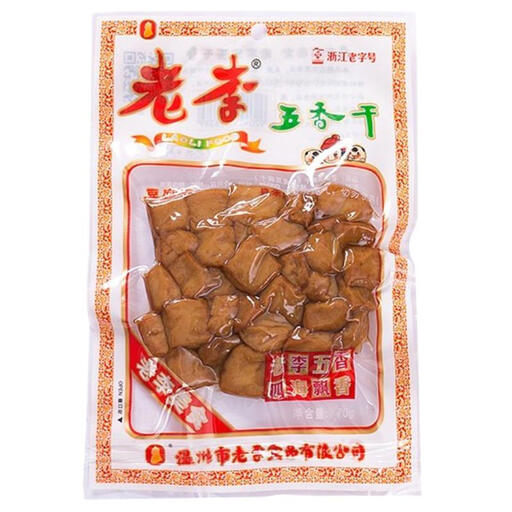
Why it fits this profile: The firm texture and spiced flavour suit fans of savoury Chinese snacks who want something different from fruit or biscuits.
The pack states at least 75% soya beans, a net weight of 70g and 2.5g of salt per 100g. Soya, E621 and E202 are clearly listed.
Ready-to-eat, individually wrapped and with 24.4g of protein per 100g according to the product information.
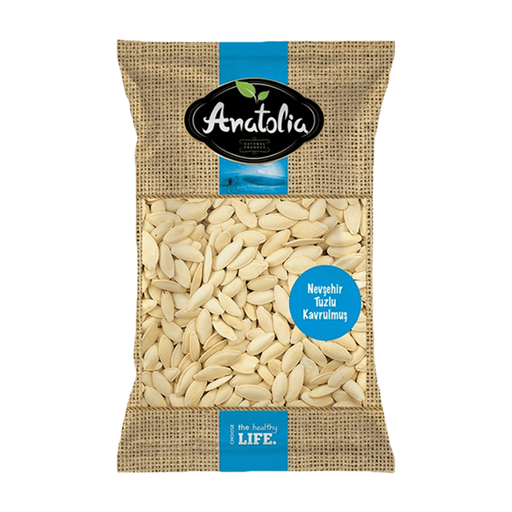
Why it fits this profile: The large pack suits a family, a drinks gathering or use as a topping for salads, soups and bread.
The ingredients are pumpkin seeds, salt and maize starch. The pack states 3.5g of salt per 100g and advises storing in a cool, dry place.
340g, roasted and suitable for eating on their own or adding to dishes.
We’ve put together a full, up-to-date list of products that meet these strict selection criteria and comply with current European safety regulations.
Alongside dried fruit, there are plenty of international choices. Think about dried mango, dried strawberries, dried soursop and dried dragon fruit. For a savoury option, roasted pumpkin seeds, salted sunflower seeds and dried tofu are all good picks. If you fancy something sweet with your coffee, you could also look at speculaas or Danish butter biscuits. Just be aware of the difference between a long-life fruit or seed snack and a biscuit made with flour, butter and sugar.
Yes, especially packs of 50g to 70g are practical for work, travel or a snack on the go. After opening, check whether the pack can be resealed properly. Products with a higher moisture content can become sticky or lose their texture more quickly.
The shelf life varies by product. Always check the date on the pack. Store the snack in a cool, dry place away from direct sunlight. Once opened, it’s important to seal it well; some products recommend refrigerated storage after opening.
That depends on the weight, ingredients and packaging. Dried products generally last longer and take up less space, but the price per 100g can be higher. So compare the net weight and the price per 100g, not just the price of the bag.
