
Vandaag of morgen in huis

Kwaliteit gegarandeerd

Welkomstaanbiedingen ontgrendelen: GRATIS bezorging | Tot 80% korting | Gratis 30 dagen JoyPlus-proefperiode
Download de app
Looking for dried red dates, but unsure whether to choose soft fruits, crispy slices or pitted varieties? Dutch online shops offer a range of products under similar names. Chinese jujubes are usually sweet and versatile, but their texture, ingredients and preparation methods can vary considerably.
A 500-gram pack is handy for tea and cooking, while individually wrapped snacks are better suited to work, school or eating on the go. So don’t just look at the product photo or words such as “natural”; always check the information on the label.
Some dried jujubes contain 100% red dates. Other varieties contain sugar, maltose syrup, palm oil or salt. For example, a crispy red-date snack may be made using vacuum frying, which means it can contain more fat than soft dried fruit.
Always check the ingredients list. Haoxiangni Black Sesame Crispy Jujube lists red dates, sesame, white sugar and palm oil. This combination can create a crisp texture, but it means the product is not the same as an unprocessed dried fruit.
A bag of 500 g red dates may seem appealing if you use the fruit regularly. However, a smaller pack may be more sensible if you only eat them occasionally. Once opened, dried fruit can become softer as a result of moisture in the air.
So check the storage instructions. Store the pack in a cool, dry place away from direct sunlight. Seal an opened bag securely or use an airtight storage container.
When buying pitted red dates, check whether the product information explicitly states “pitted” or “seedless”. With mechanically pitted fruit, the product description may note that a small piece of stone can occasionally remain. Always check the fruit carefully before giving it to children or using it in a dish.
Choose according to how you plan to use the jujubes:
Also pay attention to the preparation method. According to the product description, Haoxiangni Crispy Red Dates 210 g are made from 80% winter jujubes and vacuum-fried. The ingredients list also includes palm oil. This gives the product a different composition from a bag containing only dried red dates.
Compare the ingredients with your own preferences:
According to the product information, the sesame variety includes sesame in its allergen information. Products containing only red dates do not list any allergens, but always check the current packaging before buying.
Nutritional information helps you compare products more fairly. Dried fruit contains little water, so it can be relatively high in carbohydrates and sugars per 100 grams. This does not mean you need to avoid it, but it does mean that a small portion is often enough.
For example:
These figures are product details, not a medical assessment. Use the information primarily to compare different varieties.
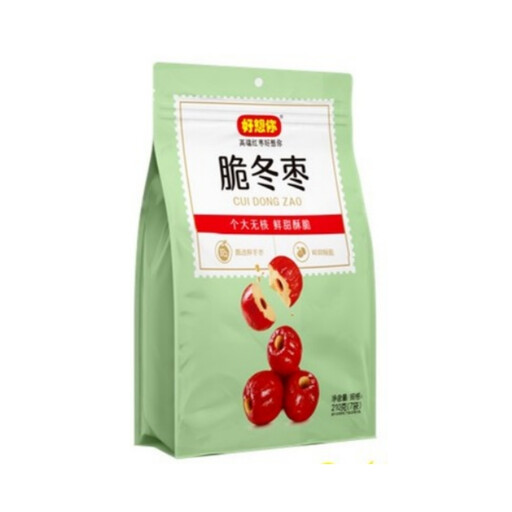
Why it suits this profile: This variety is ready to eat and, according to the product description, has a light, crispy texture. The 210 g pack is a manageable choice if you are trying dried jujubes for the first time.
The ingredients list clearly states 80% winter jujubes and 20% palm oil. This makes it clear that it is a processed snack rather than pure dried fruit.
Crispy texture, ready to eat, with no allergens listed.

Why it suits this profile: The product information states that it contains 100% jujube and is pitted. This makes these soft Chinese jujubes practical for tea, desserts and eating straight from the pack.
According to the listed information, the ingredients consist solely of jujube. No added sugar, oil or preservatives are stated.
280 g, pitted, ready to eat and suitable as a natural sweetener in tea, soup and desserts.

Why it suits this profile: The large, pitted pack is ideal for households that regularly use red dates in tea, cooking, baking, soup or porridge.
The product details list red dates as the only ingredient and describe the fruit as pitted. This makes it a clearer choice than a mixed snack.
500 g contents, 100% red dates and suitable for snacking as well as hot and cold recipes.
We have put together a complete, up-to-date list of products that fully meet these strict selection criteria and the applicable European safety regulations.
Red dates for tea can be sliced or added whole to hot water. For soup, porridge and desserts, soft, pitted fruit is usually more practical than crispy snacks. Try adding them to porridge oats, rice pudding or a stew.
For baking, you can finely chop them and mix them into cake, biscuits or nut bars. With a sweet date snack, however, check whether extra sugar or syrup has been added. A candied variety such as Changsi Hard Candied Jujube 400 g contains sugar and salt according to the product information, making it more of a confectionery-style snack than a staple ingredient for everyday cooking.
Yes, “Chinese jujubes” and “dried jujubes” generally refer to the same type of fruit, which is often called a red date in Dutch. The exact flavour and texture depend on the variety, drying method and any added ingredients.
Store them according to the label in a cool, dry place away from direct sunlight. Seal the opened pack securely. Crispy varieties can lose their crunch when exposed to moisture; some products recommend briefly chilling them if they have become softer. Always follow the instructions on the packaging.
Soft, pitted red dates with no added oil or sugar are generally the best choice for tea, soup, porridge or desserts. A 500 g pack is handy for regular use. For eating straight from the pack, crispy slices or individually wrapped varieties are often more convenient.
