
Vandaag of morgen in huis

Kwaliteit gegarandeerd

Welkomstaanbiedingen ontgrendelen: GRATIS bezorging | Tot 80% korting | Gratis 30 dagen JoyPlus-proefperiode
Download de app
Dried mango is handy for on the go, at the office, in a lunchbox or as a sweet treat with your tea. Yet many packets look alike, while the differences in mango content, sugar, additives, texture and portion size are clearly noticeable.
Pay particular attention to three common pitfalls:
The percentage of mango is often stated in the ingredient information or quantitative ingredient declaration. A higher percentage gives a simple indication of how much of the product is mango, but it doesn’t tell you everything about the taste or sweetness on its own.
Compare, for example:
Then look at sugar, glucose syrup, maltose and syrup. These ingredients can make the texture softer and the taste sweeter. If you’re looking for a less sweet variety, it’s worth comparing the nutritional values per 100g rather than just relying on words like “fruity” or “natural”.
The texture determines whether the snack is pleasant to eat. Soft dried mango is suitable if you like juicy, chewy strips. Dried mango strips are also easy to grab from a bag. Slices can be a bit larger and are great for sharing or adding to yoghurt and muesli.
Check the storage instructions:
A 50g or 70g packet is practical for one-time use. For sharing at home or regular snacking, packets of 160g, 200g or 500g make more sense, as long as you can reseal them properly.
Many varieties contain E223 or another sulphite as a preservative. The label will then carry a warning for sulphur dioxide or sulphites. If you’re sensitive to these, check the full ingredients list and allergen information.
Also look out for colourings. X.O Dried Mango 80g, for example, lists colour E110. Be&Cheery Dried Mango 120g states in the product description that it contains no artificial colours and uses ingredients such as mango, sugar, citric acid and potassium sorbate. Always check the packaging, as product information can change.
Nutritional values vary. For instance, MUSHAN BASE states 343 kcal and 36.3g sugar per 100g, while Yan Jin Pu Zi Coconut Flakes Mango Strips states 367 kcal and 68.8g sugar per 100g. That difference makes it clear why comparing is more useful than just relying on the front of the packet.
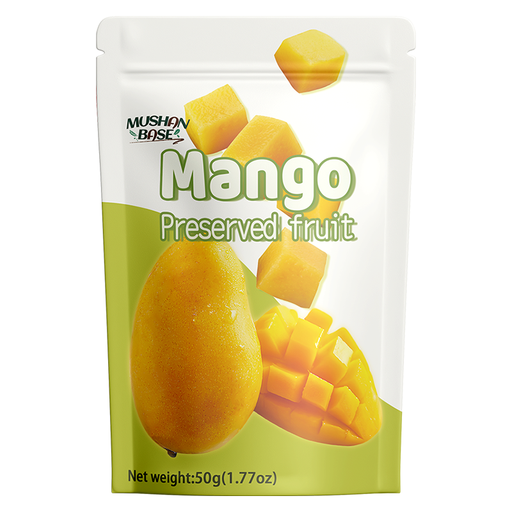
Why this fits the profile: The small packet is straightforward for anyone wanting to try dried mango for the first time or looking for a portion to take on the go.
The product information states the mango content of at least 79.5% and a net weight of 50g. This makes the contents clear upfront.
Soft, chewy texture; individually wrapped; 50g per packet.
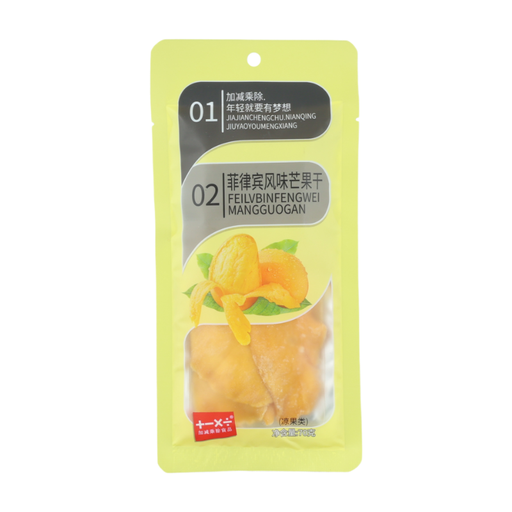
Why this fits the profile: This Philippine-style variety appeals to fans of a distinctive sweet-and-sour mango flavour with a soft texture.
The product description states 90% mango and no artificial colours. The ingredients list does mention sugar, citric acid and sulphites.
90% mango according to the product information; 70g; suitable for snacking or adding to yoghurt and muesli.
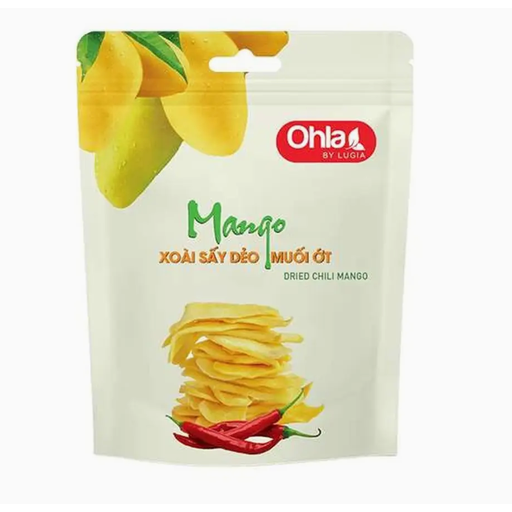
Why this fits the profile: A practical choice for anyone who regularly wants to share or take along a spicy dried mango.
The flavour direction is clear upfront: mango with chilli. The product information states no artificial flavourings or preservatives, but does mention sulphites.
200g; combination of sweet, sour and chilli; consume within seven days of opening according to the product information.
We’ve put together a full, up-to-date list of products that fully meet these strict selection criteria and comply with current European safety regulations.
Store dried fruit in a cool, dry place and keep the bag away from direct sunlight. Seal an opened packet carefully. This will keep the texture pleasant for longer, although the shelf life after opening can vary from product to product.
Try dried mango slices or strips:
With varieties from Thailand, the Philippines or Vietnam, pay attention to the flavour description. A Thai dried mango, for example, may contain herbs, salt or spices. A Philippine dried mango is often described as soft and sweet-and-sour, but check the ingredients for the exact composition.
Dried mango is fruit, but because of the drying process and any added sugar, it contains relatively high carbohydrates per 100g. So check the nutritional information table and keep an eye on portion size. The term “healthy” is no substitute for checking the ingredients.
The unopened shelf life is stated on the packet. After opening, many product descriptions advise sealing the bag tightly and consuming the product quickly. Store the mango in a dry, cool place. If the smell, taste, colour or texture seems off, it’s best not to eat it.
This varies by variety. The product information for the items mentioned lists sugar, glucose syrup or maltose among the ingredients. Always check the ingredients list and the nutritional values per 100g. “No added colours” does not automatically mean “no added sugar”.
