
Vandaag of morgen in huis

Kwaliteit gegarandeerd

Welkomstaanbiedingen ontgrendelen: GRATIS bezorging | Tot 80% korting | Gratis 30 dagen JoyPlus-proefperiode
Download de app
Dried mango is handy for on the go, at school, at work, or as an addition to yoghurt and breakfast cereals. Yet many bags look alike, while there are clear differences in mango content, sugar, texture, packaging and allergens.
If you only look at the picture or words like “tropical” and “natural”, you could end up buying a product that is too hard, too sweet, or less suited to your personal preference. With this practical buying guide, you can compare dried mango and alternatives such as mango mochi, mango sweets and mango chutney based on verifiable product information.
A packet may feature mango as the main ingredient, but the ingredients list can also include sugar, glucose syrup or maltose. With Yan Jin Pu Zi Large Dried Mango Slices, the product information states the product consists of 83% mango, along with sugar, glucose and maltose. The nutritional information shows 61.5 grams of sugars per 100 grams.
If you want a mango with no added sugar, check whether only mango is listed as an ingredient. Also pay attention to brand claims. According to its own product description, PHILIPPINE BRAND Dried Mango is described as having no added sugar, while the ingredients information on the same page also mentions sugar. Therefore, always check the label on the packaging you receive.
“Soft”, “chewy” and “tender” mainly describe the expected eating experience. The softness may be linked to moisture retainers, syrups or the way it is packaged. Jiajianchengchu Dried Mango Vietnam Flavor, for example, mentions a soft, slightly sticky texture and contains sugar, glucose or flavour components and preservatives.
A resealable bag helps maintain the texture after opening, but dried mango remains prone to drying out. So seal the packaging properly and follow the storage instructions.
“Thai dried mango”, “Filipino dried mango” and “Vietnamese style” can refer to the recipe, flavour or presentation. That is not automatically the same as the country of origin. For instance, Jia Jian Cheng Chu Philippine Style Dried Mango is produced in China according to the product information, despite the Filipino style.
When comparing, look at the Country of Origin, the mango percentage and the full ingredients list. That gives you more information than just the name on the front.
A higher mango percentage can be useful if you are looking for a more pronounced fruit flavour, but it doesn’t tell you everything about sweetness or texture. Compare, for example:
Also check whether sugar, syrup, acidity regulators, colourings, flavourings or preservatives have been added.
Dried fruit contains less water than fresh fruit. As a result, carbohydrates and sugars per 100 grams can be relatively high. According to the nutritional information provided, the products mentioned range from 292 to 378 kcal per 100 grams, with varying sugar values.
Don’t just compare the price per bag, but also the price per 100 grams. A bag of 50 or 70 grams is practical for a bag or lunchbox, while a pack of 160 or 227 grams may be more suitable for sharing.
Many dried mangoes in this range list sulphites as an allergen or preservative. Read the allergen information carefully if you need to avoid sulphites. Other mango snacks contain milk or egg. BAMBOO HOUSE Double Filling Mango Mochi, for example, lists milk and egg, while Cozzolino Mango Jelly Bonbons contain milk.
“No artificial colourings” or “no preservatives” should only be assumed when this is clearly stated on the current label. Product information can change; the packaging remains the deciding factor.
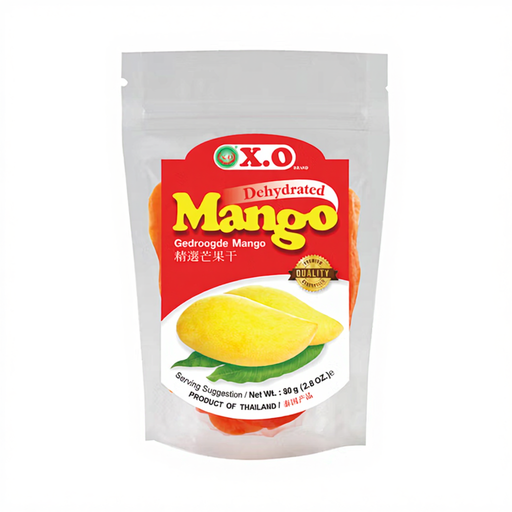
Why This Fits Their Persona: A compact pack for anyone wanting to try a mango snack for the first time or looking for something small to take on the go.
The product page states the mango pulp content of 65% and mentions sulphites, so you can check the composition beforehand.
80 grams; 43 grams of carbohydrates per 100 grams according to the product information; ready to eat.
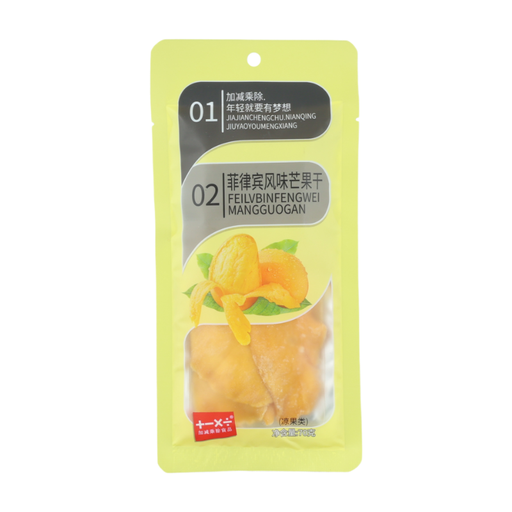
Why This Fits Their Persona: Suits anyone looking for a chewy mango with a sweet and sour flavour in a small portion pack.
The ingredients list states 90% mango and also clearly mentions the sulphite allergen.
70 grams; according to the product information, 335 kcal and 64 grams of sugar per 100 grams.
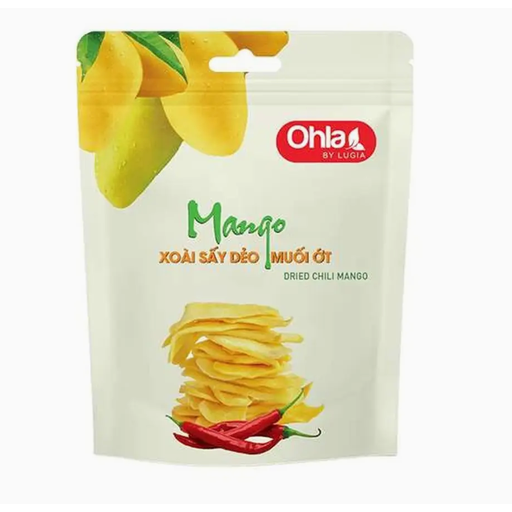
Why This Fits Their Persona: A larger pack for home, for sharing, or for anyone who wants to combine sweet, sour and chilli.
The ingredients list mango, sugar, chilli and sulphites, so the spicy flavour is not just a marketing claim.
200 grams; chilli in the ingredients list; according to the product information, 334 kcal per 100 grams.

Why This Fits Their Persona: The 227-gram pack is suitable for multiple snacking occasions at home or for sharing with others.
The description mentions a sweet and sour flavour with chilli and a soft, sticky texture. If you have allergies, do check the current label.
227 grams; large mango pieces; spicy flavour according to the product description.
Not every mango snack is dried fruit. Patak’s Mango Chutney contains 43% mango according to the product information and is intended as an accompaniment to poppadoms, in a salad or on a sandwich. It is not a substitute for a bag of dried mango, but it is a useful mango product for savoury meals.
For a sweet-like texture, there are Cozzolino Mango Jelly Bonbons and Cokoc Mega Trophy Gummies Mango. According to the ingredients lists, these products mainly contain sugar or glucose syrup and only a limited amount of mango or mango juice. BAMBOO HOUSE Mango Mochi combines mango paste with a milky filling and contains milk and egg.
Maaza Mango Drink is also an alternative for a mango beverage. The product information states 17% mango purée and added sugar. Store an opened bottle in the fridge according to the label.
Browse a current selection of sweet mango products and compare packs, ingredients, flavours and usage occasions.
It can be, but always check the full ingredients list. A product claim on the product page may differ from the information on the packaging. If sugar, glucose, maltose or syrup is listed, the product is not made solely from dried mango.
Store the bag in a cool, dry place, away from direct sunlight and tightly sealed. Some products advise consuming the contents immediately after opening. Therefore, follow the instructions on the current label. A resealable pack helps prevent drying out, but does not replace correct storage.
Small packs of 50 to 80 grams fit easily into a bag or lunchbox. For sharing or multiple eating occasions, bags of 160 to 227 grams are more practical. When transporting in a warm car or rucksack, make sure the pack stays properly sealed so the mango does not dry out or become sticky.
