After a workout, dried fruit is best treated as a measured fruit addition, not your only source of protein. Based on the labels, 20 g portions of the Albert Heijn, PLUS and Jumbo apricots reviewed provide approximately 0.80 g, 0.68 g and 0.64 g of protein respectively. If you want more protein, you could pair the fruit with, for example, quark, yoghurt or a suitable plant-based protein source, and assess the combination as a whole.
Who is dried fruit for after exercise?
Sportspeople looking for extra protein
You want to know how much a weighed portion adds to your protein intake, and whether you’d like to include another source of protein as well. Voedingscentrum notes that recreational athletes don’t need special protein products.
Sportspeople keeping an eye on portions
You want to match the amount of dried fruit to your snack, so you check the portion size and nutritional information, including total and added sugars.
Sportspeople looking for a convenient topping
You want to mix fruit into yoghurt or breakfast cereal, so you choose a variety whose uses and storage instructions suit the way you plan to use it. Albert Heijn suggests these uses for the soaked apricots reviewed.
What should you look for when choosing?
First decide whether you want to eat the fruit as a small addition or pair it with a separate source of protein. Also check the portion you’ll actually eat, the ingredients, allergens and storage instructions for that specific variety.
| What to consider |
What should you check? |
Who should pay closer attention? |
| Protein per portion |
Compare the protein per 100 g with the amount you actually eat. Also consider whether you want to add a separate source of protein to your snack. |
After a workout, I want to know what my weighed portion of fruit contributes and whether I’d like to pair it with something else; around 36% of consumers prioritise protein content. |
| Portion size and sugars |
Check both total and added sugars, and look at the nutritional information for the portion you eat. |
If I want to measure my portion carefully, I shouldn’t just look at the front of the pack; around 29% of consumers pay most attention to portion size and sugars. |
| Use and storage |
Check that the variety suits how you plan to use it, where you’ll store it and what instructions apply after opening. |
If I’m using it as a topping for yoghurt or breakfast cereal, I want to know how to store the opened pack; around 21% of consumers focus mainly on ease of use and storage. |
| Ingredients and allergens |
Read the ingredients list and allergen information for both the fruit and any additional source of protein. |
If certain ingredients aren’t suitable for me, I want to check the whole combination; around 14% of consumers prioritise avoiding specific ingredients. |
Common buying mistakes
-
Confusing protein per 100 g with the protein in your snack
A figure per 100 g on the label doesn’t automatically tell you how much protein is in a smaller portion. The labels for the Albert Heijn, PLUS and Jumbo apricots reviewed give values per 100 g.
Multiply the value per 100 g by the weight of your portion, then divide by 100.
-
Assuming no added sugar means little total sugar
The label for PLUS Dried Apricots states 0 g of added sugars and 53.4 g of total sugars per 100 g.
Check both figures and take into account how much you eat.
-
Applying one variety’s storage instructions to another
AH Soaked Dried Apricots should be refrigerated after opening, at a maximum of 7 °C.
Check the instructions on the pack you buy and follow them after opening.
-
Assuming pitted apricots can never contain pit fragments
Jumbo states that, in exceptional cases, the pitted apricots reviewed may contain pit fragments.
Bear this warning in mind when eating or preparing the apricots.
Supermarket brands to compare
Albert Heijn
Albert Heijn describes the AH Soaked Dried Apricots reviewed as a topping for yoghurt and breakfast cereal.
- The product information states that they contain 90% dried apricots and water, and 4 g of protein per 100 g.
- This variety contains sulphites and should be refrigerated after opening. This information applies only to this variety.
Jumbo
The Pitted Dried Apricots reviewed are available in a 250 g pack; the label gives nutritional values per 100 g and per 20 g.
- The product information states that they contain 99.8% apricots and 3.2 g of protein per 100 g.
- This variety contains sulphites. Jumbo also warns that it may contain nuts, peanuts and sesame, and that pit fragments may be present.
Lidl
Lidl sells dried fruit and nuts under the Alesto brand, including apricots.
- The range includes fruit, nuts and mixes to enjoy as a snack or use as a topping.
- Check the ingredients and nutritional information for each variety you choose; the range description alone doesn’t tell you how much protein it provides.
ALDI
ALDI describes its 250 g pack of Trader Joe's Sun-Dried Apricots as soft.
- The product page gives the product name and pack size of 250 g.
- The description of the texture doesn’t tell you how much protein the apricots provide or whether they’re suitable as a source of protein.
PLUS
PLUS Dried Apricots are sold in a 375 g stand-up pouch.
- The product information states that they contain 3.4 g of protein and 0 g of added sugars per 100 g.
- The label also lists 53.4 g of total sugars per 100 g and sulphite as a preservative. Store this variety in a cool, dry, dark place.
Dirk
Dirk sells pitted apricots in a 200 g pack.
- The product name and net weight are stated.
- The pack size doesn’t tell you how much protein the apricots provide; check the nutritional information on the pack you choose.
Dried fruit at Joybuy
This selection includes dried fruit to enjoy as a snack or add to a dish. Think of the fruit as an addition, and consider its protein content alongside the rest of your diet.
 No image available
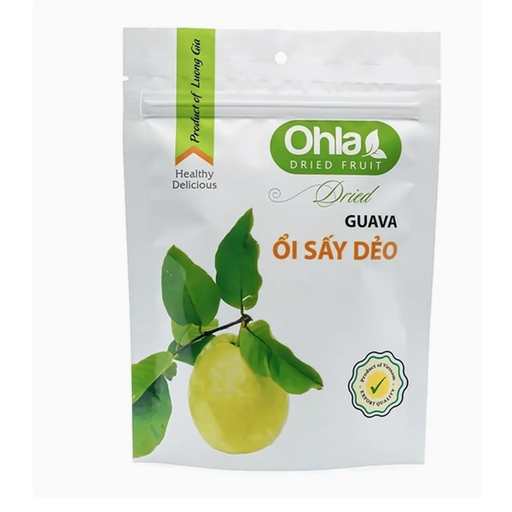
OHLA dried guava 180 g
A good option if you’re looking for dried guava to enjoy as a snack or use as an ingredient. Don’t rely on the fruit as your only source of protein after a workout; check the ingredients and nutritional information if sugar is a factor in your choice.
View at Joybuy
 No image available
PHILIPPINE BRAND dried mango 100 g
An option if you’re looking for dried mango as a snack or topping; the product description mentions individually wrapped portions and suggests adding it to yoghurt or breakfast cereal. Check the ingredients if sugar or sulphites are a concern for you.
View at Joybuy
 No image available
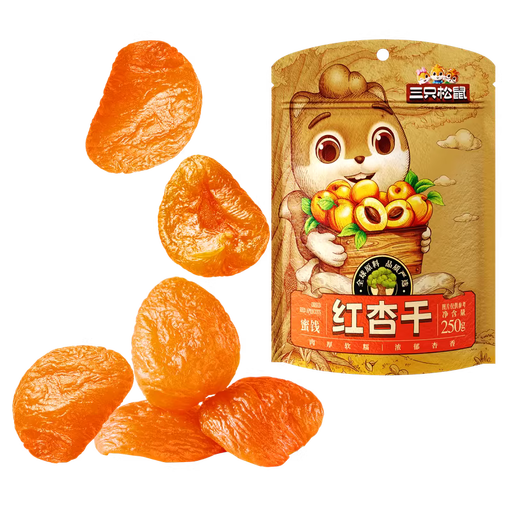
Three Squirrels dried red apricots 250 g
A good choice if you’re looking for dried apricots to eat straight from the pack, pop in a lunchbox or use in recipes. Check the ingredients for sugar, maltose syrup and sulphites if these matter to you.
View at Joybuy
 No image available
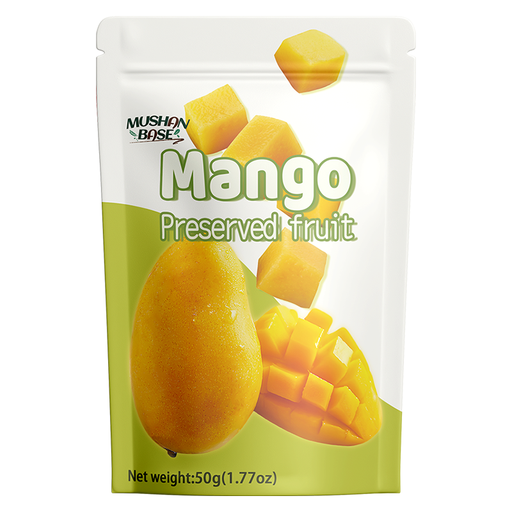
MUSHAN BASE dried mango 50 g
The 50 g pack is ideal if you’re looking for a small amount of dried mango. Check the ingredients list if sugar, glucose powder or maltose syrup are a factor in your choice; don’t rely on the fruit as your only source of protein.
View at Joybuy
 No image available
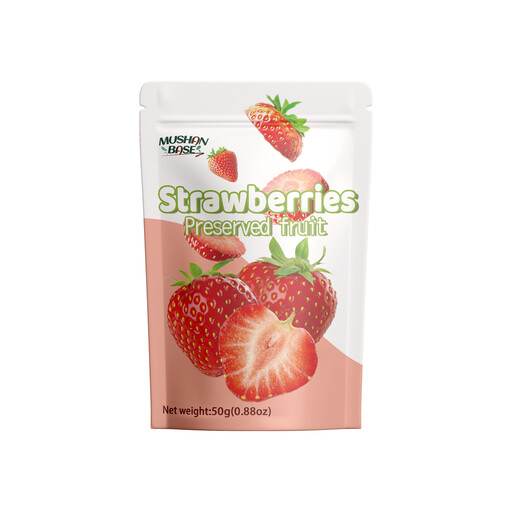
MUSHAN BASE dried strawberry slices 50 g
An option if you’re looking for dried strawberry slices to enjoy as a snack or add to yoghurt, breakfast cereal or porridge. Check the ingredients for sugar, and consider the protein content alongside the rest of your food.
View at Joybuy
Frequently asked questions
Do recreational athletes always need a special high-protein snack?
No. According to Voedingscentrum, recreational athletes don’t need special protein shakes or bars. Start by looking at your usual diet. Dried fruit can be an addition, but it isn’t automatically a source of protein for a complete snack.
How do you calculate how much protein is in a portion of apricots?
Multiply the value on the label per 100 g by the weight of your portion, then divide by 100. Based on the labels from Albert Heijn, PLUS and Jumbo, 20 g of the varieties reviewed provides approximately 0.80 g, 0.68 g and 0.64 g of protein respectively.
Can you store all dried apricots outside the fridge after opening?
No. Follow the instructions for the specific variety. AH Soaked Dried Apricots should be refrigerated after opening, at a maximum of 7 °C; storage advice can vary from product to product.
What should you check for allergens in dried fruit and a topping?
Check the ingredients and allergen information for both the fruit and the food you’re pairing it with. Jumbo states that the apricots reviewed may contain nuts, peanuts and sesame; the NVWA explains that allergen information must be shown on the label of prepacked products.
Does every product containing protein automatically qualify as high-protein under the law?
No. The presence of protein alone doesn’t confirm that a product meets the requirements for a nutrition claim. The European Commission explains that nutrition claims must meet the relevant requirements; the NVWA checks that protein claims are adequately substantiated.


