
Walkers who want to assess fat and calories separately
If reducing fat is your main reason for buying, compare the fat content of the exact product variant, then check its energy content and portion size separately.


When choosing dried fruit for a walk, decide what you mean by ‘lighter’: less fat per 100 g or less energy per portion. For the EU ‘low fat’ claim on solid foods, the European Commission sets a limit of 3 g of fat per 100 g. Also compare the energy content of your portion, and for longer walks, plan separately what food and drink to take with you.
If reducing fat is your main reason for buying, compare the fat content of the exact product variant, then check its energy content and portion size separately.
For a longer walk, it helps to plan in advance how much food and drink to take, and how to store an opened pack. In its walking advice, PlusOnline distinguishes between a short stroll and longer walks.
If allergens affect your choice, read the information on the pack for the exact product variant. The Netherlands Food and Consumer Product Safety Authority lists sulphites, nuts, peanuts and sesame among the allergens to look out for.
First decide whether by ‘lighter’ you mean less fat or a smaller energy portion: these are different criteria. Also match the amount you take with you to the length of your walk, and check the storage instructions on the exact pack.
| What to consider | What should you check? | Who might this matter more to? |
|---|---|---|
| Fat content and claims | Check the total fat per 100 g for the exact product variant. For the EU ‘low fat’ claim on solid foods, the European Commission sets a limit of 3 g per 100 g. | If I mainly want less fat, I compare the fat content and don’t treat a comparative claim as proof without the supporting evidence. Around 31% of consumers choosing dried fruit for a walk put fat content first. |
| Energy and portion size | Compare the declared energy on a like-for-like basis and consider how many grams you actually want to eat. | If by ‘lighter’ I mainly mean a smaller energy portion, I look at how much I take and eat. Around 25% of consumers give energy content and portion size top priority. |
| Taking it with you and storage | Follow the storage advice on the exact pack and check whether you can seal it securely after opening. | If I use a pack over several occasions, I want to know how to store it while I’m out and at home. Around 19% of consumers put portability, resealing and storage first. |
| Allergen information | Read the allergen information and warnings on the pack; check relevant ingredients such as sulphites, nuts, peanuts or sesame. | If I have an allergy or another relevant dietary restriction, I check the exact product variant first, even if it meets my other requirements. Around 13% of consumers name checking allergens as their top priority. |
| Shopping convenience and pack size | Choose a pack size that suits how you’ll use it and check which shopping options are available in your area. | If I mainly want to know what quantity is practical and how I can shop for it, I compare pack sizes and places to buy. Around 12% of consumers put shopping convenience and a practical pack size first. |
The ‘low fat’ claim refers to fat content. Energy content and other nutritional values are listed separately in the nutrition information.
As well as fat, check the energy content of the portion you plan to take with you. Don’t confuse a low absolute fat content with a proven reduction compared with another product.
Lidl’s Alesto range includes both dried fruit and nuts. So the range name alone doesn’t tell you what’s in an individual pack.
Compare the ingredients and nutrition information for the product you’re actually choosing.
The Netherlands Nutrition Centre’s storage advice for dry mixed dried fruit doesn’t automatically apply to soaked apricots or other product variants.
Choose an amount that suits how you’ll use it and follow the storage instructions on the exact pack.
If you buy more than you can use according to the storage advice, some of it may go to waste.
Albert Heijn lists AH soaked dried apricots, a product variant worth comparing with other types of dried fruit.
Jumbo lists a 250 g variant of pitted dried apricots and a 250 g organic variant.
Lidl’s Alesto range includes dried fruit and nuts.
ALDI lists Trader Joe’s Sun-dried Apricots, 250 g.
PLUS lists dried apricots in a 375 g stand-up pouch.
Dirk lists pitted apricots.
This selection includes dried fruit described as a snack in the Joybuy product listings. Compare the stated fat content per 100 g with the information on the exact pack.
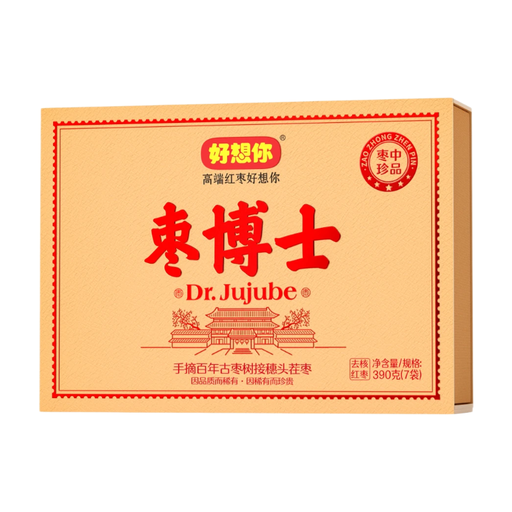 No image available
The product description says these jujubes are pitted and ready to eat as a snack.
The Joybuy product description states 0 g of fat per 100 g. Once opened, store in a cool, dry place and keep tightly sealed, as instructed in the product description.
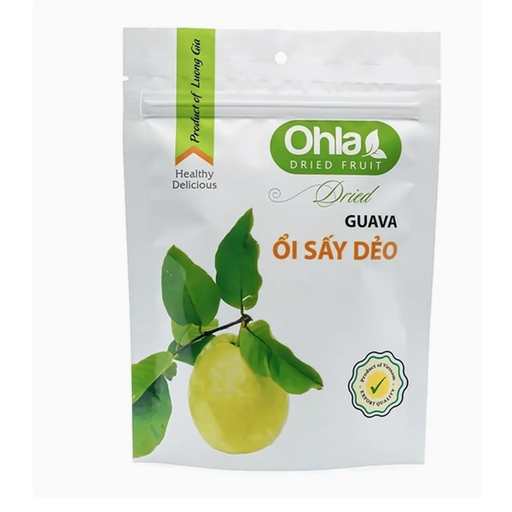 No image available
The product description recommends dried guava as a snack to take with you.
The Joybuy product description states 1.73 g of fat per 100 g and 95% guava.
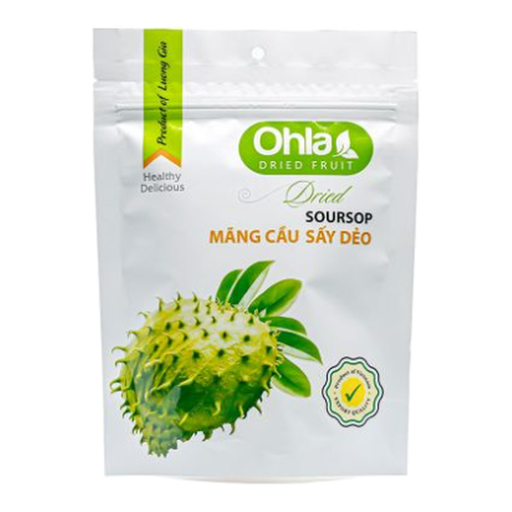 No image available
The product description recommends dried soursop as a snack to take with you.
The Joybuy product description states 2.21 g of fat and 10.5 g of dietary fibre per 100 g. It also lists sugar and sodium metabisulphite (E223); check the pack if you want to avoid these ingredients.
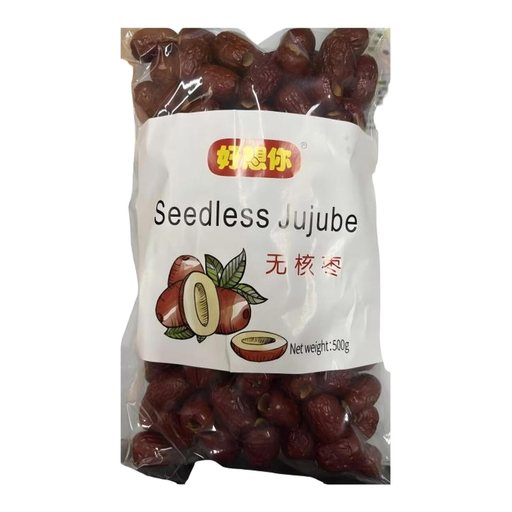 No image available
The product description says these pitted jujubes are ready to eat as a snack.
The Joybuy product description states 0.5 g of fat per 100 g and 100% red dates. Once opened, store in a cool, dry place and keep tightly sealed, as instructed in the product description.
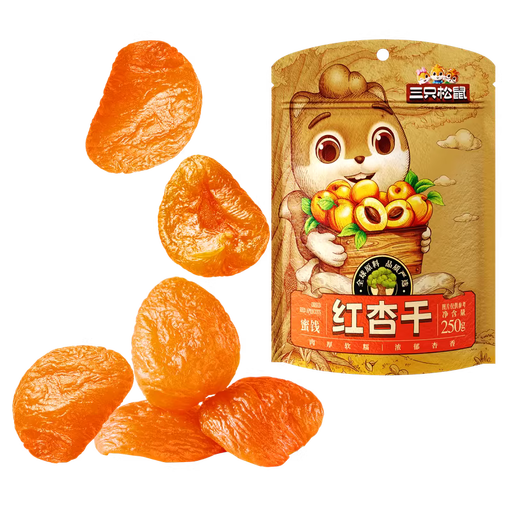 No image available
The product description says the dried apricots are ready to eat as a snack and come in a resealable pack.
The Joybuy product description states 0 g of fat per 100 g and lists sulphites (sodium metabisulphite). Check the pack if you want to avoid sulphites.
For solid foods, the European Commission sets a limit of 3 g of fat per 100 g. This criterion relates to fat and doesn’t tell you how much energy a portion contains.
Plan according to how long your walk will take. In its walking advice, PlusOnline distinguishes between a short stroll and walks lasting several hours, a whole day or several days. For longer walks, it’s worth planning in advance what food and drink to take with you.
For dry mixed dried fruit, the Netherlands Nutrition Centre advises storing it in a cool, dry, dark place in a tightly sealed container. For other varieties, including soaked products, follow the storage advice on the pack.
Check the allergen information for the exact product variant and look out for anything relevant to you. The Netherlands Food and Consumer Product Safety Authority lists sulphites, nuts, peanuts and sesame among the allergens to look out for.
For the product you’re going to eat, use the information on the pack and contact the seller if you have any questions. Albert Heijn and PLUS advise checking the pack because product information may change.