
Vandaag of morgen in huis

Kwaliteit gegarandeerd

Welkomstaanbiedingen ontgrendelen: GRATIS bezorging | Tot 80% korting | Gratis 30 dagen JoyPlus-proefperiode
Download de app
Dried fruit and vegetable snacks are handy for the office, on the train, during a walk or in a lunchbox. They're ready to eat and take up very little space. Yet an attractive packet doesn't always tell you everything about what's inside. If you only look at the picture or words like "natural", you could end up buying a product that's too sweet, too salty, goes soft quickly or isn't suitable for an allergy.
With this practical guide, you'll know exactly what to look for when shopping online.
With dried fruit, most of the water has been removed. This concentrates the flavour, meaning a small portion contains relatively high levels of natural or added sugars. So always check both the ingredients list and the nutrition table.
A product with raisins, for example, might be mostly fruit but still contain around 70 grams of sugar per 100 grams. With candied hawthorn or dried strawberries, sugar can play an even bigger role. Don't just look for words like "fruit snack" – check the actual composition.
Some products contain no colourings or preservatives, but are fried in oil or coated in salt. Other dried fruit products contain sugar, acidity regulators, flavourings or sulphites.
Pay particular attention to:
A short ingredients list isn't automatically a reason to choose a product, but it does make comparing easier.
Dried mango, soft prunes and raisins are meant to have a chewy or soft texture. Taro crisps, okra crisps and plantain crisps, on the other hand, are bought for their crunchy texture. Once opened, moisture from the air gets into the product, which can quickly make crisps go limp.
So check the net weight, the type of packaging and the storage instructions. A large bag is good value for sharing, but a smaller packet can be more practical if you're not going to eat the snack all at once.
Look at the ingredients in descending order: the ingredient that appears most is listed first. With Sundrop Mini Raisin Handouts, the composition is 99.5% raisins and sunflower oil, for example. That's much clearer than a mix with several sweeteners and flavourings.
With Jiajianchengchu Dried Mango, mango is listed first, but also sugar, salt, spices, acidity regulators, preservatives and sulphites. That's fine for a sweet-and-sour, soft snack, but less suitable if you're looking for a short ingredients list.
Always compare products on the same basis: per 100 grams. Look at:
A small packet might seem low in calories because it only contains 25, 30 or 50 grams. The table per 100 grams makes it easy to compare products with different packet sizes.
For snacks on the go, resealable bags and small portions are ideal. A 50-gram packet fits easily into a bag; a 135 or 160-gram packet makes more sense for sharing at home.
Also check:
Some crisps are best eaten within a few hours of opening or stored in an airtight container. That's worth knowing if you're after a crunchy snack.
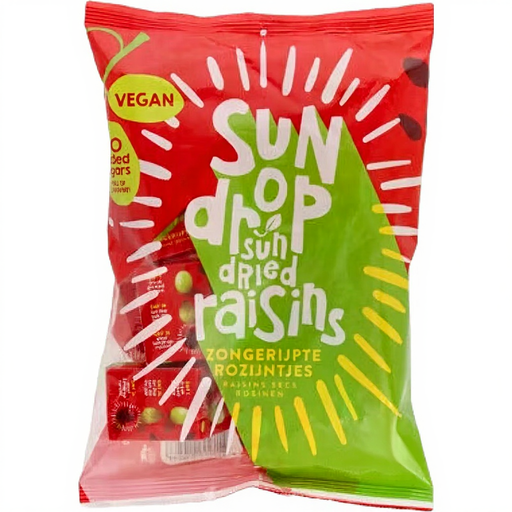
Why this fits the profile: The 252-gram packet is suitable for home, the office or multiple portions in a lunchbox. The composition is easy to check.
The ingredients list states 99.5% raisins and sunflower oil. None of the 14 major EU allergens are listed.
252 grams net weight; ready to eat; 4.2 grams of fibre per 100 grams according to the product information.
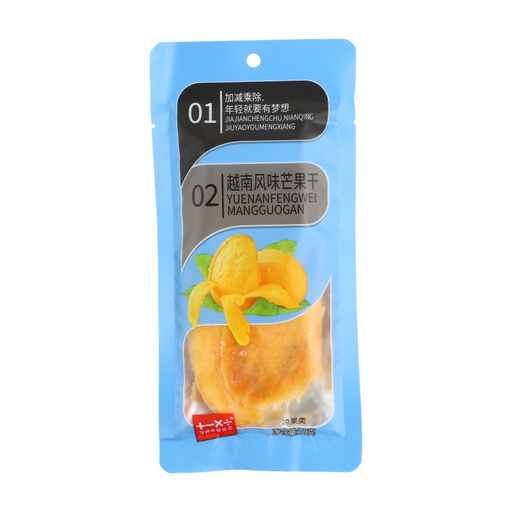
Why this fits the profile: The soft mango strips combine sweet, salty and sour flavours, and are ideal if you want more taste than plain raisins offer.
The product information explicitly lists mango, sugar, salt, acidity regulators, preservatives and sulphites. So you know exactly what you're buying.
70 grams; ready to eat; 0 grams of fat per 100 grams according to the product information; reseal the packet after opening.
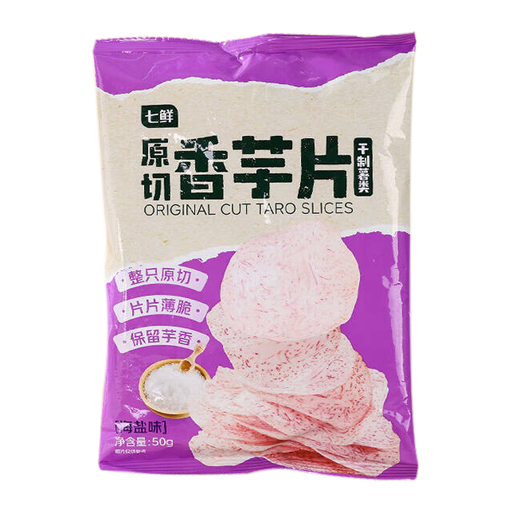
Why this fits the profile: This portion is aimed at fans of savoury Asian snacks with a distinct crunchy texture.
The product description lists taro, palm oil, sea salt and flavour enhancer E635. So it's clearly not an unprocessed vegetable snack.
50 grams; ready to eat straight from the packet; 2.2 grams of salt and 33.6 grams of fat per 100 grams according to the label.
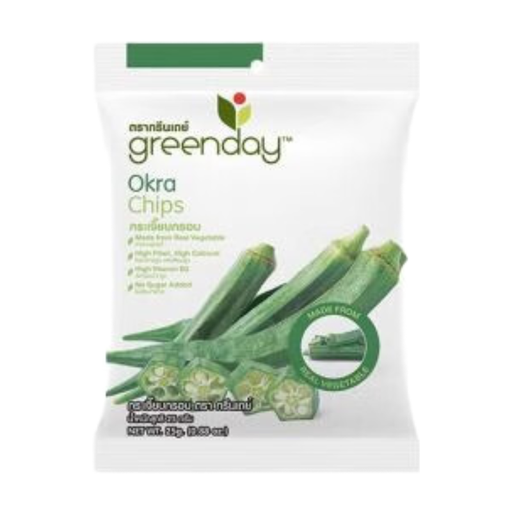
Why this fits the profile: The small packet is handy for trying a new flavour or taking with you without opening a large bag.
The ingredients list states 98% okra and 2% rice bran oil. The small amount reduces the chance of the crisps being left open for long.
25 grams; 98% okra according to the product information; none of the 14 major EU allergens listed.
We've put together a full, up-to-date list of products that fully meet these strict selection criteria and comply with current European safety regulations.
If you're after something sweet and soft, you could compare dried mango, dried prunes, raisins or candied hawthorn. Be&Cheery Various Dried Plum contains several plum flavours and has 3 grams of salt per 100 grams according to the product information. Bestore Candied Hawthorn combines hawthorn with crystal sugar and has a net weight of 100 grams.
For a crunchy mix, sweet potato snacks, taro crisps, okra crisps and plantain crisps are obvious categories. With those, pay extra attention to oil, salt and the recommended storage time after opening. Dried strawberry can be crisp and light; check whether only strawberry and sugar have been added, as with products of a similar composition.
Yes, as long as the packaging stays intact and the product is stored according to the instructions. Small packets of 25 to 70 grams are practical for a bag or lunchbox. Crisps usually stay crunchiest if you only open the packet just before eating.
It varies from product to product. Soft dried mango and fruit bars are best resealed and stored in a dry place after opening. With crunchy okra or taro crisps, the texture can change within a few hours. Always follow the instructions on the packet and don't use the product if the packaging is damaged.
Compare the nutritional values per 100 grams and read the ingredients list. For fruit, choose varieties with no or little added sugar, and for savoury snacks, check the salt content. "Fruit" or "vegetable" on the front doesn't tell you how much sugar, oil or salt the product contains.
