
Portion-conscious snackers
You want to enjoy dried fruit as a small snack and compare its energy content with the amount you actually eat. The Voedingscentrum recommends a maximum of 20 g a day as a practical portion guide.


Compare dried fruit by its energy per 100 g and the portion you actually eat; no added sugar doesn’t automatically mean low in calories. For a ‘low calorie’ claim, solid foods must contain no more than 40 kcal (170 kJ) per 100 g, according to the European Commission. The Voedingscentrum recommends a maximum of 20 g of dried fruit a day as a practical portion guide, not a legal limit on what you can buy.
You want to enjoy dried fruit as a small snack and compare its energy content with the amount you actually eat. The Voedingscentrum recommends a maximum of 20 g a day as a practical portion guide.
You want to know whether any additives and the way the fruit is processed fit with your choice, as well as the fruit itself. A vegan label or certification gives you different information from an ingredients list that simply looks plant-based; V-Label’s criteria also cover ingredients and processing.
You’re looking for a sweet fruit snack with no extra sugar, but you’re also comparing its overall nutritional value. Unsweetened doesn’t mean low in calories.
Product information from Jumbo and PLUS shows why calories, added sugar and vegan information should be assessed separately: Jumbo lists 237 kcal per 100 g for the apricots reviewed, while PLUS lists 282 kcal per 100 g for the prunes reviewed. PLUS also displays a vegan label and lists 0 g of added sugars; both energy figures are above the threshold for a ‘low calorie’ claim.
| What to consider | What should you check? | Who is this important for? |
|---|---|---|
| Energy per portion | Compare kcal per 100 g, then calculate the amount for the portion you’ll actually eat. | If you want to weigh your snack portion, compare the energy figures on the same basis. Around 39% of consumers prioritise calories per portion. |
| Vegan ingredients and processing | Check the ingredients and the exact vegan label; check allergens separately. | If you also want reassurance about additives and processing, an ingredients list may not provide the same information as a vegan label or certification. Around 23% of consumers prioritise this reassurance. |
| Added sugar | Read the ingredients list and compare total sugars and energy per 100 g. | If you want to avoid extra sugar but also take the energy content into account when choosing your portion, both figures are relevant. Around 23% of consumers prioritise avoiding added sugar. |
| Packaging and storage | Check the net weight, storage instructions and whether the product is sold without stones. | If you want a pack that suits how often you snack, the pack size and storage advice can help you choose an amount that works for you. An estimated 15% of consumers prioritise ease of use and pack size. |
Dried fruit can still contain energy even without added sugar. For a ‘low calorie’ claim, the European Commission sets a maximum of 40 kcal (170 kJ) per 100 g for solid foods.
Check the energy value alongside the ingredients and decide in advance how much you plan to eat.
A lower figure per portion may simply be because the stated portions aren’t the same weight.
Compare products per 100 g first, then calculate the figures for the same portion weight.
The ingredients alone don’t always tell you about all additives and processing aids.
Check the full ingredients list and the exact vegan label. If processing is a deciding factor for you, ask the manufacturer for more information.
The pack size doesn’t tell you how to store the product after opening; follow the instructions on the packaging.
Choose an amount that suits how often you use the product and seal the pack according to the storage advice.
Albert Heijn lists AH Biologisch Dried & Unsweetened Pineapple on its dried fruit category page.
Jumbo’s product information for Pitted Dried Apricots, 250 g, lists ingredients and nutritional values.
Lidl lists Alesto Dried Mango, 125 g, as an in-store product.
ALDI describes TRADER JOE'S Sun-dried Prunes as soft, pitted prunes.
PLUS displays a vegan label and information about added sugars for its Dried Prunes, 375 g.
Dirk’s product page lists 1 de Beste Pitted Prunes, 375 g.
These Joybuy products are dried fruit options to assess by pack for portion size, nutritional value and vegan information.
 No image available
An option to consider if you’re specifically looking for Medjool dates and want to weigh your own portion.
The product name specifies size M and a 908 g pack. Check the energy per 100 g, ingredients and vegan label on the packaging; the product name doesn’t confirm that the dates are processed in a vegan way.
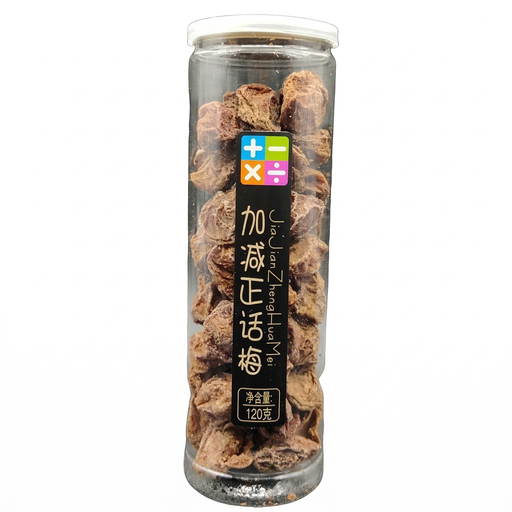 No image available
You can include this prune snack in your comparison if you’re looking for a smaller pack.
The product name specifies 120 g. Check the ingredients, energy per 100 g and any vegan label on the packaging; the product name alone doesn’t provide this information.
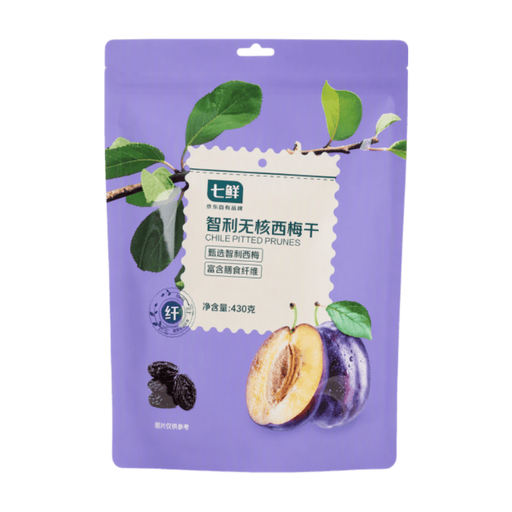 No image available
This option is worth considering if you’re specifically looking for pitted prunes.
The product name specifies pitted prunes and a 430 g pack. Check the current ingredients, nutritional values and vegan information on the packaging.
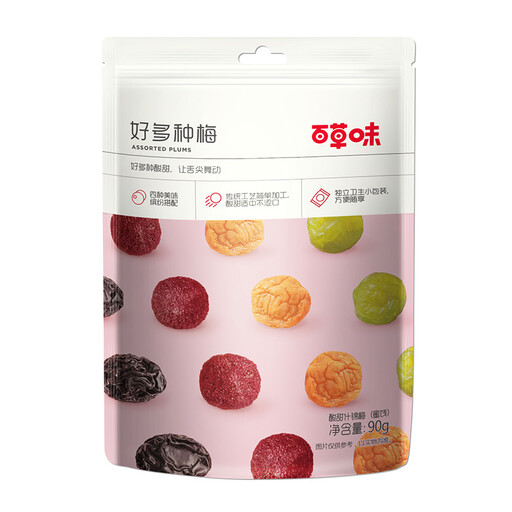 No image available
This pack is an option to compare if you’re looking for a small amount of dried plums.
The product name specifies 90 g. Check the ingredients and nutritional values, and make sure the vegan information suits your needs.
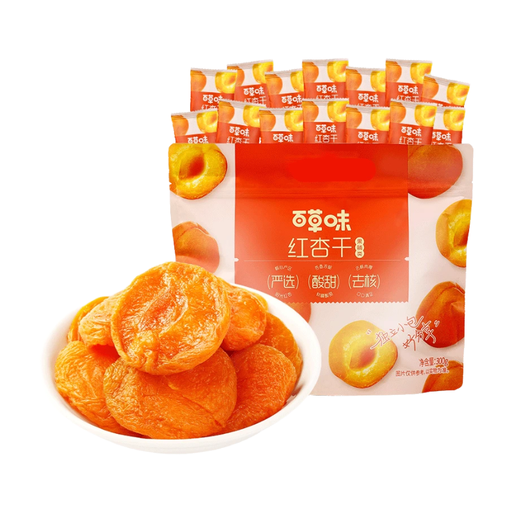 No image available
You can include these dried apricots in your comparison if this is the type of fruit you’re looking for.
The product name specifies red apricots and a 300 g pack. Check the ingredients, nutritional values and vegan label on the packaging before choosing.
No. A small portion isn’t a basis for making that product claim. For solid foods, the European Commission sets a maximum of 40 kcal (170 kJ) per 100 g for a ‘low calorie’ claim. This is a requirement for making the claim, not a legal maximum portion for consumers.
The Voedingscentrum recommends a maximum of 20 g of dried fruit a day. Weigh your portion if you want to calculate its energy content; the same number of pieces won’t weigh the same for every type or size of fruit.
No. Under V-Label’s criteria, vegetarian products may contain milk, eggs or honey, among other things; these are excluded from vegan products. Check which label is actually shown on your packaging.
Follow the storage advice on the packaging, as it can vary from product to product. For dried mixed fruit, the Voedingscentrum recommends storing it in a cool, dry, dark place in a tightly sealed container; for an opened pack, it gives a storage time of 6–9 months in a kitchen cupboard. This timeframe doesn’t automatically apply to all dried fruit products.
No. Check allergens separately from the vegan label. The NVWA requires relevant allergens to be clearly identifiable in the ingredients list. Jumbo’s product information for the apricots reviewed lists sulphites and the possible presence of nuts, peanuts and sesame; always check the packaging of the product you buy.