What should you look for when choosing?
Start with the substance you want to avoid. Then check for added sugars, your preferred portion size and the storage instructions for the pack.
| What to consider |
What should you check? |
Who is this important for? |
| Allergens and dietary claims |
Check the ingredients, the specific claim and all ‘may contain’ warnings on the pack. |
If gluten, milk proteins, peanuts or nuts affect what you can eat, check the exact variant. Around 31% of consumers prioritise checking allergens or suitability for their diet. |
| Sulphites |
Look for sulphites, sulphur dioxide and preservatives such as E220. |
If you avoid sulphites, you’ll want to know whether the product lists them. Around 25% of consumers make avoiding sulphites their first priority when choosing. |
| Added sugars |
Read the ingredients list and nutritional information; ‘no added sugar’ does not mean ‘sugar-free’. |
If your main aim is to avoid added sugars, check the total sugar content too. Around 19% of consumers give this consideration priority. |
| Portion size |
Check the stated portion size and set aside an amount in advance. |
If you’d rather not keep eating from the bag while watching, you can portion out your snack beforehand. Around 13% of consumers prioritise portion control. |
| Packaging and storage |
Check the net weight and follow the storage and resealing instructions after opening. |
If you plan to use the pack over several evenings, it’s useful to know how to store its contents. Around 12% of consumers focus mainly on practical use and packaging. |
Joybuy product picks
Joybuy product picks for enjoying dried fruit as a snack during a TV night.
 No image available
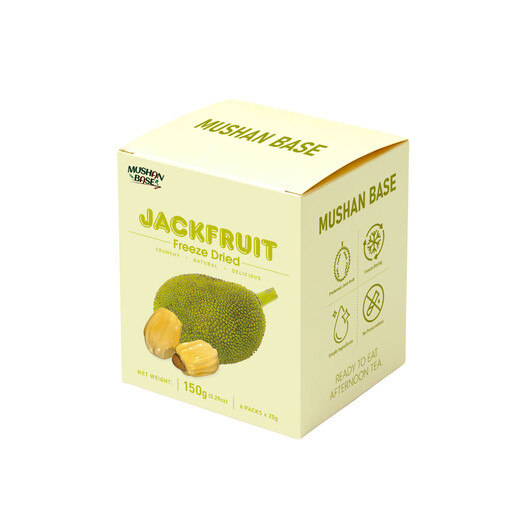
MUSHAN BASE freeze-dried jackfruit, 150 g (6 × 25 g)
The product information describes the jackfruit as a snack and lists jackfruit as the only ingredient.
The pack is described as containing six 25 g sachets. The information states that no sugar is added; if you need to avoid a particular substance, always check the current packaging.
View on Joybuy
 No image available
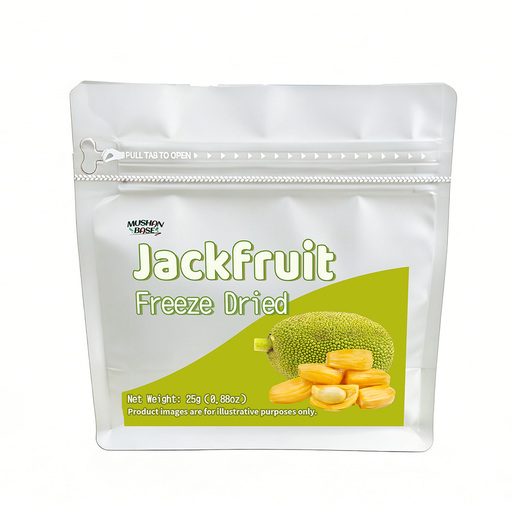
MUSHAN BASE freeze-dried jackfruit, 25 g
The product information describes the jackfruit as a snack and lists jackfruit as the only ingredient.
The pack contains 25 g and no added sugar is listed. If you need to avoid a particular substance, check the ingredients and allergen information on the packaging.
View on Joybuy
 No image available
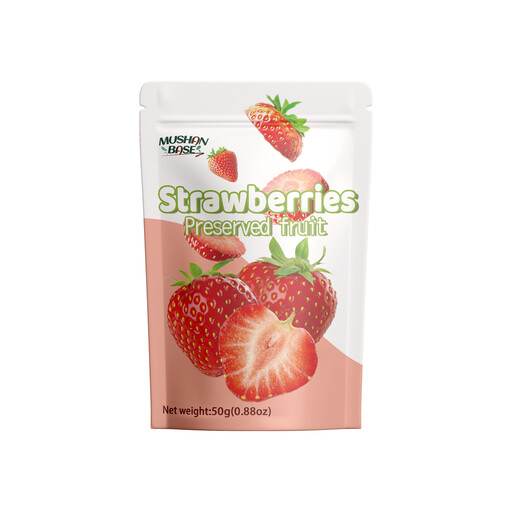
MUSHAN BASE dried strawberry slices, 50 g
The product information describes the strawberries as a ready-to-eat snack.
The pack contains 50 g and can be resealed after opening. The ingredients list includes dried strawberries and sugar, so this variant isn’t suitable if you’re avoiding added sugar.
View on Joybuy
 No image available
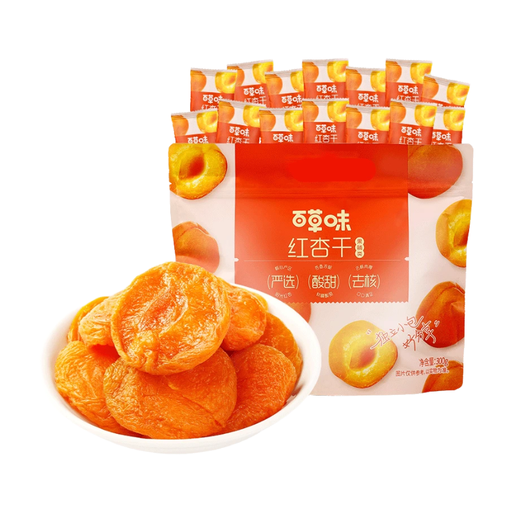
Three Squirrels dried red apricots, 250 g
The product information describes the apricots as a ready-to-eat snack.
The ingredients list includes sugar, maltose syrup and sodium metabisulphite. This variant isn’t suitable if you’re avoiding added sugars or sulphites; check the allergen information on the packaging too.
View on Joybuy
 No image available
Be&Cheery dried red apricots, 300 g
The product information describes the apricots as a ready-to-eat snack.
The ingredients list includes sugar, maltose syrup and sulphite (E223). This variant isn’t suitable if you’re avoiding added sugars or sulphites; check the allergen information on the packaging too.
View on Joybuy
Frequently asked questions
Does lactose-free mean suitable for someone with a milk allergy?
No. Lactose intolerance affects the digestion of milk sugar, while a cow’s milk allergy involves the immune system reacting to milk proteins. If you have a milk allergy, don’t rely on a lactose-free claim alone when assessing a snack, as the Netherlands Nutrition Centre also explains.
What does ‘may contain’ mean on packaging?
It’s a warning that an allergen may be present unintentionally. According to the NVWA, the Dutch policy for these warnings applies from 1 January 2026. Safe older stock produced under the applicable conditions may still be sold. Check the warning on the packaging of the variant you buy.
Does ‘no added sugar’ mean sugar-free?
No. ‘No added sugar’ doesn’t mean there are no sugars in the product. For a ‘sugar-free’ claim, the Netherlands Nutrition Centre states a maximum of 0.5 g of sugar per 100 g or per 100 ml; dried fruit can contain naturally occurring sugars.
How do I check dried fruit if I avoid sulphites?
Check the ingredients and look for sulphites, sulphur dioxide and preservatives such as E220 or E223. A short ingredients list with no mention of sulphites is not, by itself, a guarantee that the product contains none.
How should I store an opened bag for another TV night?
Follow the storage instructions on the packaging of the variant you’ve chosen. For the Blue thompson raisins from Albert Heijn reviewed here, the advice is to reseal the pack properly after use; the mango reviewed here is described as having a limited shelf life once opened.


