What should you look for?
Start by identifying exactly what you want to avoid, then check that the packaging and portion size suit your snacking occasion.
| What to consider |
What should you check? |
Who is this important for? |
| Specific allergens |
Read the ingredients list and check the relevant allergen and cross-contamination warnings on the exact product. Also check whether you need to avoid the fruit itself. |
If you need to avoid a particular allergen, you’ll want to know whether the product is suitable. Around 36% of consumers prioritise avoiding a specific allergen. |
| Sulphites |
Look for sulphites or sulphur dioxide, and preservatives in the E220–E228 range. Don’t treat a description such as ‘unsulphured’ as complete allergen information. |
If avoiding sulphites is your main priority, make sure you check specifically for them. Around 29% of consumers prioritise avoiding sulphites. |
| Portion size |
Check the net weight and decide how much to put in a bowl beforehand. The World Cancer Research Fund recommends eating no more than 20 grams of dried fruit a day. |
If you want to avoid mindlessly eating more while watching TV, setting out a portion in advance is a practical starting point. Around 21% of consumers prioritise mindful choices about sugar and portion size. |
| Packaging |
Check whether the exact product is resealable, how much it contains and what storage instructions are given on the packaging. |
If you want to spread the contents over several snacking occasions, it’s useful to know how to reseal and store the pack. Around 14% of consumers value convenient packaging most. |
The NVWA explains how allergen information must be shown on prepacked products. An ingredients list or cross-contamination warning won’t automatically answer every personal question you may have about a product. Always check the exact product against the specific substance you need to avoid.
Joybuy products for a TV snack
This selection includes freeze-dried jackfruit, dried guava, prunes and apricots as snack options. None of these product names guarantees that a product is suitable for your specific allergy or exclusion diet. Check the product information and packaging.
 No image available
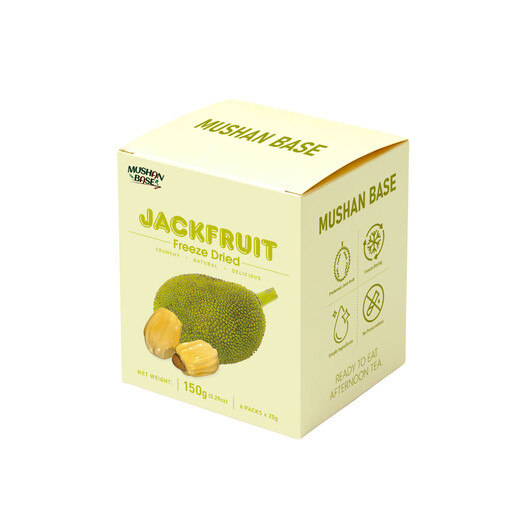
MUSHAN BASE Freeze-Dried Jackfruit, 150 g (25 g × 6)
The six individual sachets can be handy if you want to set out portions in advance.
The product description lists jackfruit (100%) and states ‘None’ for allergens. Check the packaging for your specific dietary requirements.
View at Joybuy
 No image available
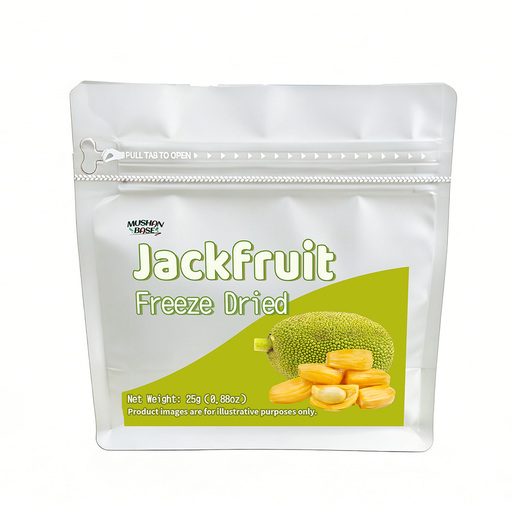
MUSHAN BASE Freeze-Dried Jackfruit, 25 g
The 25 g pack is an option if you want to set out a small portion.
The product description lists jackfruit (100%) as the ingredient and states ‘None’ for allergens. Check the packaging for your specific dietary requirements.
View at Joybuy
 No image available
OHLA Dried Guava, 180 g
This pack is a snack option if you’re looking for dried guava.
The product description lists guava (95%), sugar and a preservative. The allergen information covers the 14 main EU allergens; also check all the information on the packaging.
View at Joybuy
 No image available
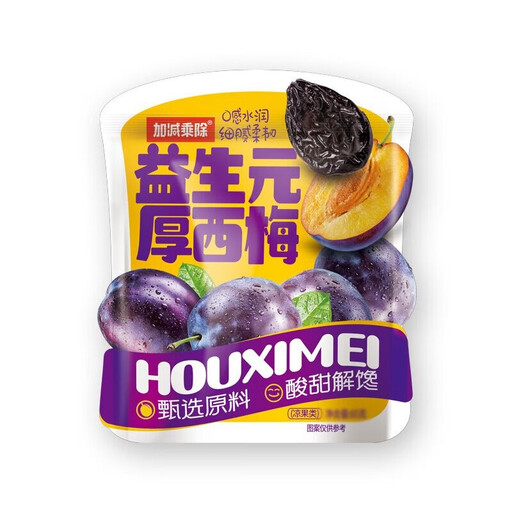
Jia Jian Cheng Chu Prebiotic Thickened Prunes, 65 g
The individual 65 g pack is designed as a ready-to-eat snack.
The product description lists prunes, fructose syrup and oligofructose. The allergen declaration states ‘None’; check the packaging for your specific dietary requirements.
View at Joybuy
 No image available
Three Squirrels Red Apricot Dried, 250 g
The product description presents these apricots as a ready-to-eat snack.
The ingredients list sodium metabisulphite and explicitly mentions sulphites. This product isn’t suitable if you need to avoid sulphites.
View at Joybuy
Frequently asked questions
Is dried fruit without nuts automatically suitable for every allergy?
No. Check which substance you need to avoid and assess the exact ingredients and warnings. The fruit itself can also cause an allergic reaction. The Dutch Food Allergy Foundation points out that information about designated allergens doesn’t cover every possible food allergy.
How can I spot sulphites on the label?
Check the ingredients information for sulphites or sulphur dioxide, and for preservatives in the E220–E228 range. The Dutch Food Allergy Foundation describes sulphites as a preservative that can be used in fruit, among other foods. A description such as ‘unsulphured’ doesn’t replace checking the rest of the product information.
Where can I find allergen information on Dutch packaging?
For prepacked products, allergen information appears on the label. The NVWA explains that allergens must be clearly identifiable in the ingredients list. Check the packaging for the exact product.
Are the Dutch rules on cross-contamination warnings already in force?
Yes. According to the NVWA and the Regulatory Consultation on the Commodities Act, the Dutch allergen labelling policy has been in force since 1 January 2026. The NVWA said it would start checking cross-contamination warnings on prepacked products during inspections from that date. The conditions set out in the official guidance apply to stock packaged before then.
How much dried fruit can I set out for a TV night?
The World Cancer Research Fund recommends eating no more than 20 grams of dried fruit a day. You can use this general nutritional advice as a guide when measuring out a portion in advance; it isn’t a personalised dietary prescription.


