Dried fruit can make a handy little snack for the train, but it should not automatically be your main source of protein. According to the Netherlands Nutrition Centre, 20 g of generic dried apricots provides around 0.9 g of protein, calculated from 0.4 g per piece weighing 9 g. If you want a post-workout snack that provides a more substantial amount of protein, consider adding a separate protein source. And if you’re taking quark with you, plan to keep it chilled.
Who is this relevant to?
People travelling home after exercise
You want something to eat on the way home after exercising, and to know how much protein your snack actually provides. General nutritional values for dried apricots show why it’s important to consider the whole snack. The Netherlands Nutrition Centre also lists various sources of protein, including dairy products, nuts and dairy alternatives made from soya or peas.
Travellers looking for an easy snack
You want a small portion of fruit that’s easy to take with you. In that case, packaging and clearing up may matter more than a protein claim. Jumbo describes small boxes of raisins as handy for on the go, while NS asks passengers to put their rubbish in the bin.
Snackers who check the label
You want to pay attention to portion size, added sugar and ingredients. If you have a known sulphite intolerance, check the information on the exact pack. The Food Allergy Foundation lists sulphites as a preservative that may be found in dried fruit.
What should you look for when choosing?
Dried fruit as a standalone train snack
A good choice when: you mainly want a small portion of fruit and get your protein at other meals.
Trade-off: dried fruit does not automatically provide a significant amount of protein. Jumbo describes small boxes of raisins as handy for on the go.
Dried fruit with a source of protein
A good choice when: you want to put together a snack that includes a separate source of protein while travelling.
Trade-off: taking an extra product requires more planning. If you’re bringing quark, you’ll need to keep it chilled.
When choosing dried fruit for an NS train journey after exercise, focus on how much protein your portion provides, how easy it is to eat on the go, portion control and the ingredients.
| What to consider |
What should you check? |
Who is this important for? |
| Protein per portion |
Check the protein per 100 g and calculate how much protein your own portion provides. If you’re combining fruit with another product, check both labels. |
If you mainly want to know how much protein your post-workout snack provides, look at the portion you’ll actually eat. Around 36% of consumers put protein content first. |
| Convenience on the go |
Check the portion size and whether the packaging can be resealed. A stand-up pouch is not necessarily resealable. |
For people who want an easy-to-carry, easy-to-eat snack, convenient packaging matters most; around 29% give it top priority. |
| Portion size and eating habits |
Check how many grams you actually eat and whether sugar or syrup has been added. The Netherlands Nutrition Centre recommends a maximum of 20 g of dried fruit a day. This is dietary advice, not a legal limit or a personalised sports nutrition plan. |
Consumers who prefer to measure out a portion rather than treat the whole bag as a snack focus on quantity; around 21% put portion control first. |
| Ingredients and tolerance |
Read the ingredients and allergen information on the exact pack. If you have a known sulphite intolerance, check specifically for sulphites. |
If ingredients or personal tolerance affect your choice, check the label on each product; around 14% of consumers give this concern priority. |
Common buying mistakes
-
Treating dried fruit as your main source of protein
Based on the Netherlands Nutrition Centre’s figures, a 20 g portion of generic dried apricots provides around 0.9 g of protein. A sporty-sounding product name does not change its nutritional value.
Calculate the protein in the portion you’ll actually eat and consider your whole snack.
-
Assuming a fruit and nut mix is the same as pure dried fruit
Albert Heijn lists both types of product, but a mix has a different composition. The Netherlands Nutrition Centre lists nuts as a source of protein, but that doesn’t make a mix the same as dried fruit.
Check what type of product it is and read the mix’s label, including the allergen information.
-
Eating a whole stand-up pouch as one travel portion
PLUS lists dried apricots in a 375 g stand-up pouch. The pack size is not a recommended portion. The Netherlands Nutrition Centre recommends a maximum of 20 g of dried fruit a day.
Measure out how much you want to take with you at home, and don’t treat the whole pack as one portion.
-
Taking quark with you without planning how to keep it chilled
Quark needs to be kept chilled. The Netherlands Nutrition Centre advises not leaving highly perishable food out of the fridge for more than 2 hours, and throwing it away after that.
Follow the product’s storage instructions and plan suitable chilled transport.
A cool bag and a suitable container may take up extra space in your luggage.
Shops with relevant dried fruit options
Albert Heijn
The range includes dried fruit and fruit and nut mixes.
- You can compare different types of snack side by side.
- A fruit and nut mix is not pure dried fruit, and its inclusion in the category does not prove its protein content. According to the retailer, some products are only available in store.
Jumbo
Relevant options include small boxes of raisins for on the go and dried apricots, including a 250 g organic option.
- Jumbo describes its small boxes of raisins as handy for on the go, and says its organic apricots contain no preservatives.
- These product listings do not prove that the products are high in protein or free from all possible allergens.
PLUS
PLUS lists dried apricots in a 375 g stand-up pouch.
- The pack size could be handy if you want to measure out portions at home.
- A stand-up pouch is not necessarily resealable. PLUS recommends checking the pack, as product information may change.
Aldi
ALDI lists Trader Joe's Sun-Dried Apricots, 250 g.
- The retailer describes this particular product as soft.
- That is the retailer’s description, not an independent taste test or proof of a high protein content.
Lidl
Lidl has a product page for dried fruit.
- The product listing gives you a starting point for exploring dried fruit.
- The page says it is available in selected stores; this does not guarantee nationwide availability.
Dirk
Dirk has a product listing for dried figs.
- The listing confirms that dried figs are part of the range shown.
- Dirk’s claim that it offers good value is not a substantiated comparison with other shops and says nothing about the protein content.
Joybuy products for a fruit snack on the go
These products are described as dried fruit snacks for on the go. If protein content matters to you, check the nutritional information and portion size on the pack.
 Image unavailable
OHLA Dried Guava 180g
The product description presents this dried guava as a snack for on the go.
Pack size: 180 g. Contains sugar and a preservative.
Check the pack to see what quantity the stated protein value applies to.
View at Joybuy
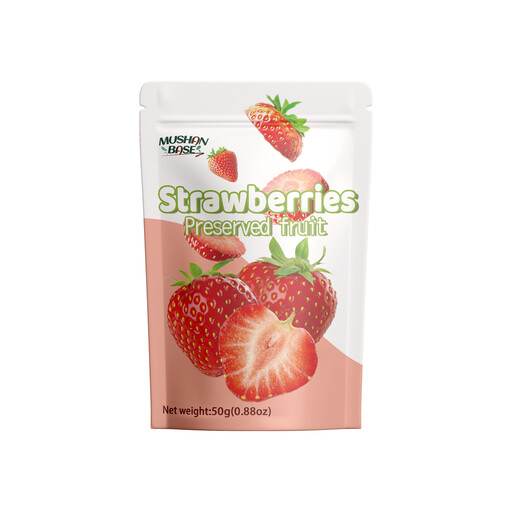 Image unavailable
MUSHAN BASE Dried Strawberry Slices 50g
The product description says this snack is ready to eat on the go and comes in resealable packaging.
The nutrition table lists 1.2 g of protein per 100 g; the pack contains dried strawberries and sugar.
View at Joybuy
Frequently asked questions
Can I take quark with dried fruit on a long train journey?
Only if you keep the quark properly chilled. The Netherlands Nutrition Centre recommends storing quark at 4 °C and putting it back in the fridge promptly after use. For highly perishable food, the advice is not to leave it out of the fridge for more than 2 hours, and to throw it away after that.
How should I store the rest of a bag of dried fruit?
Follow the storage instructions and use-by date on your product’s packaging. The Netherlands Nutrition Centre says opened dried mixed fruit can be kept in a kitchen cupboard for 6–9 months. This advice does not automatically apply to soaked fruit or a combination with quark.
What should I check if I have a known sulphite intolerance?
Check the ingredients on the exact pack. Sulphites may be added to dried fruit as a preservative. A general statement about a supermarket or the colour of the fruit is not enough to determine whether it is suitable for you.
What should I do with the packaging from my snack on an NS train?
Put your rubbish in the bin. That’s the rule NS asks passengers to follow.
How can I avoid making the wrong choice if product information changes?
Read the packaging before use, especially if ingredients, nutritional values or allergens matter to you. PLUS says that product information may change and directs customers with questions to its customer service team.


