
If you’re mainly watching your fat intake
You want to eat dried fruit while studying and compare its fat content. Check the nutrition information for the exact variant, rather than relying on the type of fruit or a general impression.


If you want a low-fat snack while studying, compare the nutrition information per 100 g for the exact variant: the raisins and soft dried apricots reviewed list 0.5–0.8 g of fat. Also check the sugars and your portion size; AH Soft Dried Apricots should be refrigerated after opening. A low fat content does not prove that the fat content has been reduced compared with another product.
You want to eat dried fruit while studying and compare its fat content. Check the nutrition information for the exact variant, rather than relying on the type of fruit or a general impression.
You want a small, sweet snack and don’t want to keep eating from a large bag without realising. In that case, total sugars, energy and a pre-weighed portion may matter more than fat content alone.
You study in different places and are looking for packaging that suits how you’ll transport and store it. Bear in mind that storage instructions after opening can vary by product.
Start by checking the nutrition information for the exact variant, then consider how you want to portion, transport and store your snack.
A good fit if low fat and no need for refrigeration when you’re out and about are important to you; the AH, Jumbo and PLUS raisins reviewed list 0.5–0.8 g of fat per 100 g.
Bear in mind sugar levels vary by variant; the Albert Heijn, Jumbo and PLUS product pages list 59–75.5 g per 100 g for the raisins reviewed. Weigh your portion in advance.
A good fit if you want apricots and have access to a fridge after opening. Albert Heijn lists 0.6 g of fat per 100 g for the variant reviewed.
Bear in mind Albert Heijn says to refrigerate the product after opening, at a maximum of 7 °C; don’t assume the same advice applies to other apricots.
A good fit if you specifically want banana chips and low fat isn’t your main priority. The AH Banana Chips reviewed contain banana, coconut oil and sugar.
Bear in mind Albert Heijn lists 30 g of fat per 100 g for this variant, including 25 g of saturated fat. This information doesn’t automatically apply to other banana chips.
| What to consider | What to look for | Who should pay particular attention? |
|---|---|---|
| Fat content | Compare the fat per 100 g shown on the packaging of the exact variant. The European Commission sets a maximum of 3 g per 100 g for a ‘low fat’ claim on solid foods; this doesn’t prove a reduction in fat compared with another product. | If low fat is my main priority, I compare the per-100 g value for the variant I’m buying. Around 33% of consumers prioritise a low stated fat content. |
| Sugars and portion size | Read the figures for total sugars, added sugars and energy together. Weigh your own portion rather than treating per-100 g figures as portion values. | If I want to know how much sugar and energy are in my study-break snack, I check both the figures and the amount I actually weigh out. Around 27% of consumers pay most attention to portion size and nutrition information. |
| Taking it with you and storage | Check the storage advice after opening. For the soft dried apricots reviewed, Albert Heijn recommends refrigeration at a maximum of 7 °C; for the raisins reviewed, Albert Heijn, Jumbo and PLUS recommend storing them in a cool, dry and dark place. | If I take my snack with me, I want the storage instructions to suit the places where I can keep it. Around 20% of consumers prioritise transport and storage. |
| Ingredients and allergens | Check the ingredients, allergen information and any cross-contamination warnings on the exact packaging. The NVWA says that allergen information must appear on the label of prepacked products. | If I need to take a personal ingredient or allergen restriction into account, I check each pack individually. Around 13% of consumers make this their most important buying criterion. |
| Pack size | Compare the net weight with the amount you expect to use and the storage advice. A larger pack isn’t automatically more practical for small study-break snacks. | If I want to choose an amount that suits how I’ll use it, I check the pack size and whether I can store the product appropriately. Around 7% of consumers prioritise pack size. |
Albert Heijn’s product page lists 0.5 g of fat in AH Organic Raisins, but also 59 g of sugars and 344 kcal per 100 g.
Check fat, sugars and energy together, and use the portion you actually weigh out to work out what you’ll consume.
The AH Banana Chips reviewed contain coconut oil and sugar; Albert Heijn lists 30 g of fat per 100 g for this variant.
Check the ingredients and nutrition information on the exact pack instead of treating all fruit chips as one type of product.
Albert Heijn says to refrigerate AH Soft Dried Apricots after opening, at a maximum of 7 °C.
Choose with your storage options in mind, and follow the instructions on the packaging.
For the Sultana raisins reviewed, PLUS lists 0 g of added sugars and 68.2 g of total sugars per 100 g.
Read the statement about added sugars alongside the full nutrition information.
The product ranges reviewed include AH Organic Raisins, AH Soft Dried Apricots and AH Banana Chips.
The range reviewed includes Sun-dried Sultana Raisins, including the 500 g pack.
The Dutch Lidl website describes Alesto as a range of nuts and dried fruit, including apricots.
The Dutch ALDI website lists Trader Joe’s Raisins in a 500 g pack.
PLUS Sultana raisins are listed in a 375 g stand-up pouch.
The Dutch range page lists products including 1 de Beste Sultana Raisins, pitted prunes and apricots.
This selection includes dried fruit and related fruit products sold as snacks. Compare the nutrition information, ingredients and packaging details for each variant.
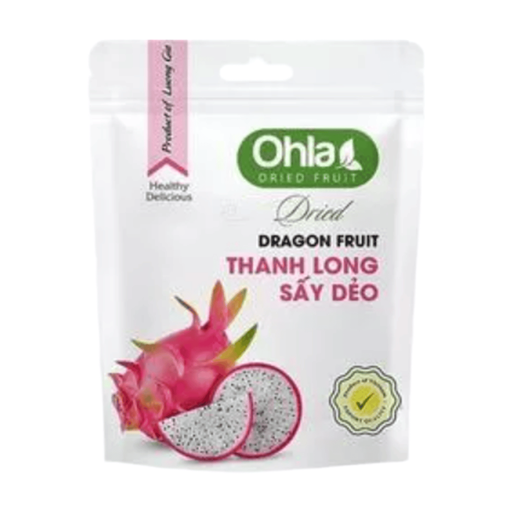 No image available
The product description presents this as a ready-to-eat snack.
Pack size: 180 g. Storage advice: store in a cool, dry place.
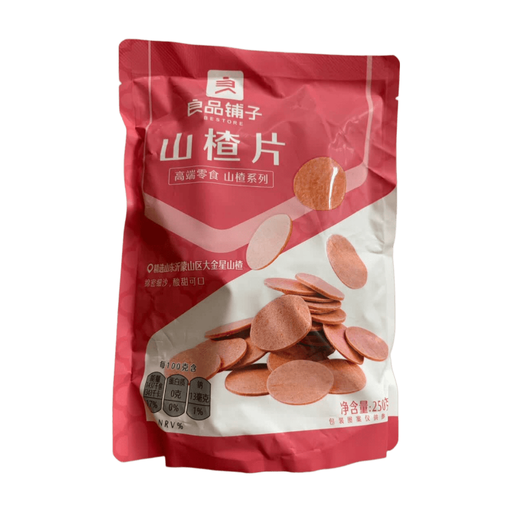 No image available
The product description mentions small sachets for individual snack breaks.
The nutrition information lists 0.3 g of fat per 100 g. The product information includes a warning about the colour E120 (carmine) in relation to activity and attention in children; check the current packaging.
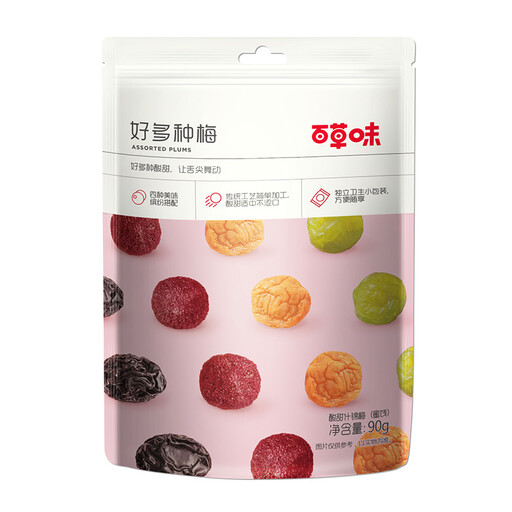 No image available
The product description presents these dried plums as a ready-to-eat snack.
Pack size: 90 g. The nutrition information lists 0.2 g of fat and 3.0 g of salt per 100 g. Reseal after opening.
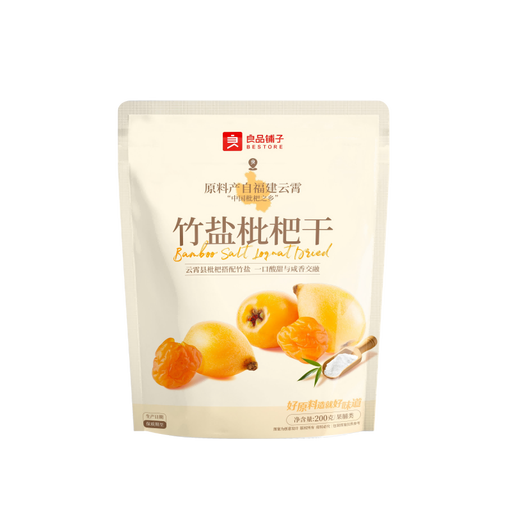 No image available
The product description presents this as a ready-to-eat snack.
Pack size: 200 g. The nutrition information lists 0 g of fat and 66.2 g of sugars per 100 g. The ingredients list includes sulphites; store in a cool, dry place.
 No image available
The product description presents this as a ready-to-eat snack that needs no preparation.
Pack size: 250 g. The nutrition information lists 0 g of fat and 62.0 g of sugars per 100 g. The ingredients list includes sugar, maltose syrup and sulphites; store in a cool, dry place.
Multiply the value per 100 g by the weight of your portion, then divide by 100. A weighed 20 g portion of AH Organic Raisins works out to 0.1 g of fat, 11.8 g of sugars and 68.8 kcal, based on Albert Heijn’s product information. These are calculations based on label values, not laboratory measurements of your portion.
No, follow the storage advice for the exact variant. Albert Heijn says to refrigerate AH Soft Dried Apricots after opening, at a maximum of 7 °C; the raisins reviewed from Albert Heijn, Jumbo and PLUS should be stored in a cool, dry and dark place.
For a ‘low fat’ claim on solid foods, the European Commission sets a maximum of 3 g of fat per 100 g. This limit says nothing about sugar content and doesn’t prove that fat content has been reduced compared with another product; assess a reduced-fat claim against the applicable conditions for the specific comparison.
Check the allergen information and any warnings on the packaging of the exact variant. According to the NVWA, allergen information must appear on the label of prepacked products; AH Soft Dried Apricots list sulphites. Also check for possible cross-contamination warnings if they’re relevant to you.
No, a statement about fat doesn’t substantiate a claim that a product improves learning or concentration. The European Food Safety Authority treats claims about improved learning ability as health claims; according to official EU information, health claims may only be used when they are authorised and meet the relevant conditions.