
Studying and exercising
You’re looking for something to eat while studying and want to keep your protein intake around your workouts in mind too. Compare the protein per portion, and consider the fruit and additional protein source separately.


Use dried fruit as your fruit component. If protein is your main priority, pair it with a suitable source of protein. Based on the labels of products from Albert Heijn, Jumbo and PLUS, a 20 g portion of four specific fruit products provides around 0.60 to 0.80 g of protein. Also consider portion size, ingredients and the storage instructions for the exact variant.
You’re looking for something to eat while studying and want to keep your protein intake around your workouts in mind too. Compare the protein per portion, and consider the fruit and additional protein source separately.
You want something that needs little preparation and a portion you can measure out in advance. Check the packaging and storage instructions, as these can vary by product.
You want to choose a fruit product or combination that suits an allergy or sensitivity. Check the packaging for information about sulphites and other ingredients.
| What to consider | What should you look for? | Who is this particularly relevant for? |
|---|---|---|
| Protein per portion | Base your calculations on the amount you actually eat. For four specific products from Albert Heijn, Jumbo and PLUS, 20 g provides 0.60–0.80 g of protein according to the label values. | If I want my snack to contribute to my protein intake too, I look at the whole combination, not just the fruit. Around 34% of consumers put protein at the top of their purchasing priorities. |
| Sugars and portion size | Compare total sugars with added sugars, and decide on your portion separately from the size of the bag. The Voedingscentrum recommends no more than a handful of dried fruit with no added sugar. | If I want to know how much I’m eating during a break, I prefer to weigh my portion rather than use the pack as a guide. Around 20% of consumers give portion size and sugar their highest priority. |
| Taking it with you and storage | Read the instructions for the exact variant. AH Rozijnen should be stored in a cool, dark and dry place; AH Gewelde gedroogde abrikozen must be refrigerated after opening at a maximum of 7°C. | For my study spot, I look for a snack that suits the preparation and storage options I have. Around 20% of consumers put portability and storage at the top of their list. |
| Allergens in fruit and combinations | Check the ingredients and allergen information for both the fruit and anything you eat with it. Jumbo and PLUS list sulphites for the apricot products mentioned; the NVWA states that allergen information must appear on the label of prepacked products. | If I need to take an allergy or sensitivity into account, I check each variant and combination separately. Around 13% of consumers put allergens at the top of their purchasing priorities. |
| Pack size | Check the net weight and consider whether it suits how much you use and how you store the pack. A larger pack does not, in itself, tell you whether it suits your needs. | For regular study breaks, I want to choose a pack that suits how I use it, rather than looking at the quantity alone. Around 13% of consumers give the packaging and how they plan to use it the greatest consideration. |
The four dried fruit products mentioned provide around 0.60–0.80 g of protein per 20 g. A larger portion of fruit also changes how much fruit and sugar you eat.
Consider your fruit portion separately and, if you feel you need it, choose a suitable additional source of protein.
The label for AH Rozijnen lists 0 g of added sugar and 59 g of total sugars per 100 g. These terms do not mean the same thing.
Check both the ingredients list and the nutritional information for sugars, and decide in advance how much you want to eat.
AH Gewelde gedroogde abrikozen must be refrigerated after opening at a maximum of 7°C. This is different from the storage advice for regular AH Rozijnen.
Follow the instructions on the packaging of the variant you buy.
A product range can include different variants with different ingredients. This can also affect the nutritional information and allergens.
Check the exact product variant and ingredients list, not just the name of a product range.
AH Rozijnen and AH Gewelde gedroogde abrikozen are specific examples of fruit for a study break.
Jumbo Gedroogde Abrikozen Zonder Pit 250 g is an example with nutritional values per 100 g and per 20 g.
Lidl describes Alesto as a product range that includes almonds and apricots.
ALDI lists raisins and a product range containing cranberries and raisins under the name Trader Joe’s used on the product page.
PLUS Gedroogde abrikozen Per Stazak 375 g is an example of a larger pack.
Dirk lists pitted apricots in a 200 g pack in its dried fruit and nuts range.
These product picks are suited to dried fruit as a study-break snack, on its own or combined with nuts.
 No image available
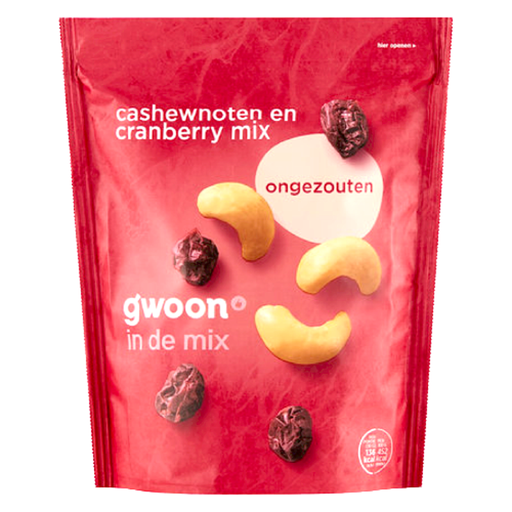
A good choice if you want to combine dried cranberries with nuts.
The mix contains 50% cashew nuts and 50% sweetened cranberries; the label lists 10.9 g of protein per 100 g. Contains cashew nuts and may contain traces of peanuts and other nuts.
 No image available
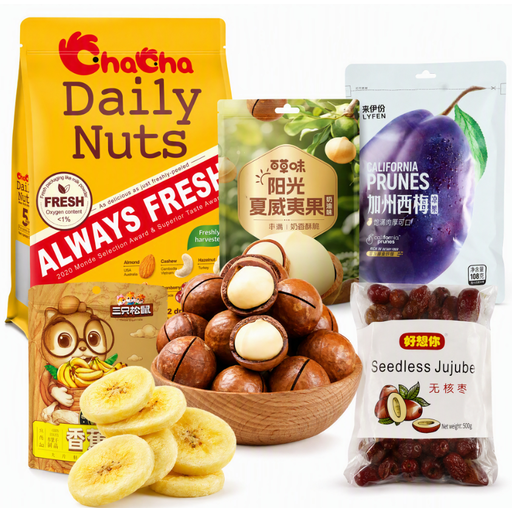
A good choice if you’re looking for a bundle with several fruit and nut snacks.
The bundle includes banana chips, dates and Californian plums, as well as nuts. The product information lists sugar in some of the ingredients, including the banana chips, cranberries and plums. Refrigerate after opening and consume within one day; contains various tree nuts. The plums contain aspartame, a source of phenylalanine. Check the allergen information for each product in the bundle.
 No image available
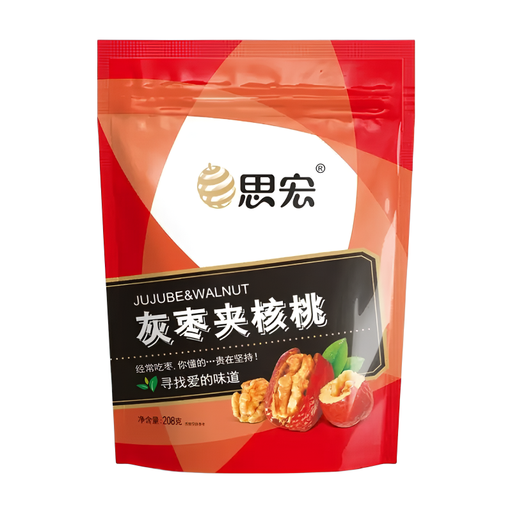
A good choice if you want to pair dates with nuts for a snack.
The ingredients are dates and walnuts. The label lists 3.4 g of protein per 100 g and no added sugar. Store in a cool, dry place; contains walnuts.
 No image available
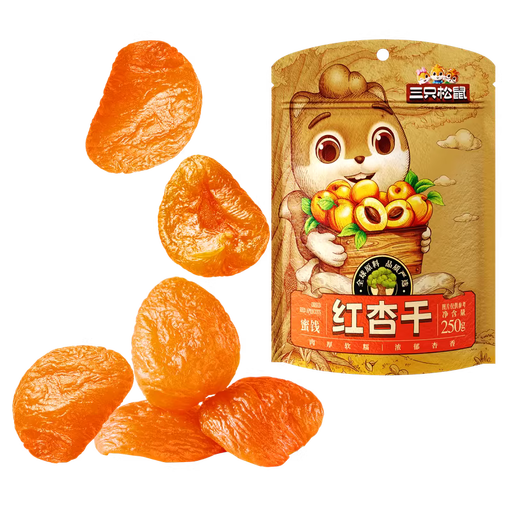
A good choice if you’re looking for a ready-to-eat fruit snack for a study break.
The label lists 1.1 g of protein per 100 g. The ingredients include sugar and maltose syrup as well as apricot; the product contains sulphites. Consume immediately after opening.
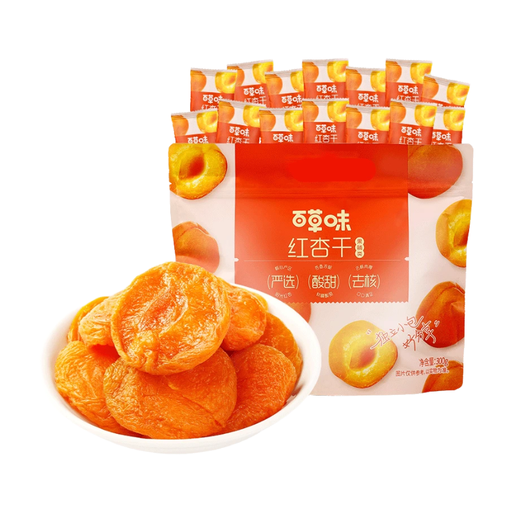 No image available
A good choice if you want to take dried apricots with you as your fruit component.
The label lists 0.9 g of protein per 100 g. The ingredients include sugar and maltose syrup as well as apricot; the product contains sulphites.
Not automatically: base your choice on your overall diet and the amount of exercise you actually do. The Voedingscentrum says recreational athletes don’t need special protein shakes or bars; your needs may differ if you exercise more intensively.
Don’t make that claim just because a product contains some protein. The NVWA states that voluntary food information must not be misleading; check the relevant conditions before making a nutrition claim.
No, follow the storage advice for the exact variant. AH Gewelde gedroogde abrikozen must be refrigerated after opening at a maximum of 7°C; AH Rozijnen should be stored in a cool, dark and dry place.
Check the allergen information for the prepacked product and any additions. The NVWA says that allergen information must appear on the label; depending on the product and combination, sulphites, nuts, milk or soya may be relevant, for example.
No, ‘no added sugar’ does not mean that there are no total sugars. Compare the ingredients with the nutritional information for sugars, and take into account the portion you eat.