Choose dried fruit as the fruit component and assess the protein in your meal as a whole separately: according to the Netherlands Nutrition Centre, a 9 g dried apricot contains an average of 0.4 g of protein. If protein is a priority in your post-exercise meal, pair the fruit with a separate protein source, such as tofu, beans or dairy, and compare fruit by cost per portion, ingredients and convenience.
Who is this relevant to?
Active meal planners
You want to include dried fruit in your evening meal, but wonder whether the meal as a whole provides enough protein. So assess the fruit portion and a separate protein source individually. The Netherlands Nutrition Centre lists an average of 0.4 g of protein per 9 g dried apricot; this is category information, not the nutritional value of a specific supermarket product.
Students keeping an eye on cost per portion
You’re looking for an affordable fruit component and want to compare pack sizes and prices per kilogram, not just the price on the pack. Product pages from retailers including ALDI and PLUS provide this information for their own products.
Convenience-conscious stock-up shoppers
You want to use a pack more than once, so you’re looking for resealable packaging and guidance on how to store it after opening. ALDI lists a resealable pack for one fruit mix, while the Netherlands Nutrition Centre advises storing dried mixed fruit in a cool, dry, dark place in a tightly sealed container.
What should you look for when buying?
Start by deciding what role the fruit will play in your dinner. Then compare the cost of your chosen portion and check the ingredients and packaging.
| What to consider |
What should you check? |
Who is this most relevant to? |
| Protein in your meal |
Check the protein per 100 g on the label and calculate how much is in the portion you eat. Assess the other components of your meal separately. |
If I exercise and want to assess the protein in my dinner, I want to know what the fruit actually contributes and which other protein source would go well with it. Consumers who prioritise protein make up around 36% of the group with these purchasing needs. |
| Cost per portion |
Compare the price per kilogram and calculate the cost of each option using the same portion size. |
If my food budget is tight, I want to know how much the fruit portion costs rather than looking only at the price of the pack. Around 29% of consumers give the cost of a practical portion top priority. |
| Ingredients and allergens |
Check the ingredients list, any added sugar and the allergen information for the exact product. |
If I need to check ingredients carefully because of my preferences or a relevant sensitivity, I want to know exactly what’s in that pack. Ingredients are the most important purchasing criterion for around 21% of consumers. |
| Storage and convenience |
Check whether the pack is resealable and follow the storage instructions on the label. |
If I want to use a pack across several meals, I look for packaging that can be resealed and guidance on storage after opening. Practical storage is the top priority for around 14% of consumers. |
Common buying mistakes
-
Relying on dried fruit as your main protein source
According to the Netherlands Nutrition Centre, a 9 g dried apricot contains an average of 0.4 g of protein. This average is not the label value for every brand, and dried fruit on its own is not a substitute for a separate protein source.
First decide which protein source suits your dinner, then choose the fruit you’d like to add.
-
Assuming the cheapest pack gives you the best value per portion
Pack sizes can vary, so the price on the pack alone won’t tell you how much an equal-sized portion costs.
Compare the price per kilogram and calculate the cost of each option using the same portion size.
-
Assuming all fruit mixes have the same ingredients
One mix may contain nuts, while another may list added sugar. The range name alone won’t tell you what’s in the product or its nutritional value.
Read the ingredients and allergen information on the exact pack. The Netherlands Food and Consumer Product Safety Authority states that allergen information must appear on the label of prepacked products.
Brands to consider
Albert Heijn
The range includes products such as raisins, softened dried apricots and fruit and nut combinations.
- The product and category pages distinguish between different types of dried fruit.
- Product names don’t prove a protein contribution or recovery benefits. Albert Heijn advises checking the current packaging, as product information may change.
Jumbo
The product information distinguishes between dried apricots with the stones removed and a softened apricot product.
- The different products are clearly identifiable on the category page.
- This distinction doesn’t establish that one product offers more protein than the other.
Lidl
Lidl presents Alesto as a range of dried fruit and nuts, including almonds and apricots.
- The range includes products presented as snacks or toppings.
- This range information isn’t proof of the protein content or sports performance benefits of a specific product.
ALDI
The range includes products such as raisins and fruit mixes.
- The product information lists a resealable pack for one fruit mix.
- A page featuring several fruit mix products doesn’t automatically give the nutritional values for each one.
PLUS
PLUS sells dried apricots, and one of its own recipes uses apricots and raisins in chicken pilaf.
- The recipe shows how dried fruit can be used alongside other meal components.
- A recipe containing chicken doesn’t prove that the apricots themselves are high in protein or deliver a particular recovery benefit.
Dirk
The dried fruit and nuts category includes products such as apricots, figs, prunes and dates.
- The category page gives you an overview of different fruit types and pack sizes.
- Range information isn’t an independent comparison of supermarkets and doesn’t establish whether a product is suitable as a protein source.
Dried fruit and fruit and nut mixes
These Joybuy products are dried fruit and fruit and nut mixes to consider as the fruit component of a meal. Use the nutritional values listed only for the specific product, and assess the protein in your dinner as a whole separately.
 No image available
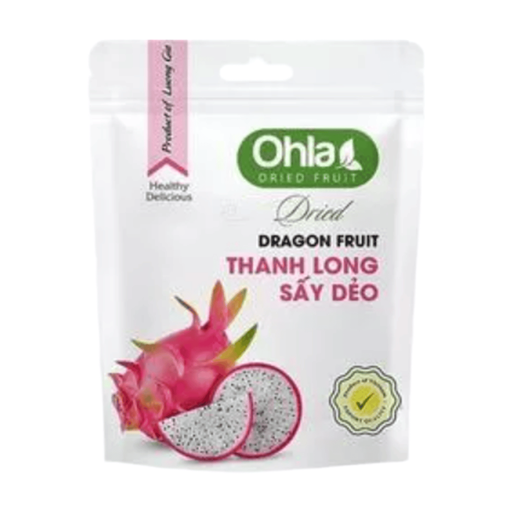
OHLA Dried Dragon Fruit 180g
Dried dragon fruit can be enjoyed as the fruit component of a meal or as a snack.
The pack contains 180 g. The product information includes a nutrition table, but doesn’t give a clear protein value for this product.
View at Joybuy
 No image available
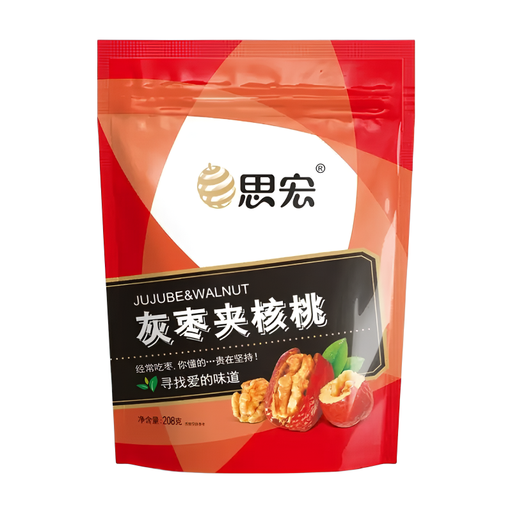
Sihong Gray Dates with Walnuts 208g
This combination is for anyone who wants to enjoy dates and nuts together; bear in mind that walnuts are an allergen.
The product information lists 3.4 g of protein per 100 g and names dates and walnuts as ingredients.
View at Joybuy
 No image available
OHLA Dried Guava 180g
Dried guava can be enjoyed as the fruit component of a meal or as a snack.
The product information lists 1.27 g of protein per 100 g. The ingredients include sugar and a preservative; check the pack for the exact ingredients.
View at Joybuy
 No image available
PHILIPPINE BRAND Dried Mango 100 g
Dried mango can be enjoyed as the fruit component alongside a separate protein source.
The nutrition table lists 2 g of protein per 100 g. The ingredients include sugar and sulphites; check the exact pack if you want to avoid these ingredients.
View at Joybuy
 No image available
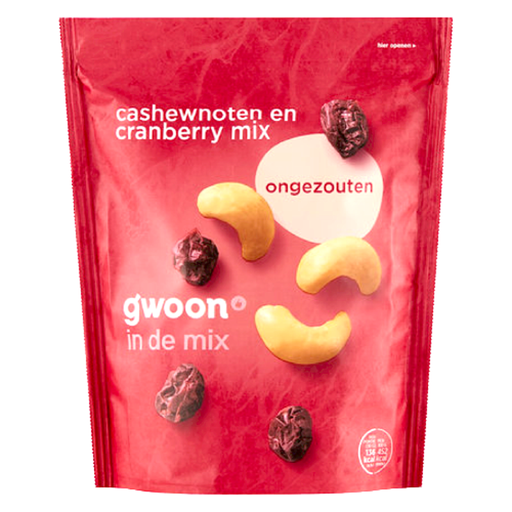
g’woon Cashew Nut Cranberry Mix 200g
This mix combines fruit and nuts; bear in mind that cashew nuts are an allergen.
The product information lists 10.9 g of protein per 100 g and sweetened cranberries.
View at Joybuy
Frequently asked questions
How do I assess the protein in my own portion?
Take the protein value per 100 g from the label of the exact product and multiply it by your portion weight divided by 100. Add the other components of your meal separately. The Netherlands Nutrition Centre gives an average of 0.4 g of protein per 9 g dried apricot; this isn’t the label value for every brand.
Do I need to buy special protein products because I exercise?
Not necessarily. The Netherlands Nutrition Centre lists everyday foods such as dairy, tofu, nuts and beans as ways for people who exercise to get protein. That doesn’t mean every meal you put together yourself will provide enough protein.
Can dried fruit be part of a savoury student dinner?
Yes. A recipe from PLUS uses raisins and apricots in chicken pilaf. This shows one way fruit can be used in a savoury meal, but doesn’t provide a verified budget or protein value per portion.
How should I store an opened pack of dried fruit?
Follow the storage advice on the pack of your chosen product. For dried mixed fruit, the Netherlands Nutrition Centre advises storing it in a cool, dry, dark place in a tightly sealed container. This isn’t a fixed storage period after opening for all types of dried fruit.
Where can I check allergens and ingredients?
Check the ingredients and allergen information on the pack of the exact product. According to the Netherlands Food and Consumer Product Safety Authority, allergen information must appear on the label of prepacked products. Which ingredients are relevant to you depends on your circumstances and the product’s ingredients.


