Who is this guide for?

Adding protein after exercise

You want your afternoon snack to contribute to your protein intake. Start with a source of protein, then add dried fruit as the fruit component. The Netherlands Nutrition Centre says that most people who exercise do not need special shakes or bars.

A simple, fruity afternoon snack

You’re mainly looking for a fruity snack, not a separate protein solution. In that case, check the ingredients and portion size; the Netherlands Nutrition Centre recommends eating no more than 20 grams of dried fruit a day.

A plant-based pairing

You want to pair dried fruit with something dairy-free. The Netherlands Nutrition Centre lists unsalted nuts as a possible plant-based source of protein. Check that the ingredients are suitable if you have any allergies.

What should you look for when choosing?

Dried fruit on its own

A good choice if: you’re mainly after a fruity snack and get your protein from other foods.

Bear in mind: dried fruit won’t necessarily provide a meaningful serving of protein; general nutritional values don’t automatically apply to a specific product.

With quark or yoghurt

A good choice if: you want to add protein and dairy suits your diet.

Bear in mind: the dairy contributes to the protein content; milk is also a relevant allergen.

With a plant-based source of protein

A good choice if: you want a plant-based snack; the Netherlands Nutrition Centre lists unsalted nuts as a possible source of protein.

Bear in mind: nuts and peanuts can be allergens. A fruit and nut mix also has a different composition from fruit on its own.

What to consider What should you check? Who is this important for?
Protein content Compare the nutritional information for the exact products per 100 grams and per serving you actually eat. If you’re combining products, assess the snack as a whole. If I want to add to my protein intake after exercise, I look at the contribution from the whole snack. Around 42% of consumers prioritise protein content.
Ingredients and portion size Read the ingredients and decide on your portion. The Netherlands Nutrition Centre recommends eating no more than 20 grams of dried fruit a day; this is nutritional guidance, not a legal purchase limit. When I want to choose a fruity snack that fits within my daily portion, I check the ingredients and amount. Around 25% of consumers put these factors first.
Dietary suitability and allergens Check the ingredients and allergen information for every product in the combination. Don’t assume that all fruit mixes have the same composition. If I want a plant-based combination or need to account for an allergy, I check the ingredients of each product. Around 17% of consumers prioritise suitability and allergens.
Packaging and storage Compare the pack size with how much you use and follow the storage instructions on the packaging. The Netherlands Nutrition Centre recommends storing dried mixed fruit in a cool, dry, dark place in a tightly sealed container. A snack is more practical for me if it’s easy to portion and store. Around 16% of consumers prioritise convenience and storage.

Common pitfalls

  • Assuming more protein per 100 grams makes a snack high in protein

    A comparison per 100 grams doesn’t tell you how much protein you’ll actually get in your portion. General nutritional values for fruit also don’t verify the nutritional content of a specific supermarket product.

    Check the nutritional information for the exact product and assess the whole portion. Add a separate source of protein if needed.

  • Having a larger portion of fruit to get more protein

    A larger portion provides more of all the nutrients present, but it isn’t a targeted way to increase your protein intake alone. The Netherlands Nutrition Centre recommends eating no more than 20 grams of dried fruit a day.

    Portion out the fruit and add a suitable source of protein if you want to increase your protein intake.

  • Treating a fruit mix as if it were fruit on its own

    Nuts, dairy or other ingredients change the composition and may introduce allergens.

    Check the ingredients and allergen information for every product in the combination, especially if you have a food allergy.

Brands to consider

Albert Heijn

Albert Heijn’s category page features both dried fruit and fruit and nut combinations, including a mix with raisins, pineapple, mango and almonds.

  • You can compare fruit on its own and mixes as products with different compositions.
  • Appearing in the same category doesn’t mean products have the same protein content or meet the criteria for a protein claim.

Jumbo

Jumbo’s category page lists a range of dried fruit, including apricots, raisins, prunes and dates.

  • You can choose based on the type of fruit and pack size.
  • You shouldn’t treat regular and soaked apricots as nutritionally identical without checking their individual nutritional information.

Lidl

Lidl’s Alesto range includes dried fruit and nuts, such as dried mango strips, almonds and walnuts.

  • The range offers options for pairing fruit and nuts.
  • A product’s positioning for use at home, at work or on the go doesn’t prove that a fruit product is high in protein.

Aldi

ALDI’s product page features Trader Joe’s raisins in a 500-gram pack.

  • The pack size is listed, which can help you plan several snack occasions.
  • A 500-gram pack isn’t a snack portion; decide separately how much you eat.

Plus

PLUS lists dried apricots in a 375-gram stand-up pouch.

  • The product page gives the product name and pack size.
  • Check the packaging for the latest ingredients, nutritional information and allergen details.

Dirk

Dirk’s category page includes dried fruit and nuts, such as apricots, figs and dates.

  • Individual fruit and nut products give you the option to make your own combination.
  • A category containing fruit and nuts doesn’t in itself tell you how much protein a specific snack provides.

Joybuy products

These Joybuy products include dried fruit on its own and combinations with nuts, to use as the fruit component of an afternoon snack. Assess the nutritional information and ingredients for your chosen snack as a whole; a product name or individual nutritional value alone doesn’t substantiate a ‘high in protein’ claim.
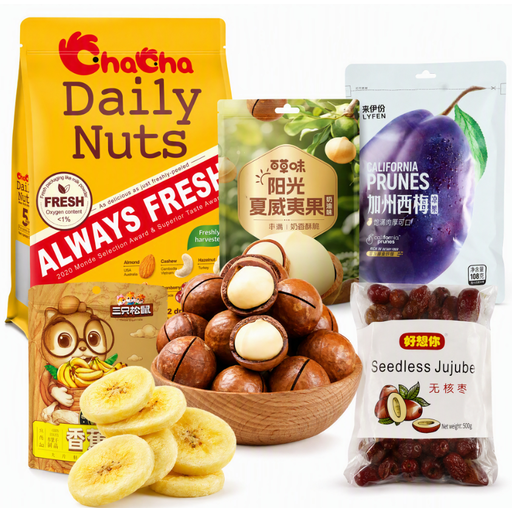
Full of fruit flavor nuts and dried fruit sharing pack, 5-pack, 1.073 kg

Full of Fruit Flavor Nuts and Dried Fruit Sharing Pack, 5-pack, 1.073 kg

A fruit and nut combination that’s a good fit if you’re looking for a plant-based component in your snack; this doesn’t confirm a protein claim.

The pack contains five individual snack products, including prunes, dates and nuts. It contains several tree nuts; check the allergen information on each pack. The California prunes contain aspartame, a source of phenylalanine.

View at Joybuy
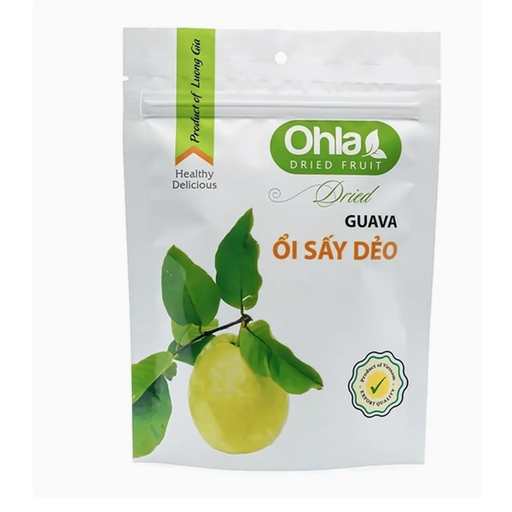
OHLA dried guava, 180 g

OHLA dried guava, 180 g

A good fit as the fruit component of a simple afternoon snack or alongside a separate source of protein.

The product description states that it contains 95% guava. The ingredients also include sugar and a preservative; check the packaging for the full ingredients and nutritional information.

View at Joybuy
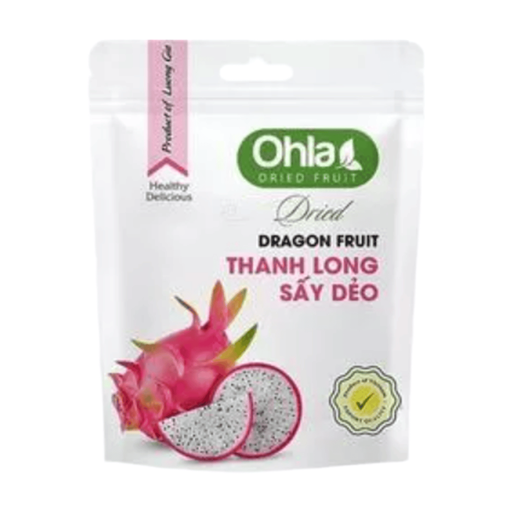
OHLA dried dragon fruit, 180 g

OHLA dried dragon fruit, 180 g

A good fit as the fruit component when you’re mainly looking for a fruity snack; add a separate source of protein if you wish.

The product description recommends storing it in a cool, dry place and sealing the pack tightly after opening.

View at Joybuy
Philippine Brand dried mango, 100 g

PHILIPPINE BRAND dried mango, 100 g

A good fit as a fruity snack on the go or as the fruit component alongside a separate source of protein.

The ingredients list 75% mango. The nutritional information states 2 g of protein per 100 g; this figure alone doesn’t substantiate a ‘high in protein’ claim. The product contains sulphites (E223).

View at Joybuy
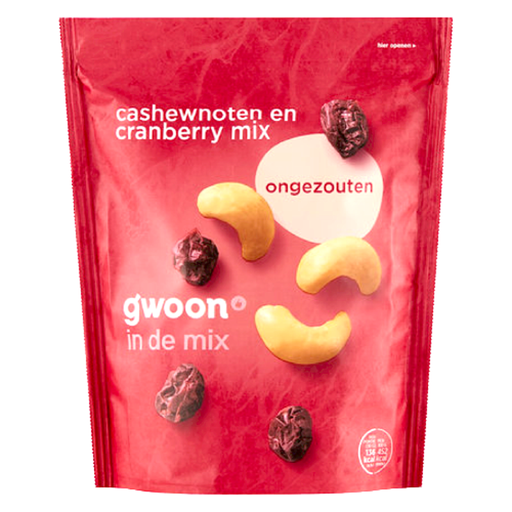
g’woon Cashew Nut Cranberry Mix, 200 g

g'woon Cashew Nut Cranberry Mix, 200 g

A good fit as a combination of dried fruit and a plant-based source of protein; assess the nutritional information for the whole portion.

The product description states that it contains 50% cashews and 50% dried cranberries, with 10,9 g of protein per 100 g. The cranberries are sweetened. Contains cashews and may contain traces of peanuts and other nuts; this nutritional value alone doesn’t substantiate a ‘high in protein’ claim.

View at Joybuy

Frequently asked questions

Do I need extra protein with my afternoon snack after exercise?

Not necessarily. The Netherlands Nutrition Centre recommends looking at your overall diet first and says that most people who exercise don’t need special protein shakes or bars. If you want to add protein, assess the contribution from your whole snack and the portion you eat.

Can any dried fruit product be called ‘high in protein’?

No. A product name or a mention of protein isn’t enough on its own. The Netherlands Food and Consumer Product Safety Authority and the European Commission state that nutrition claims must comply with the relevant European rules and the conditions for an authorised claim.

Is a fruit and nut mix automatically a high-protein snack?

No. The name of a mix doesn’t prove how much protein your portion provides. The Netherlands Nutrition Centre lists unsalted nuts as a possible plant-based source of protein; compare the nutritional information and ingredients of the exact mix, as well as the amount you eat.

Where can I check the allergens in pre-packed dried fruit?

Check the allergen information on the packaging of each pre-packed product. The Netherlands Food and Consumer Product Safety Authority says this information must appear on the label; for combinations, also check the added ingredients and allergens in each individual component.

How should I store dried fruit after opening?

Follow the instructions on the packaging for the specific product. The Netherlands Nutrition Centre recommends storing dried mixed fruit in a cool, dry, dark place in a tightly sealed container; don’t automatically apply this product-specific storage advice to a prepared snack with other ingredients.
